The travel bug keeps hitting me, so I looked for a new destination to visit and escape the cold in Europe. I decided that it was time for me to visit the pearl of the Indian ocean, Sri Lanka. This small, but diverse island was going to be my destination for the next 3 weeks, and I could have easily spent more time. Being very close to India, Sri Lanka has a lot in common with the southern provinces, which is reflected in the (spicy) food, the religion and spirituality, culture and tea cultivation. But where India can be overwhelming at times and is extremely crowded, Sri Lanka has a more relaxed vibe to it and it is very easy to travel through by yourself.
The infrastructure is good, most people speak good English and the people are so friendly. Depending on the time of your visit and the corresponding monsoon season, you can either explore the island clockwise or counterclockwise. I decided to start clockwise and head south. Make sure to check the best time to visit Sri Lanka, as you don’t want to visit during the rainy season, as many of the park roads turn into mud rivers. I went in March and had great weather, but did encounter the occasional downpour of rain.
Sri Lanka’s south coast – Palm trees and pristine beaches
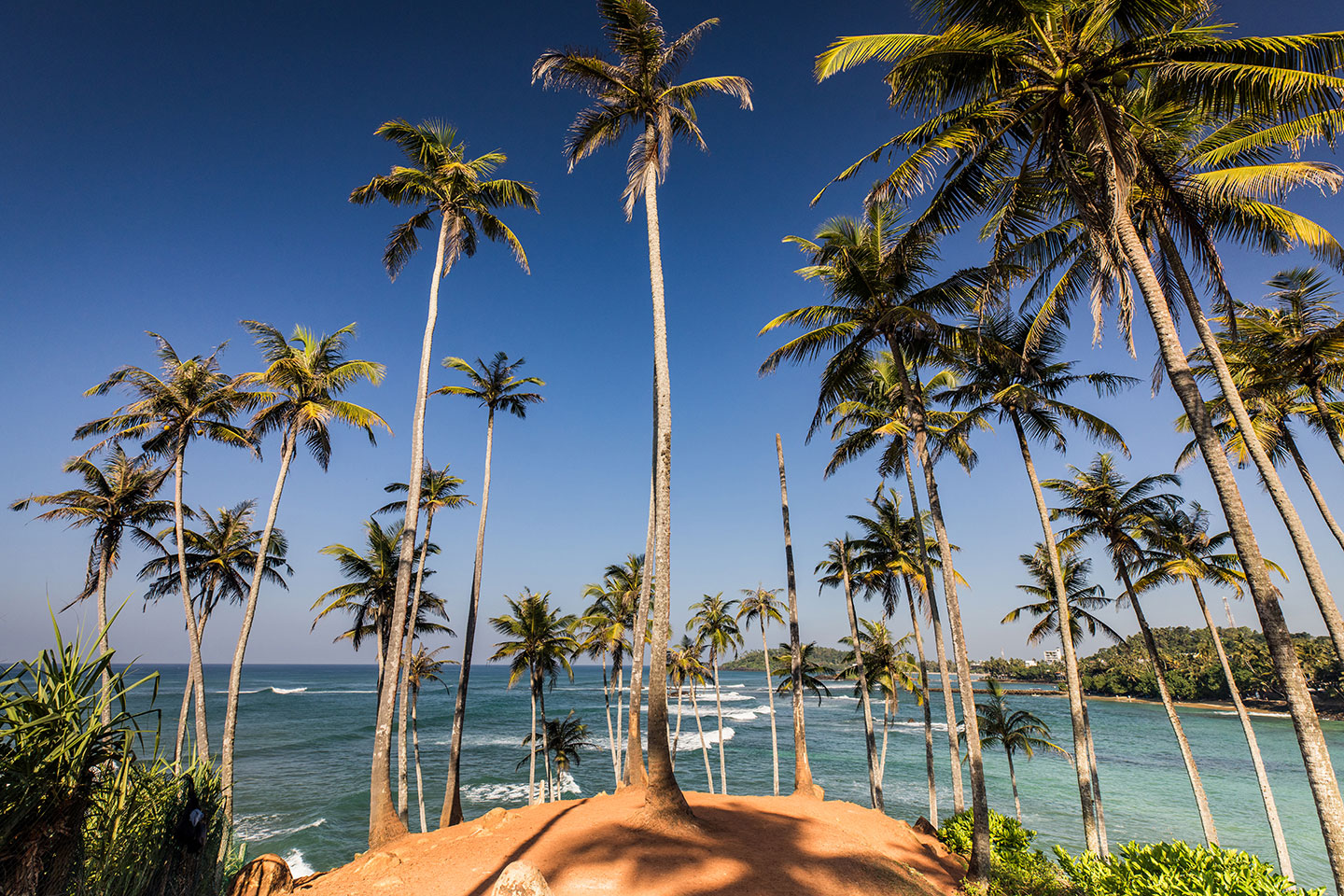
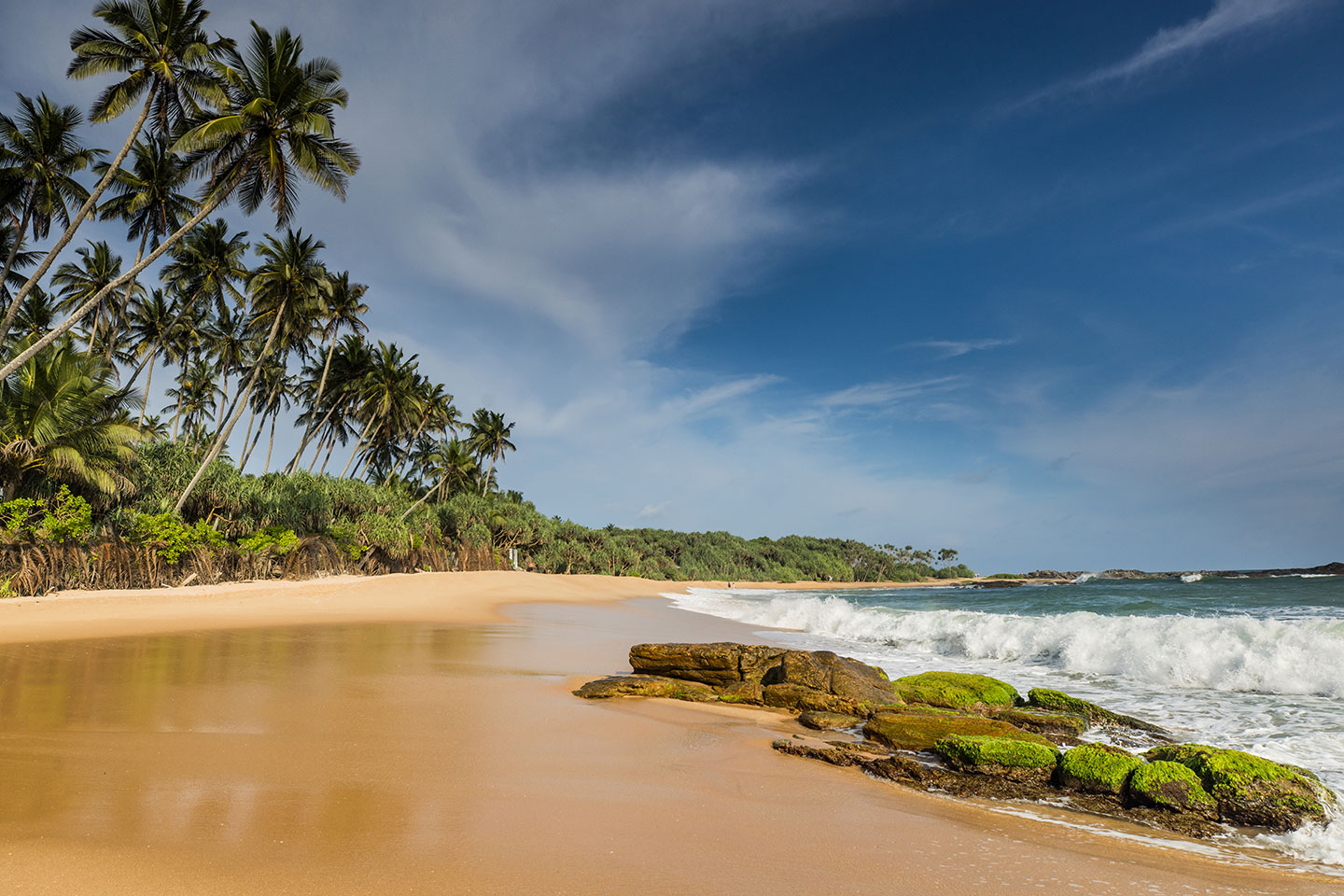
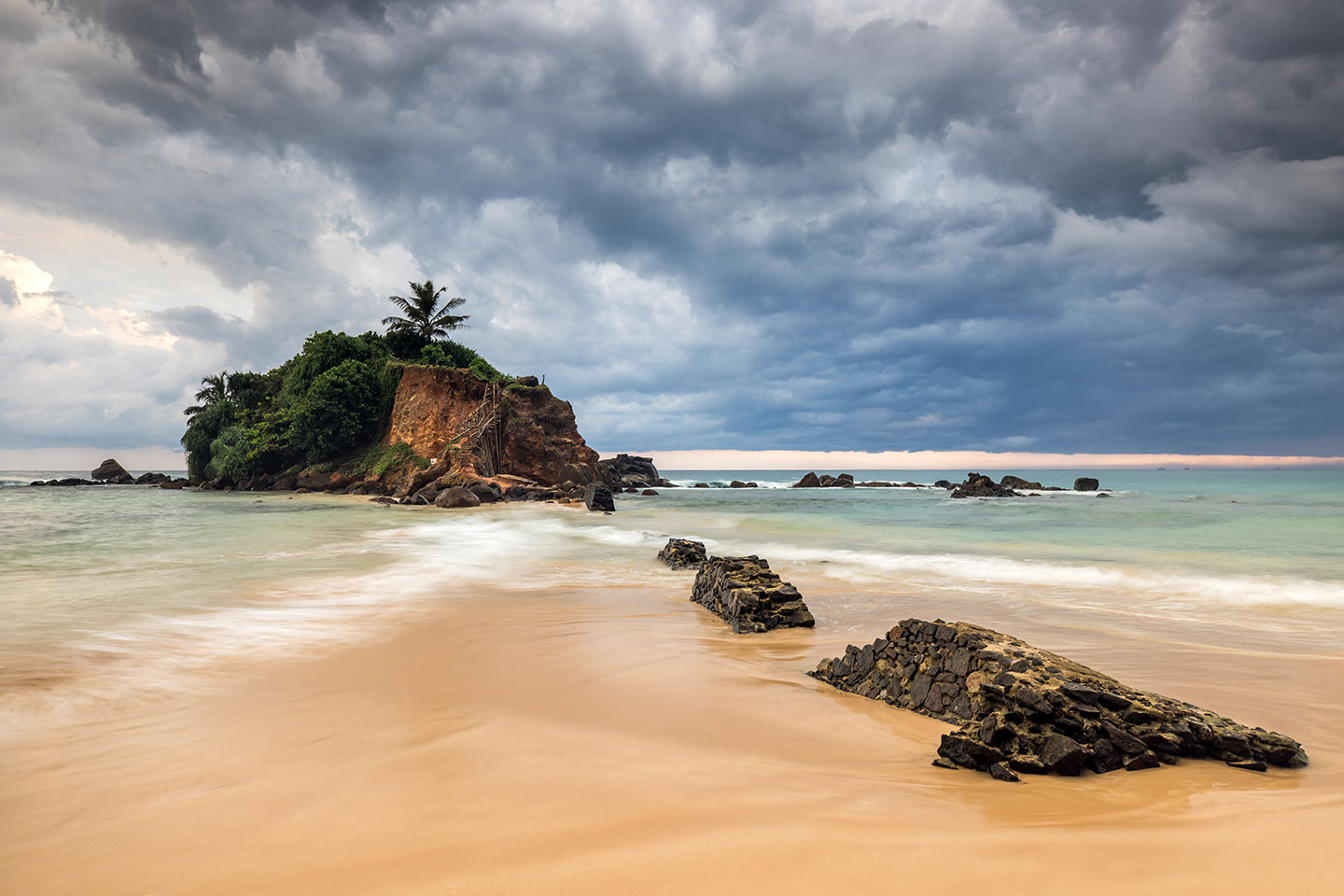
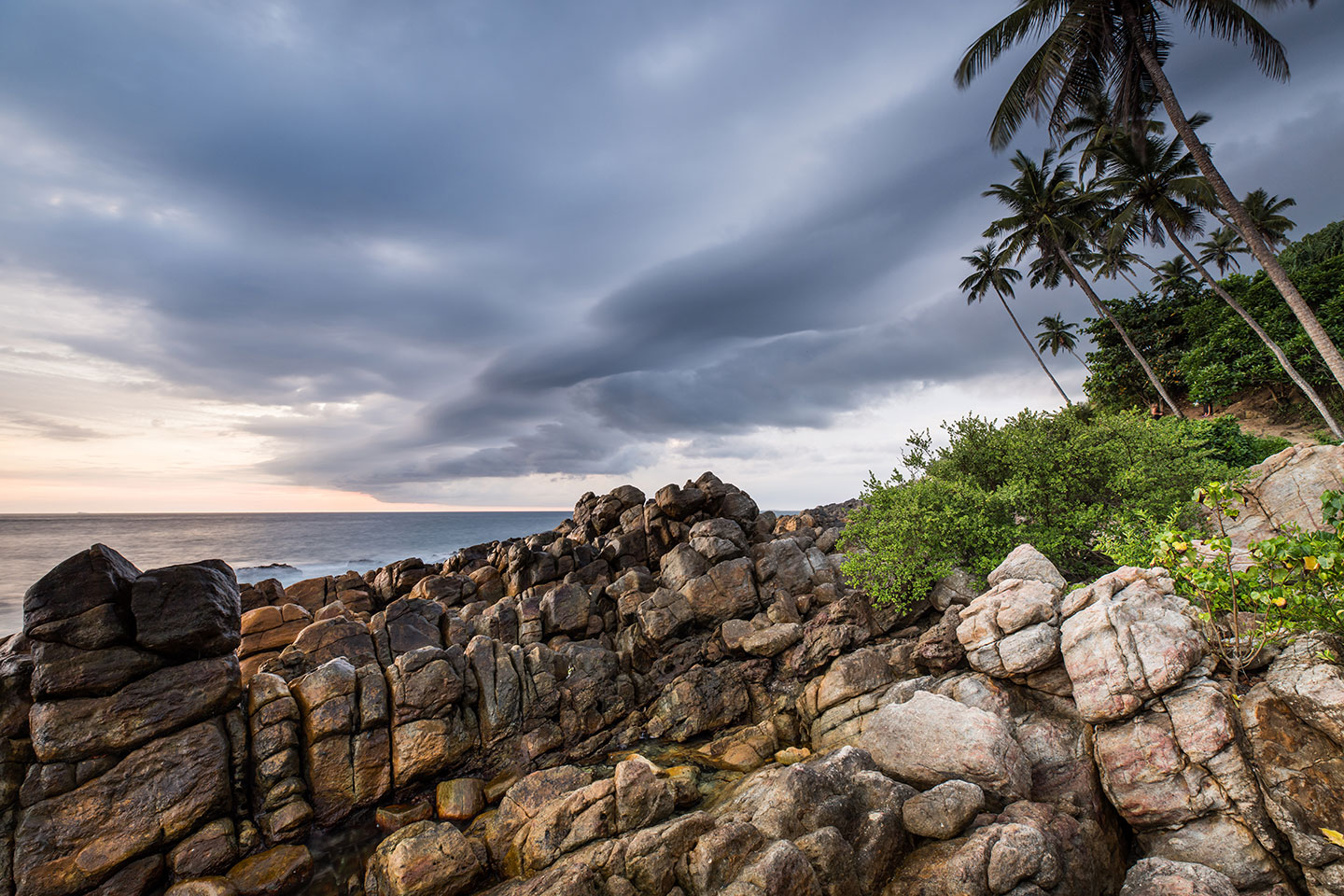
The southern coast of Sri Lanka is packed with stunning pristine beaches and historic villages. Endless palm trees along the coast, little hidden bays and rocks coming out of the water make up the scenery in this part of the island. This was the perfect way to acclimate and settle down for the first couple of days. It’s also one of the most visited parts of the island, so you will not be the only one in many places such as Mirissa and Galle. But further down the coast, the little town of Tangalle is yet to be discovered by the crowds. Tangalle is also close to some of the many wildlife parks that Sri Lanka is home to.
For an exact location where the photo was taken, you can save the photo or hover over it.
Bundala and Yala National Park
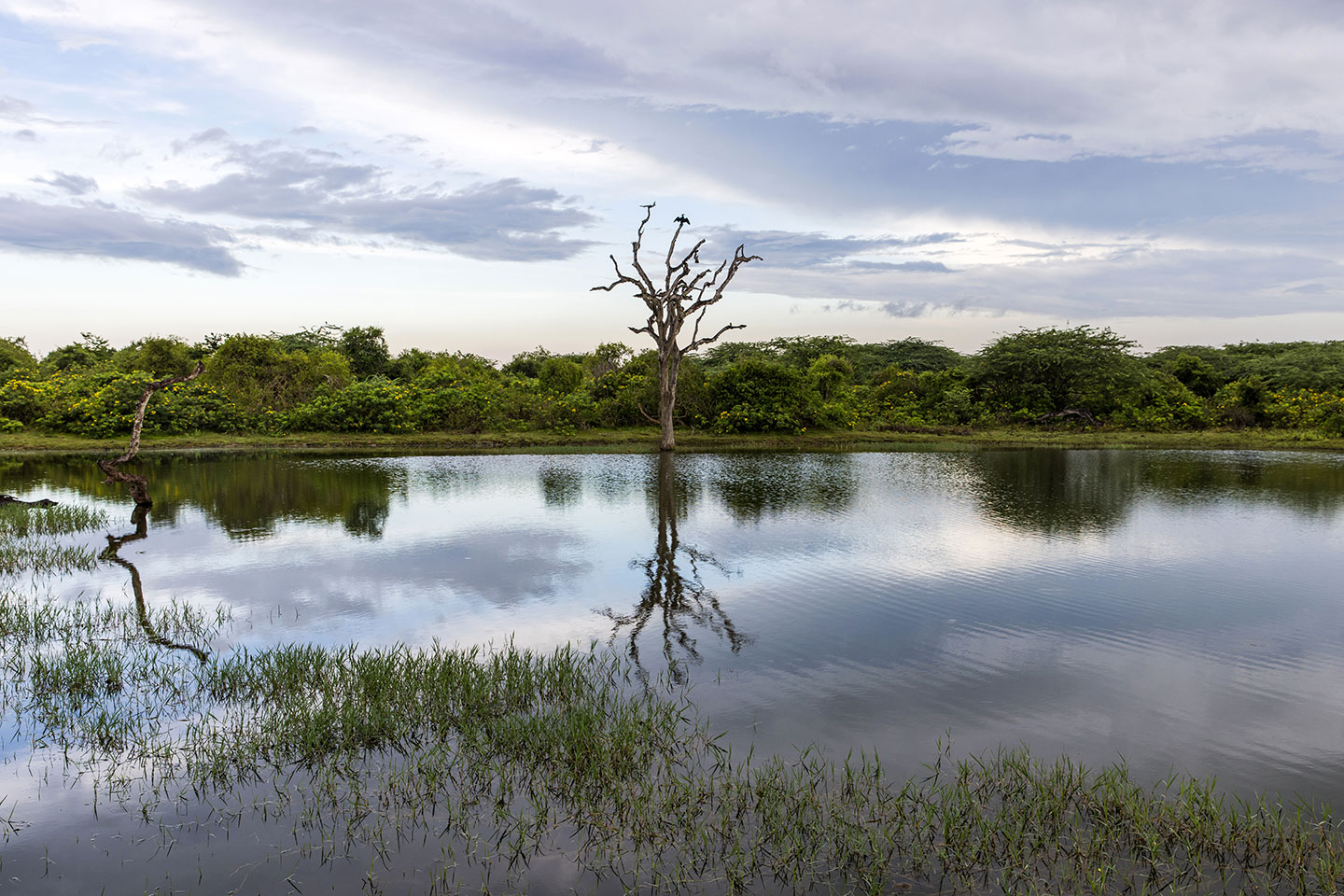
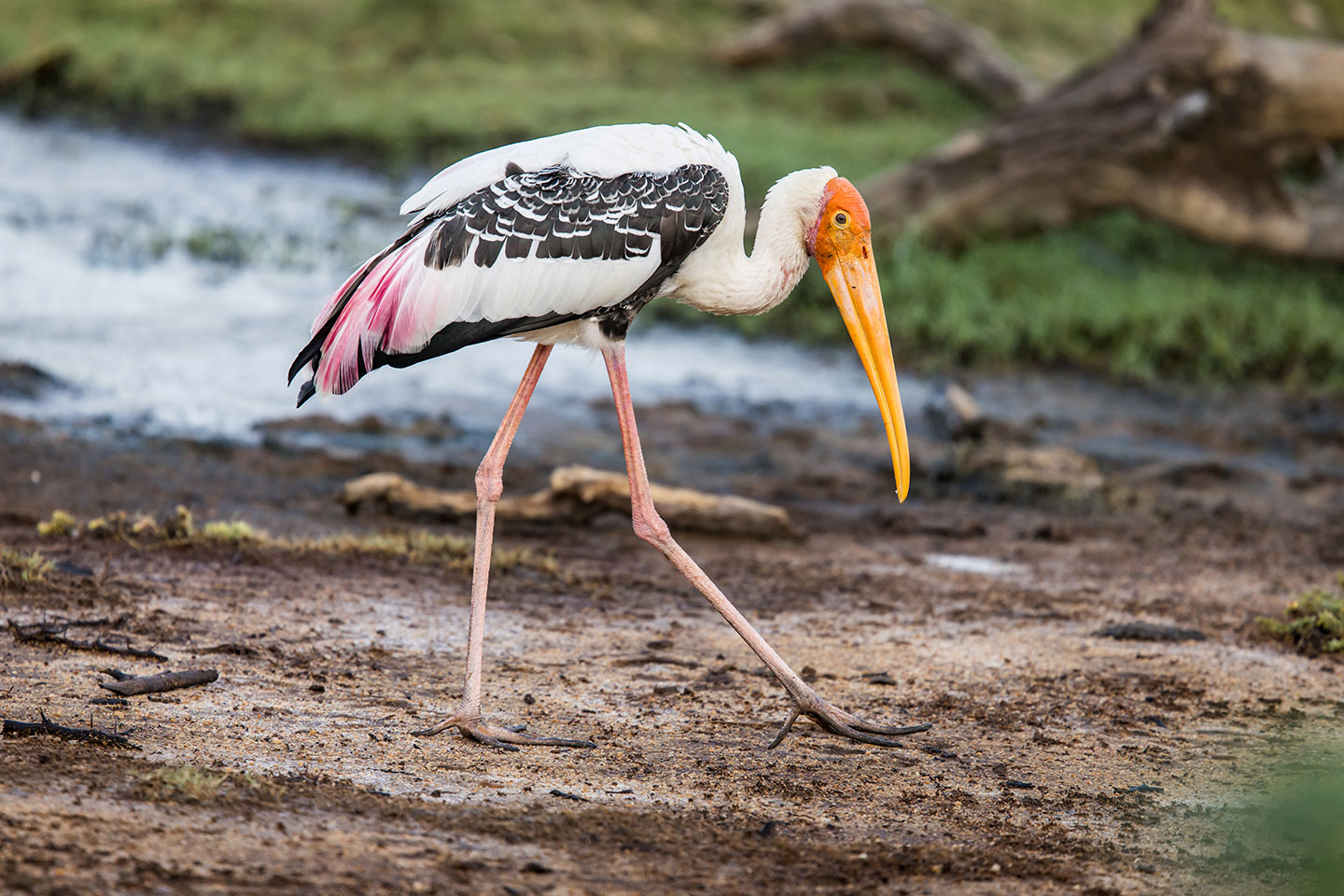
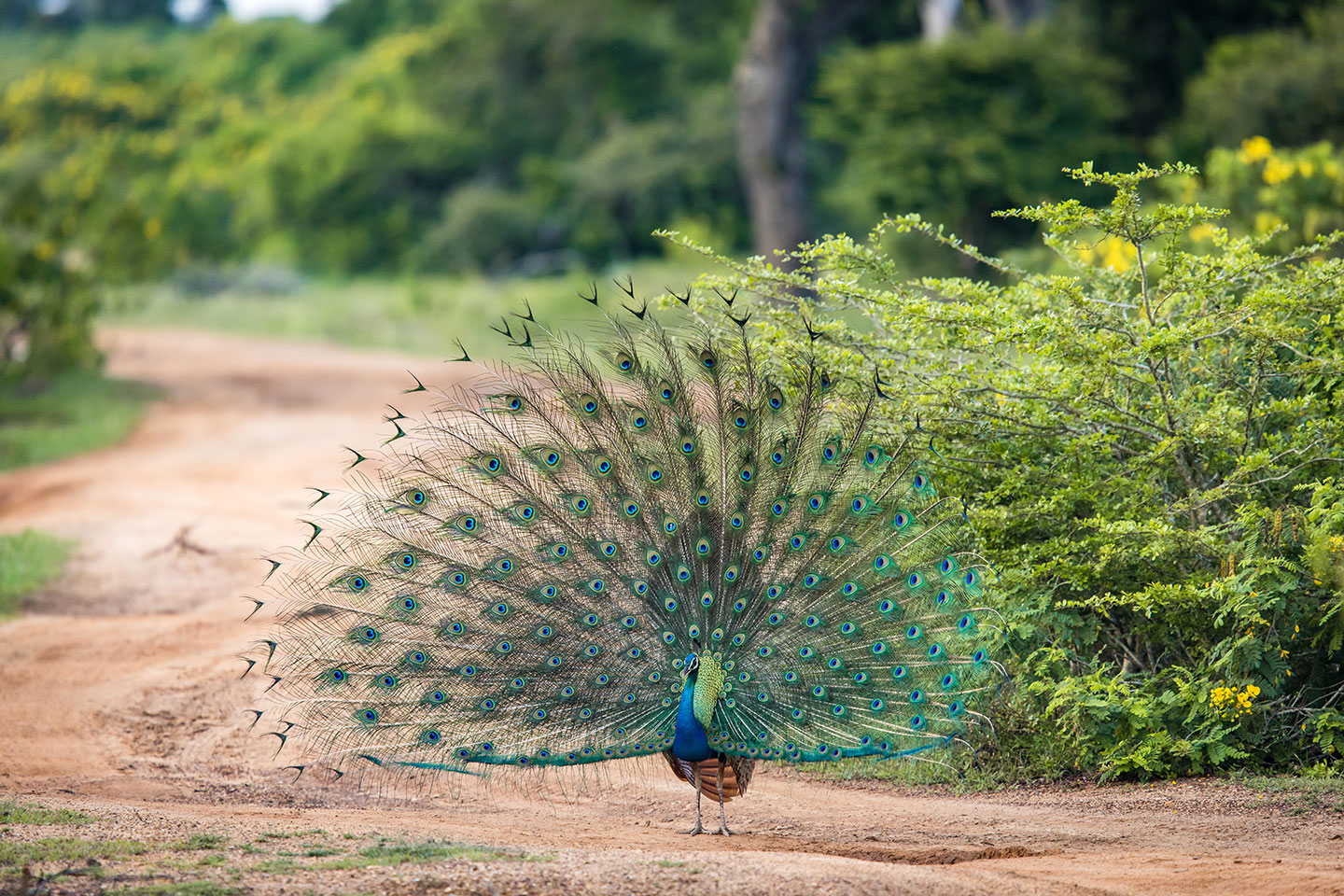
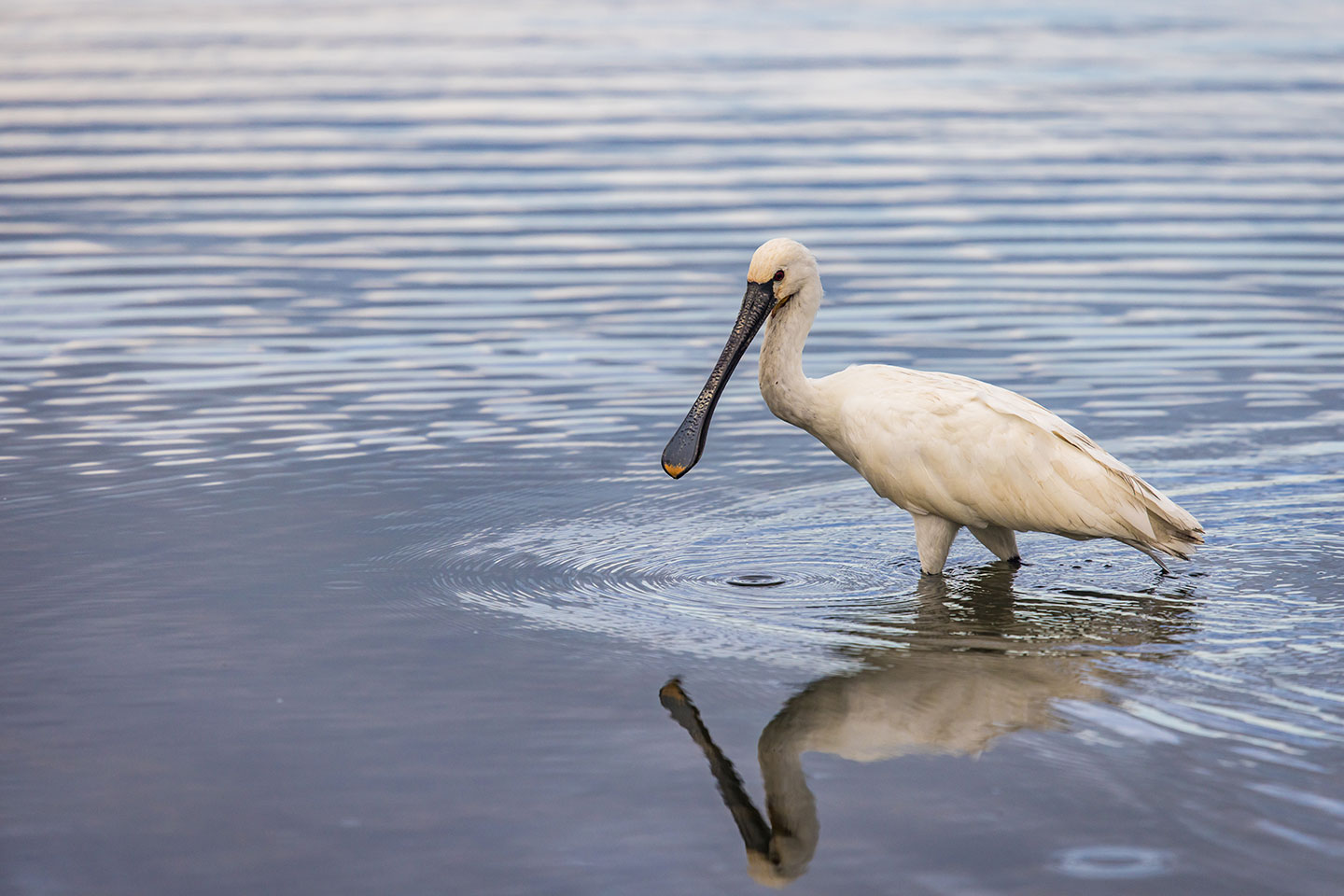
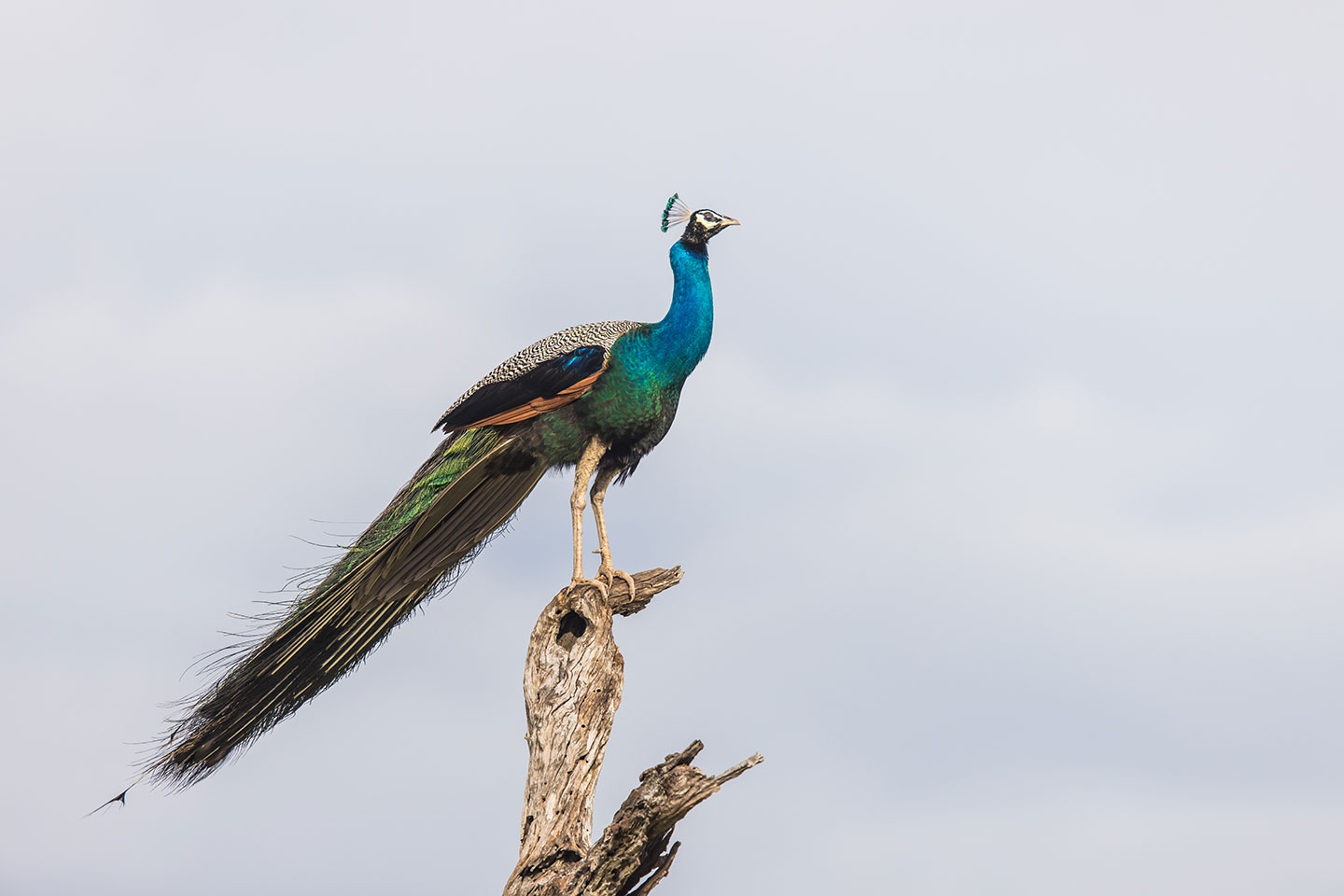
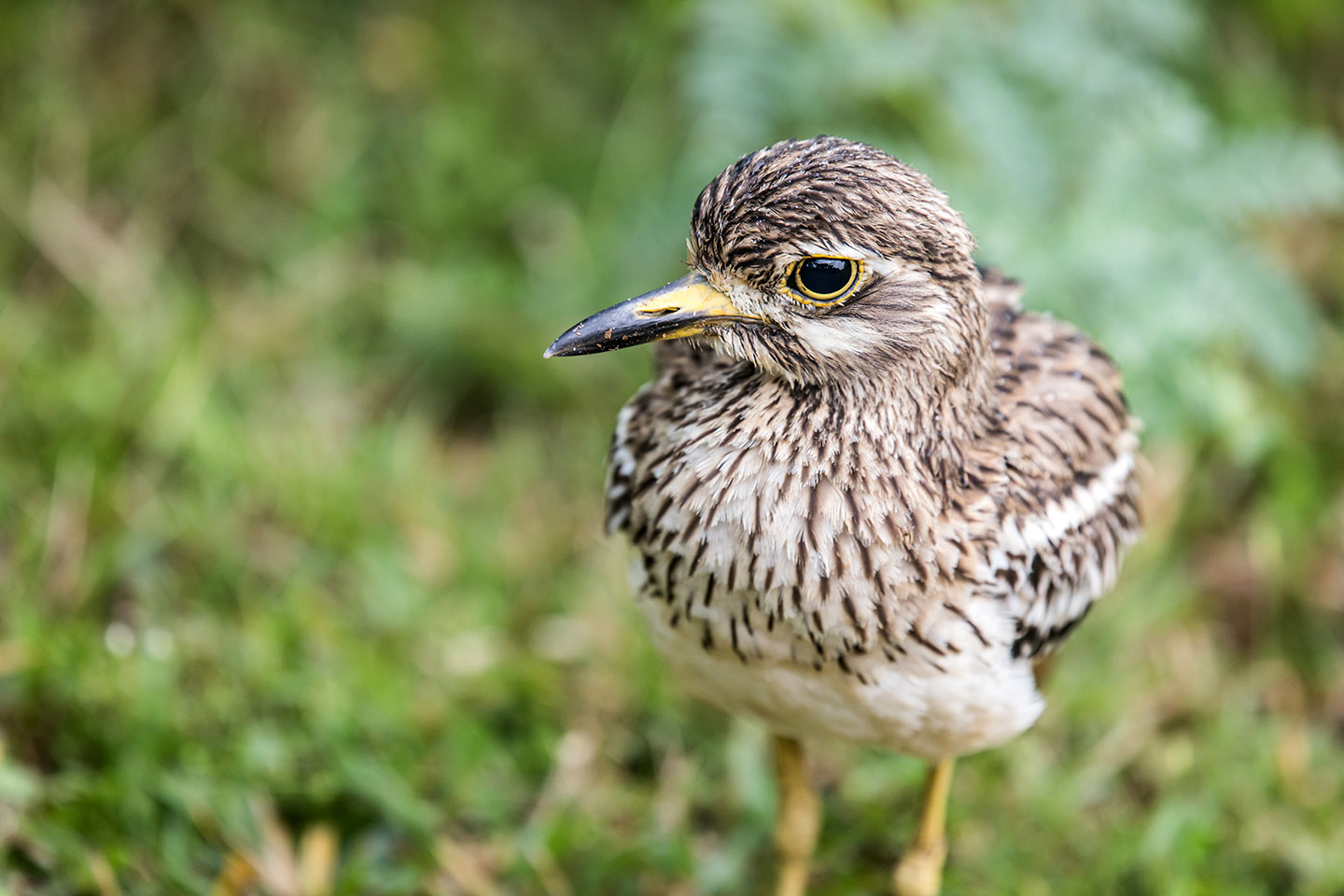
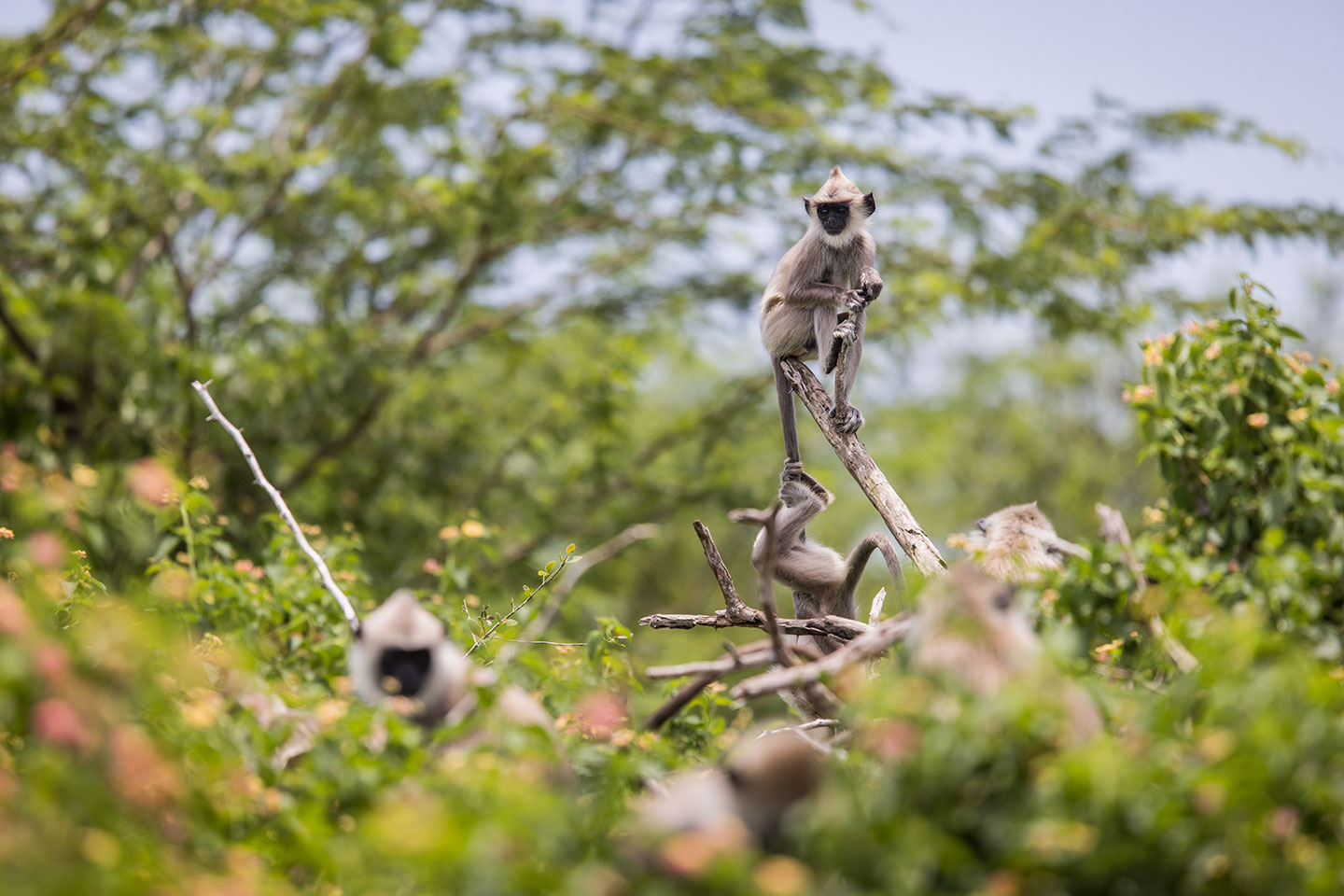
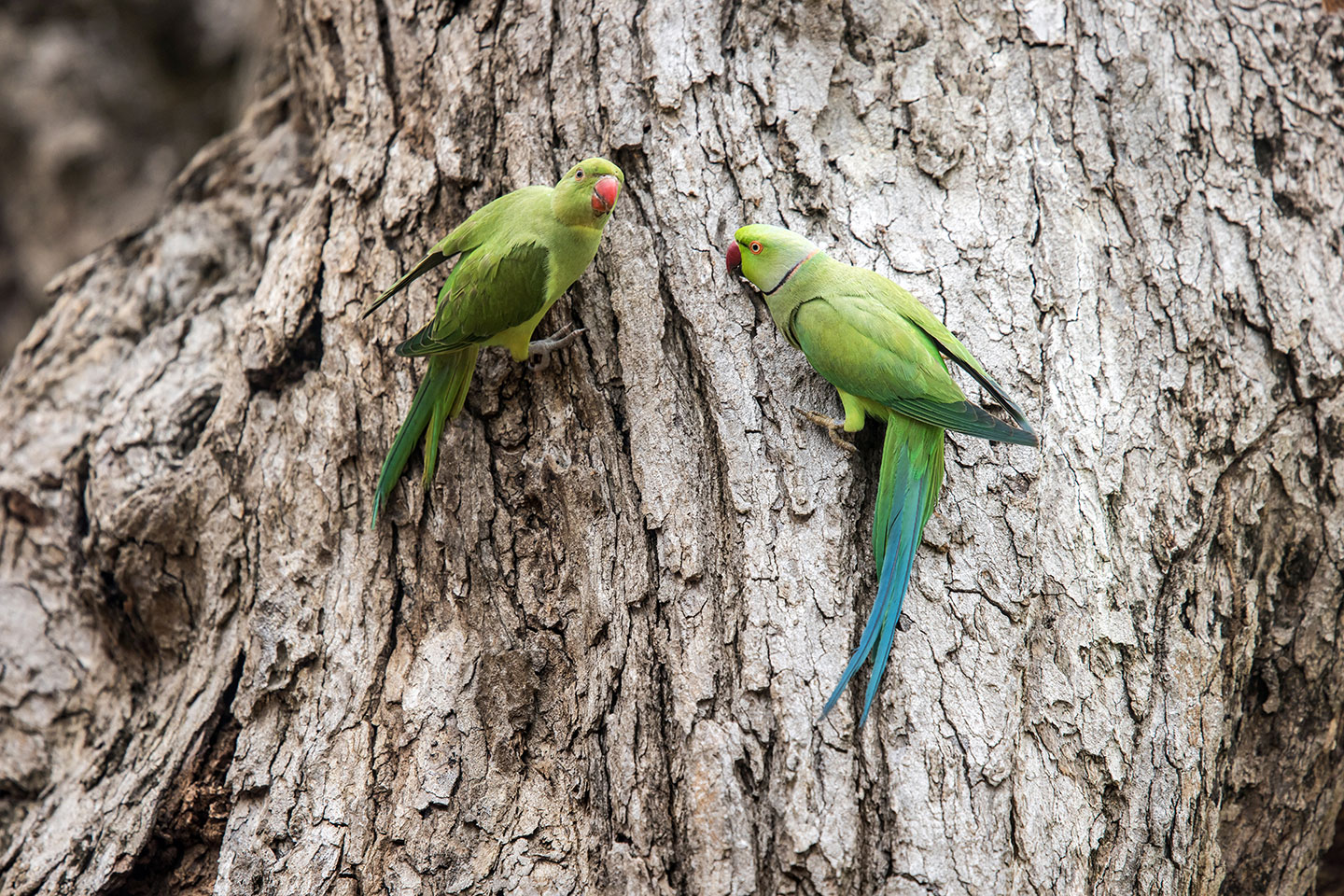
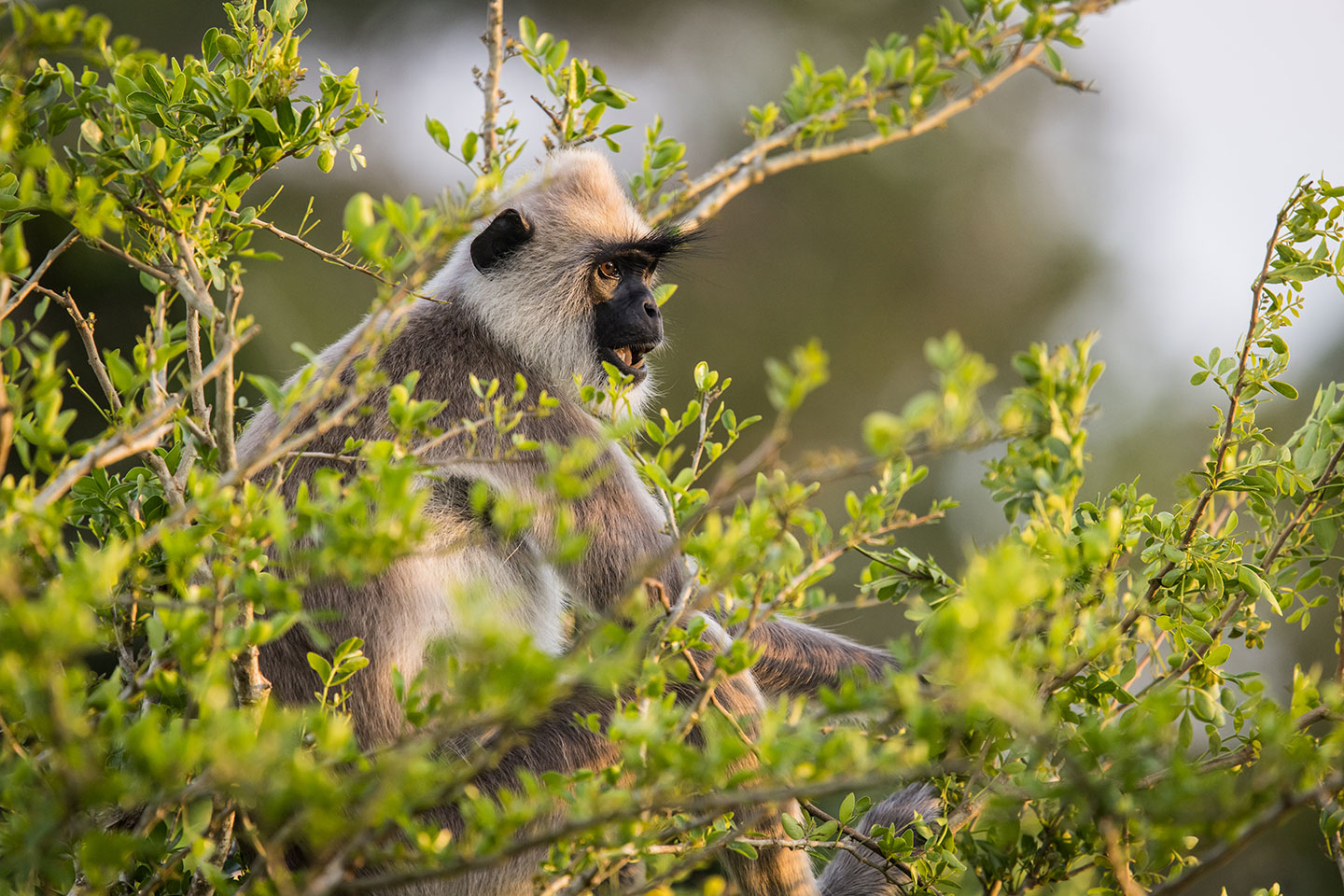
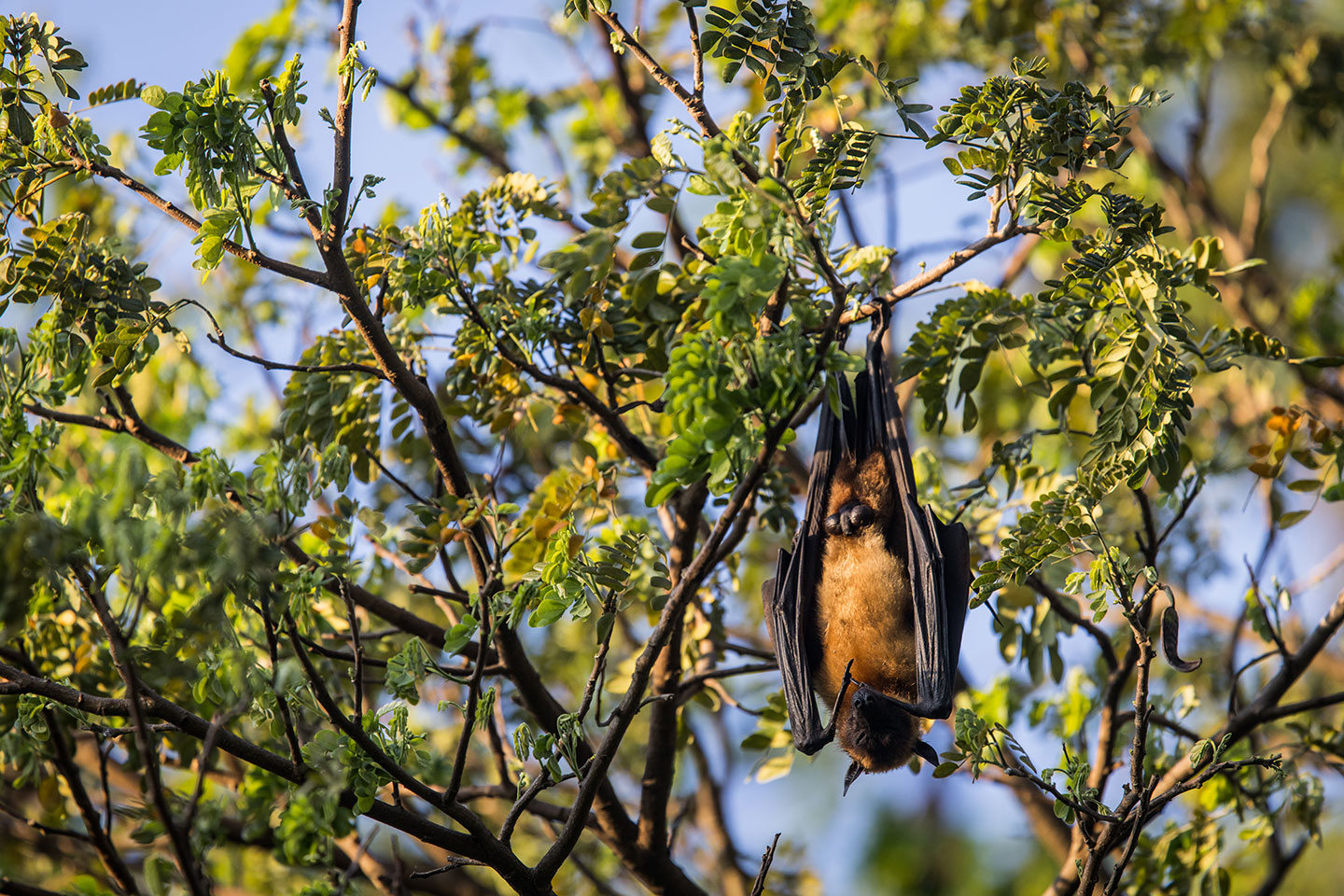
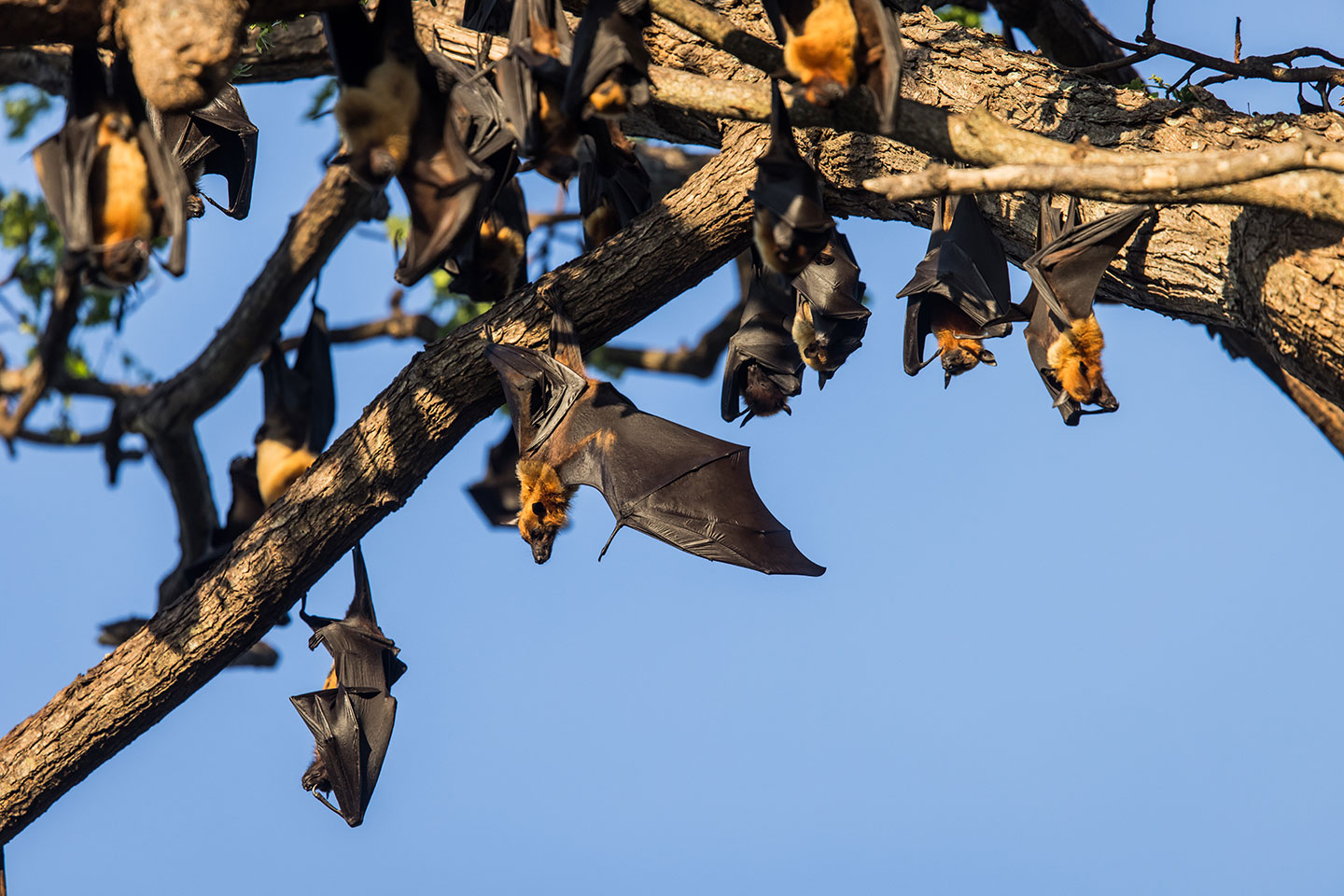
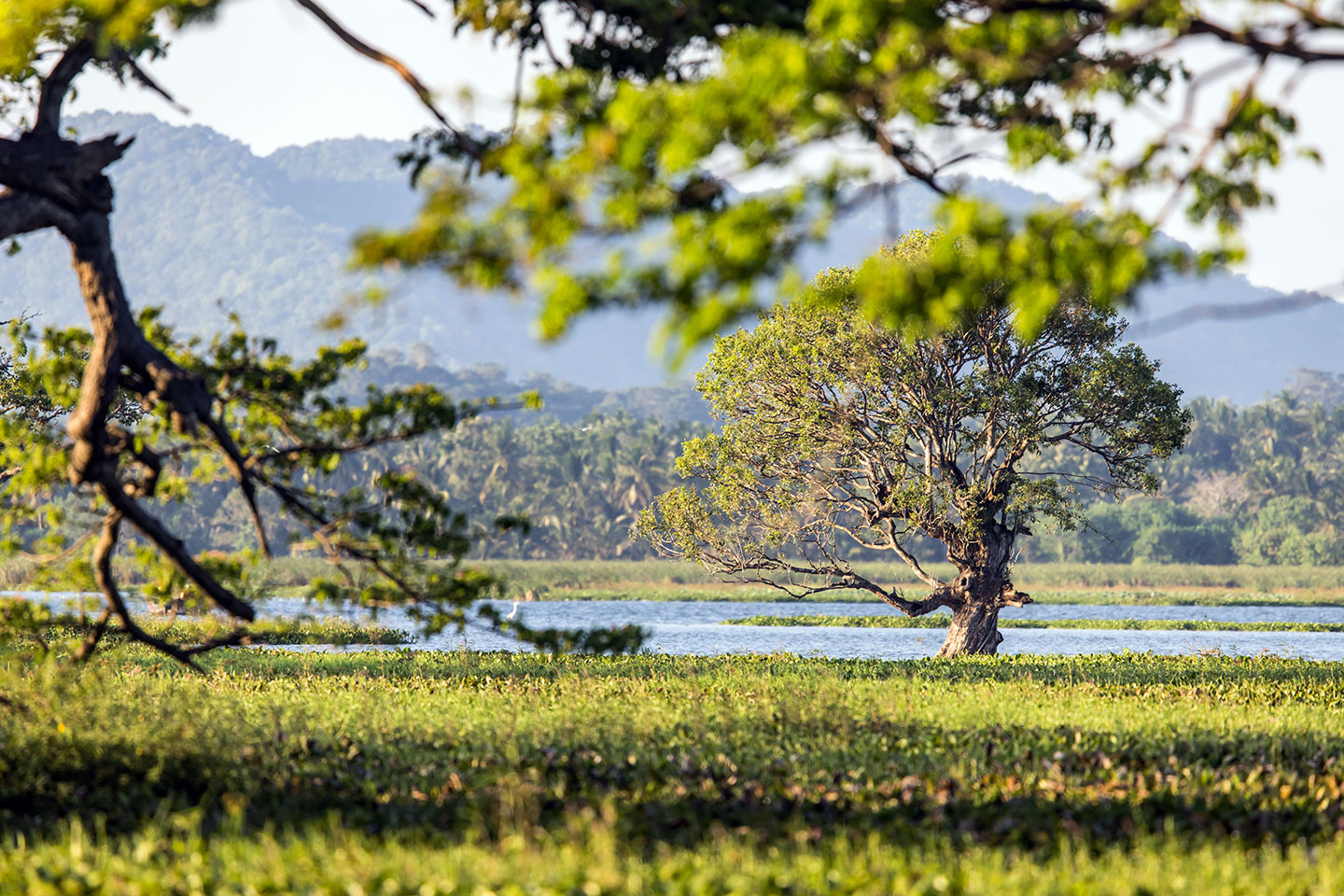
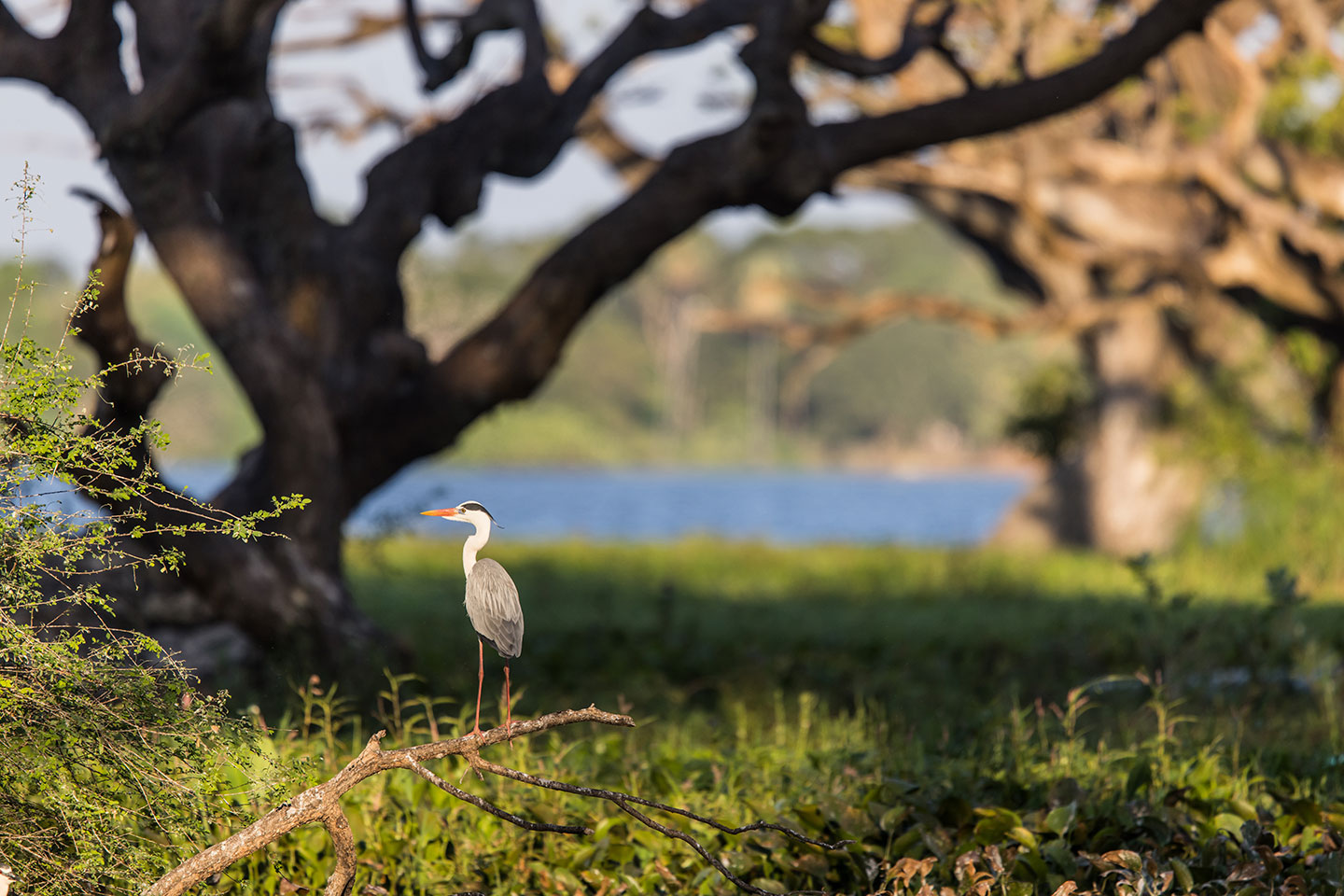
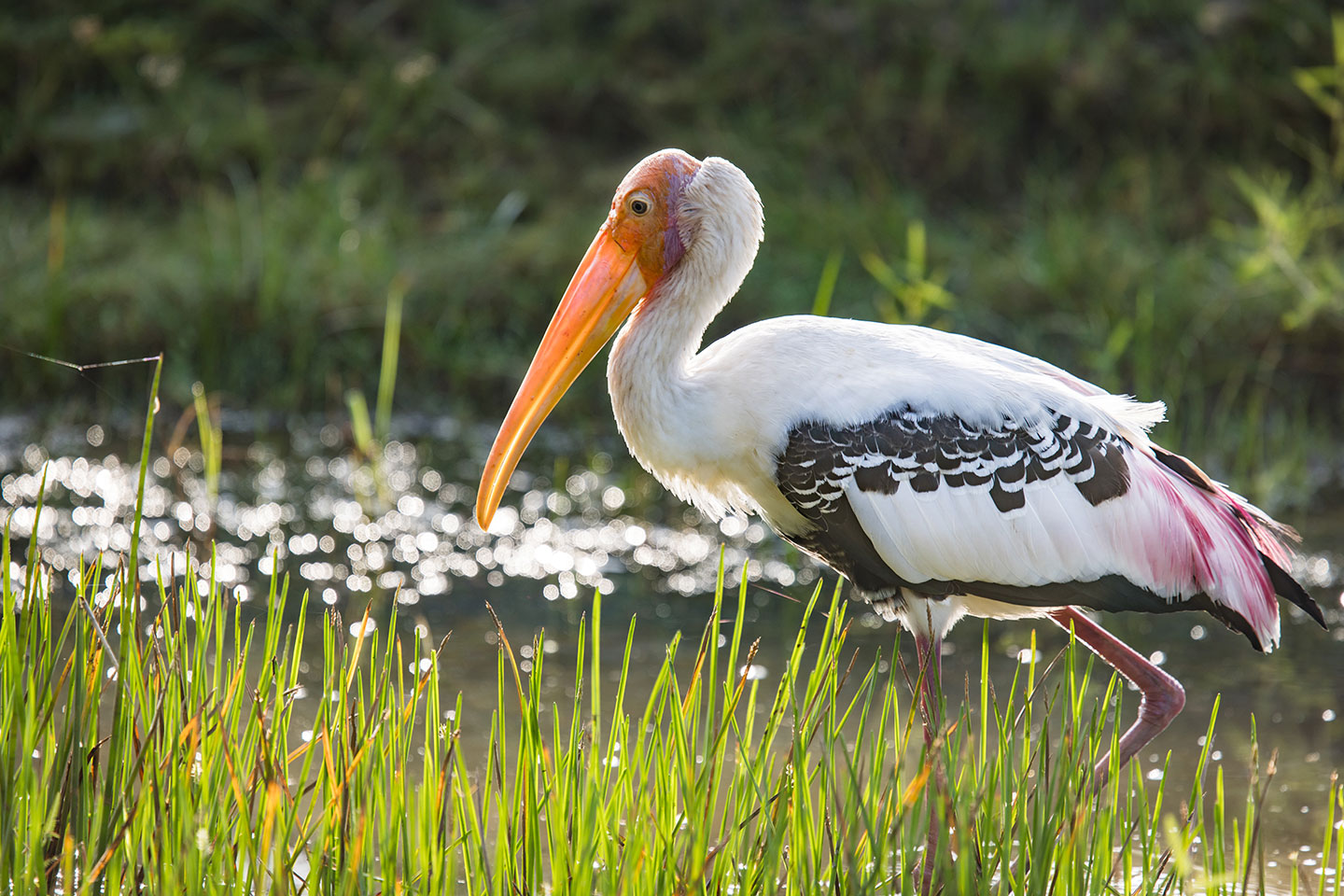
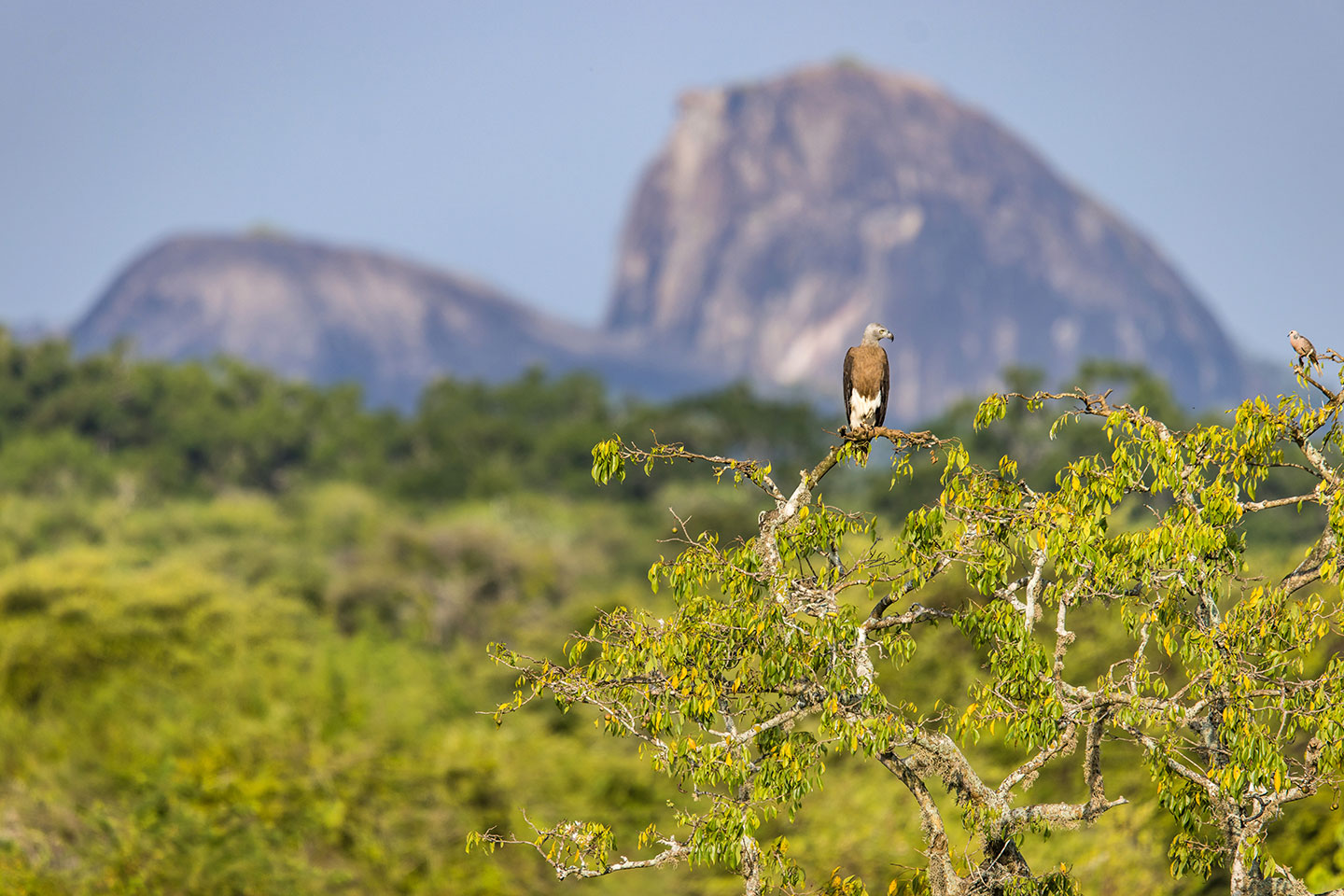
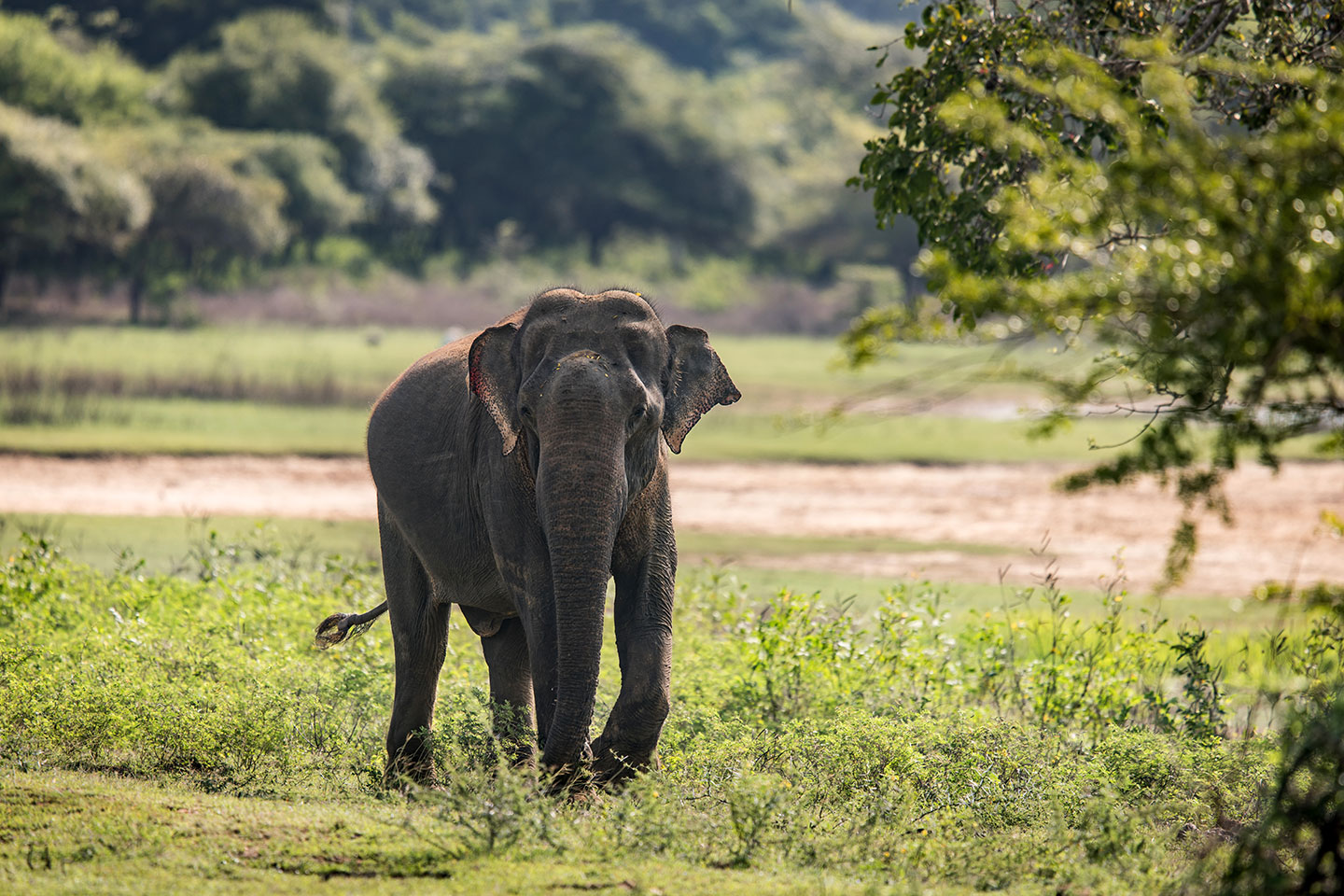
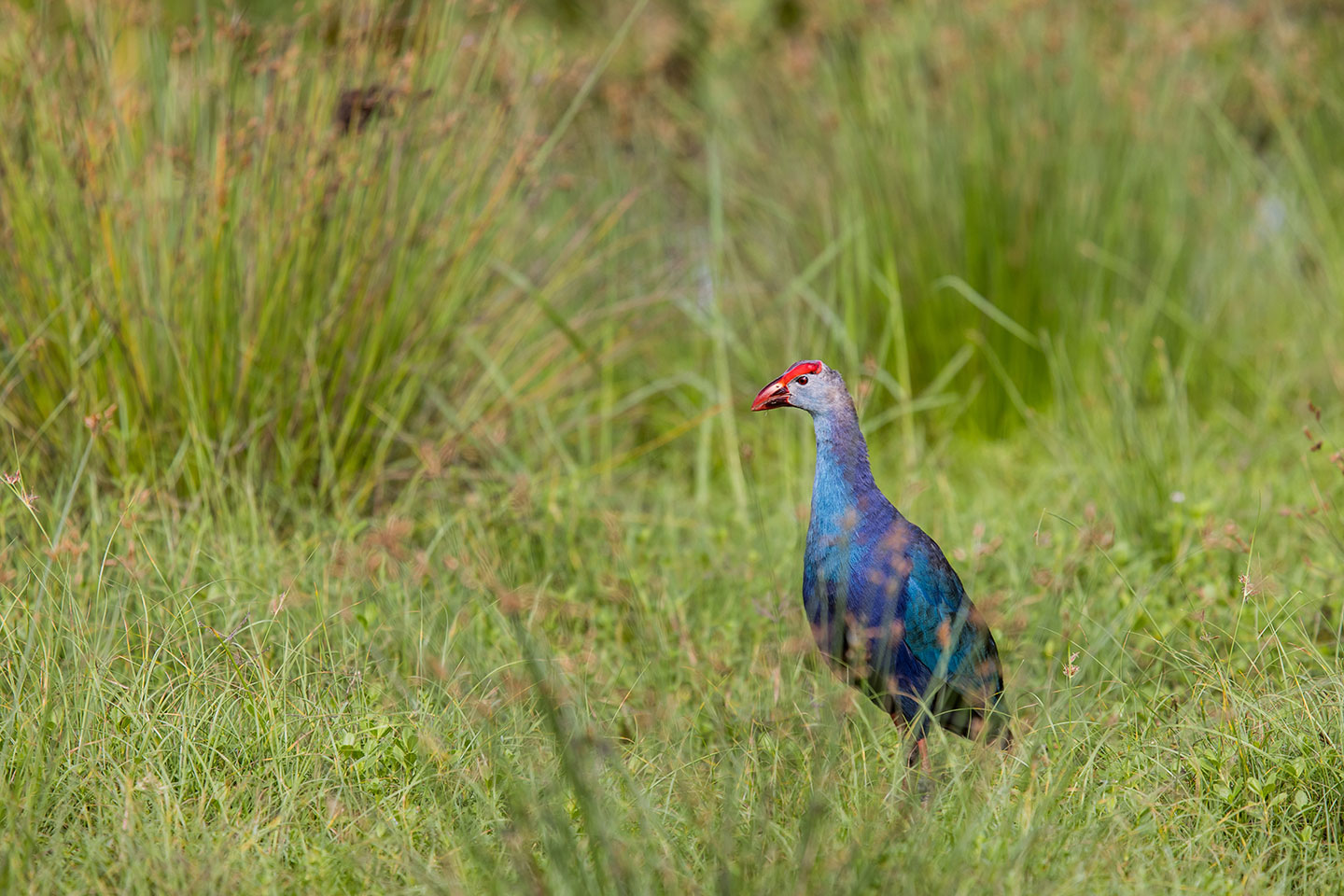
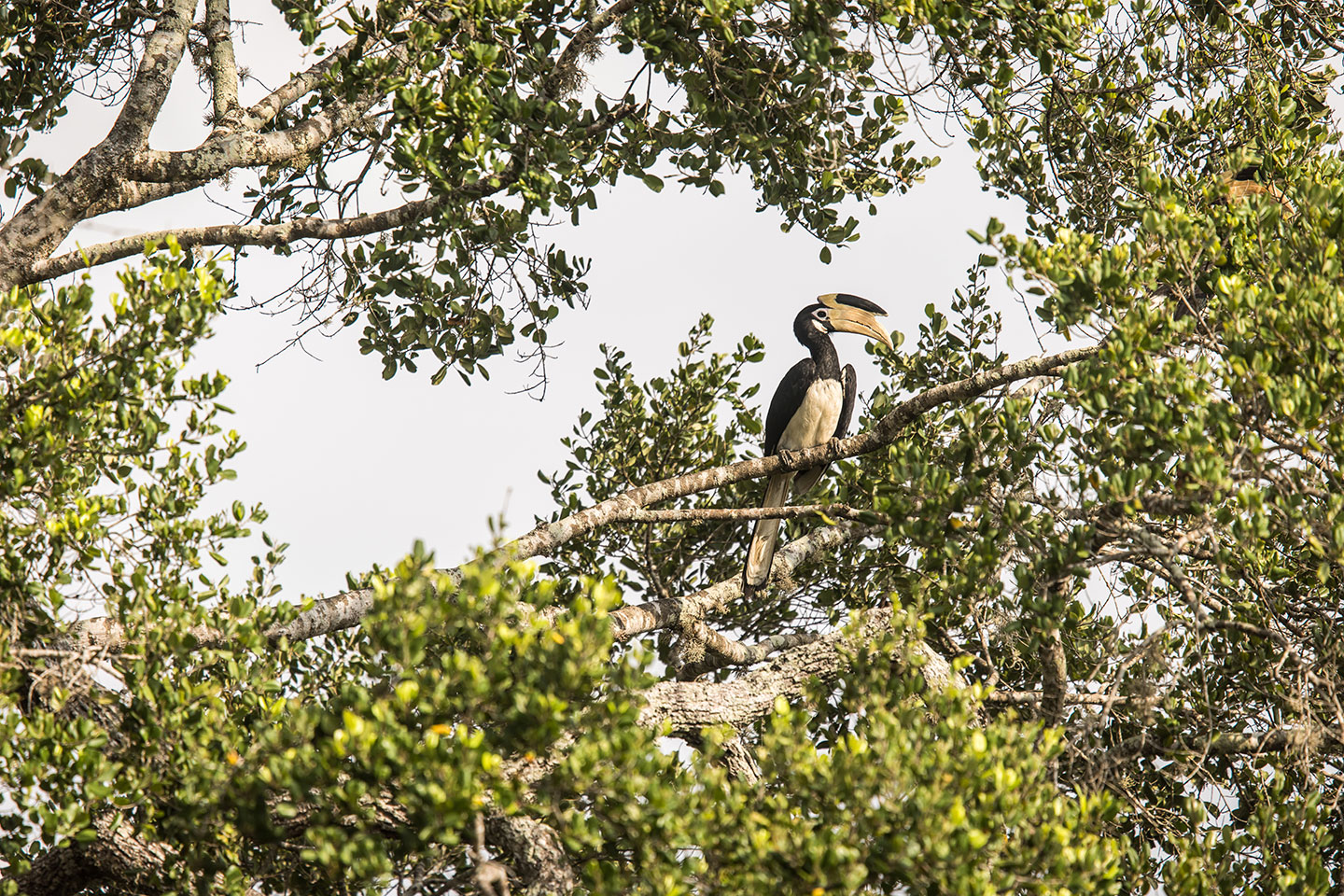
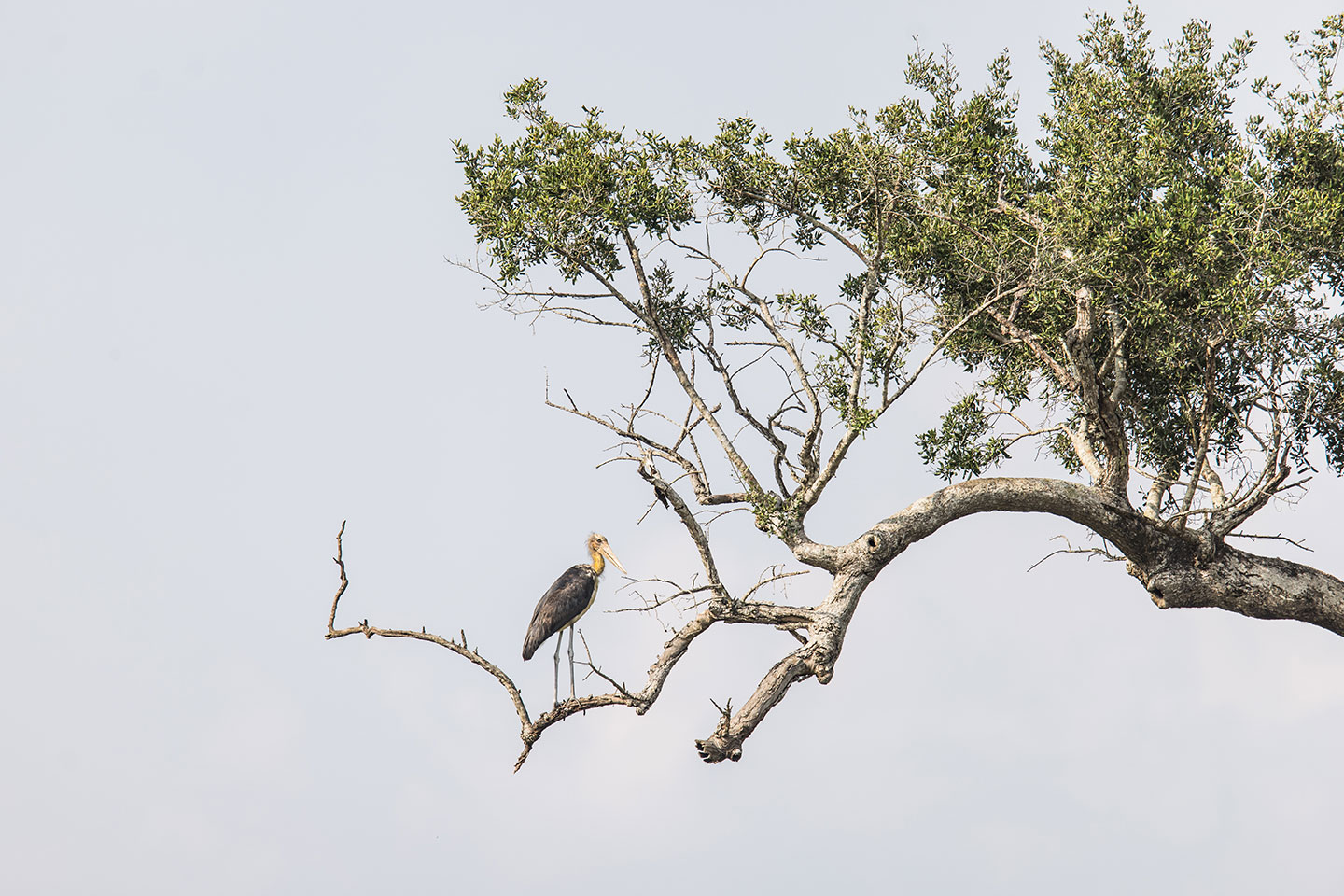
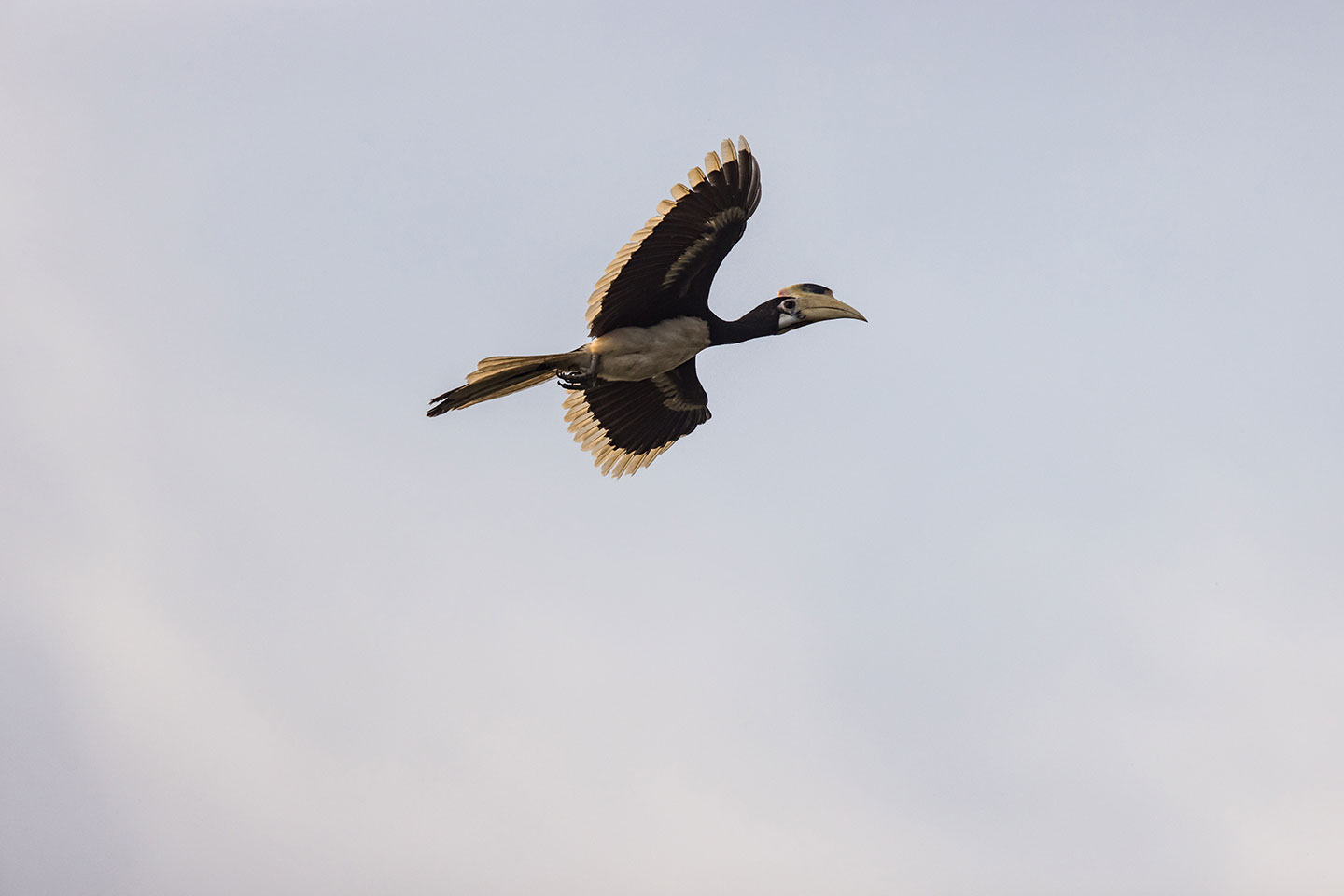
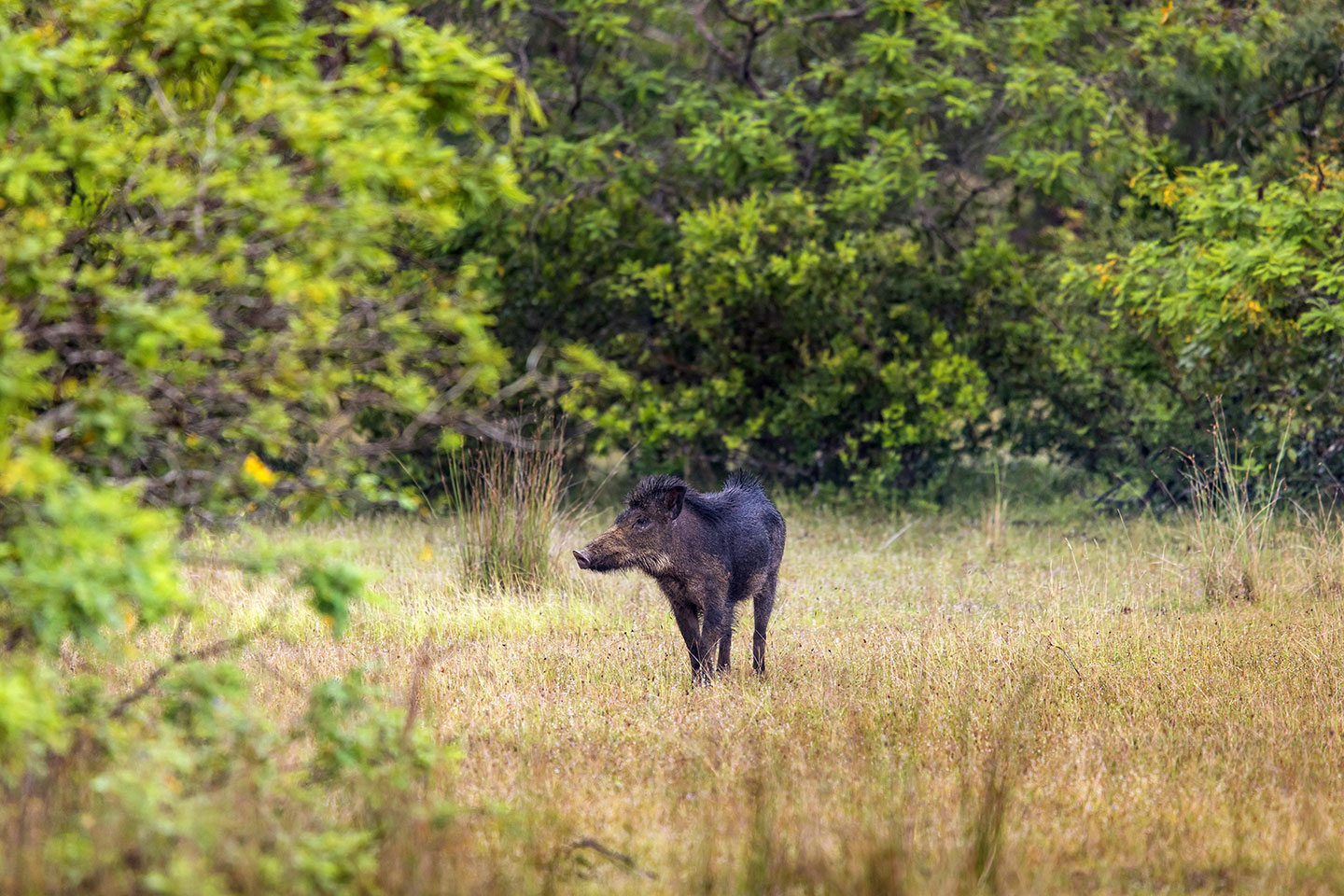
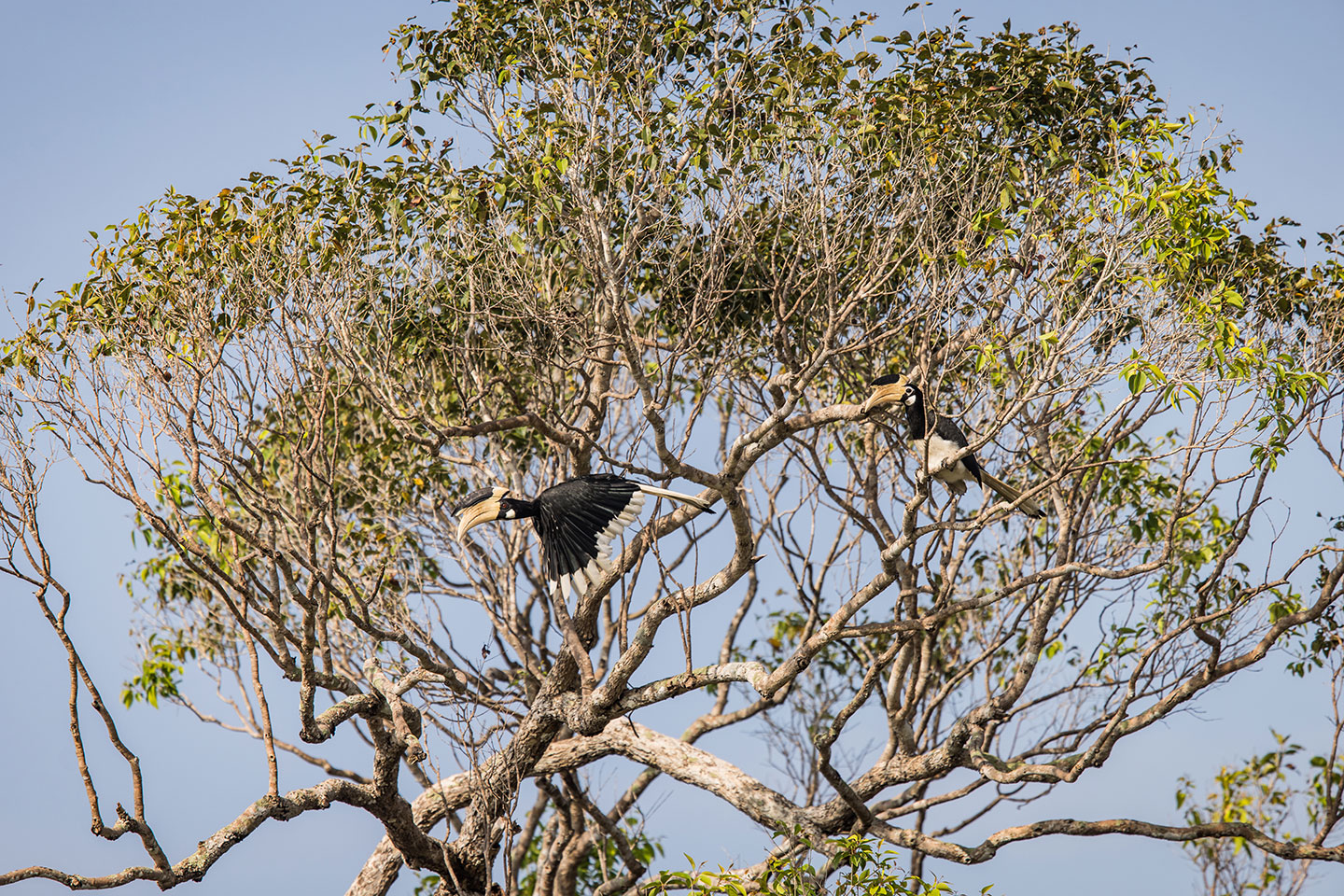
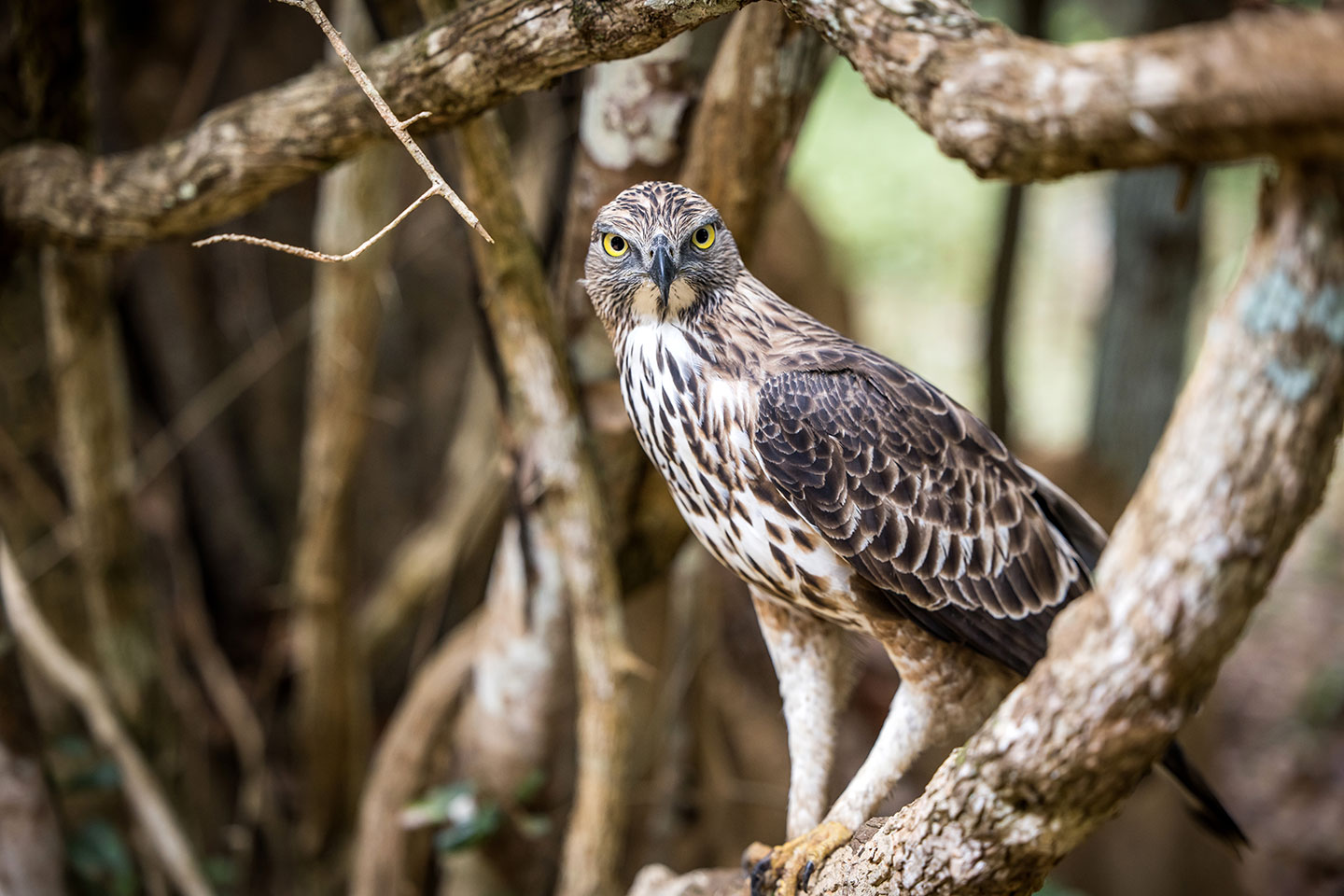
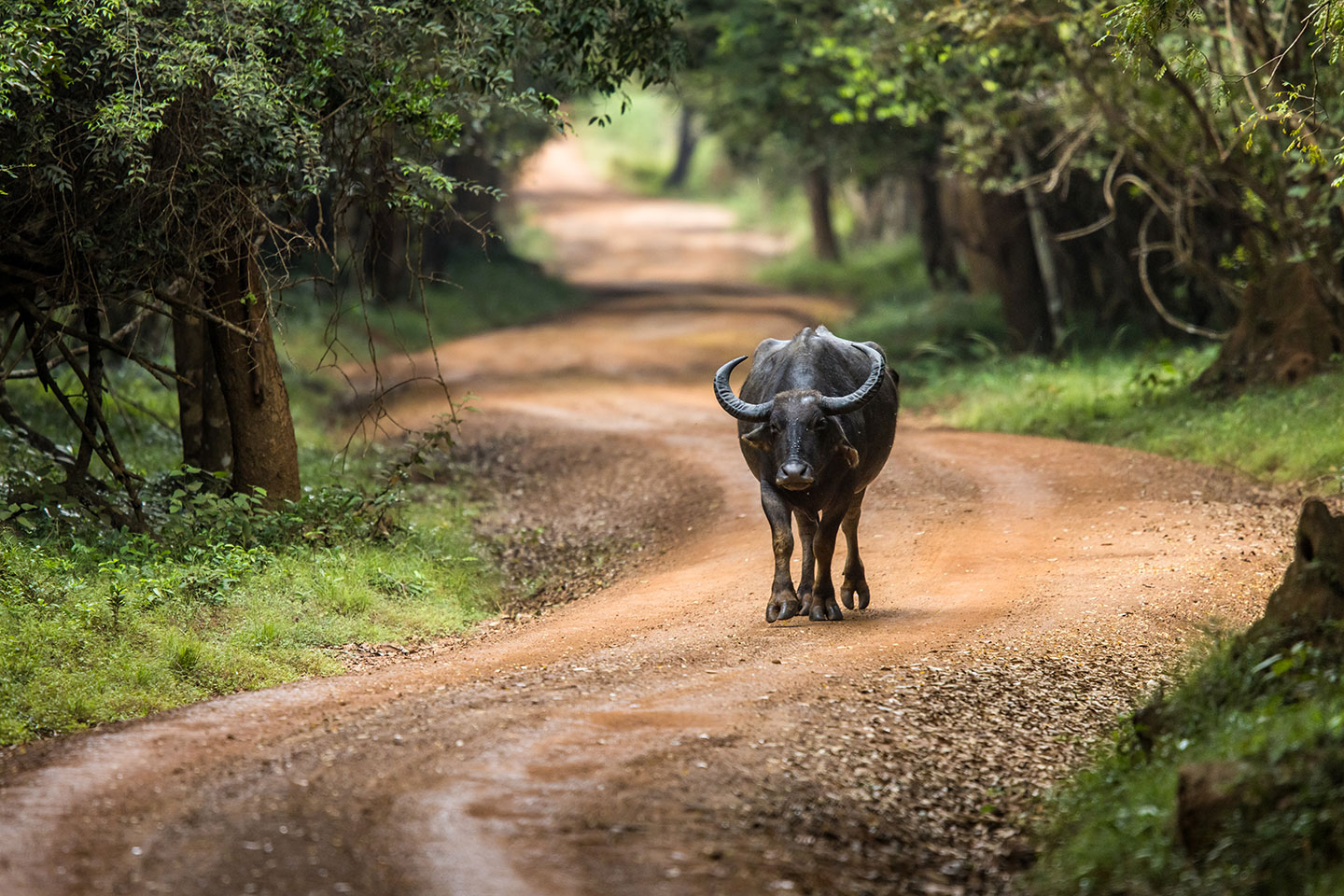
It’s not just beaches in the south of Sri Lanka. There’s actually a lot of wildlife as well, protected by several national parks, allowing you to go on African-style safaris. I explored Bundala and Yala National Park and got to see quite a lot of different animals. Bundala is known for its migrating birds, ranging from painted storks to the ibis and spoonbills and the landscape here is characterized by wetlands. The park is very quiet as it’s not as known as other parks in the area, which meant we only encountered only a few other jeeps during the entire day. The wildlife is obviously not only found in just national parks: In between Bundala and Yala, near the town of Tissamaharama, you can find giant trees with massive colonies of flying fruit bats. As the sun sets, the bats wake up and become active, flying from one tree to the next. To end my time in the south, I spent a full day in Yala National Park. Yala is home to the bigger animals, like the Asian elephants and even leopards. It’s also the most popular national park in the country, and the number of jeeps you see on any given day takes away from the charm of seeing the wildlife. I managed to see elephants, langur monkeys, various birds and a quick glance of a leopard as it walked away. Luckily, I had more safaris planned, so I decided to head up north.






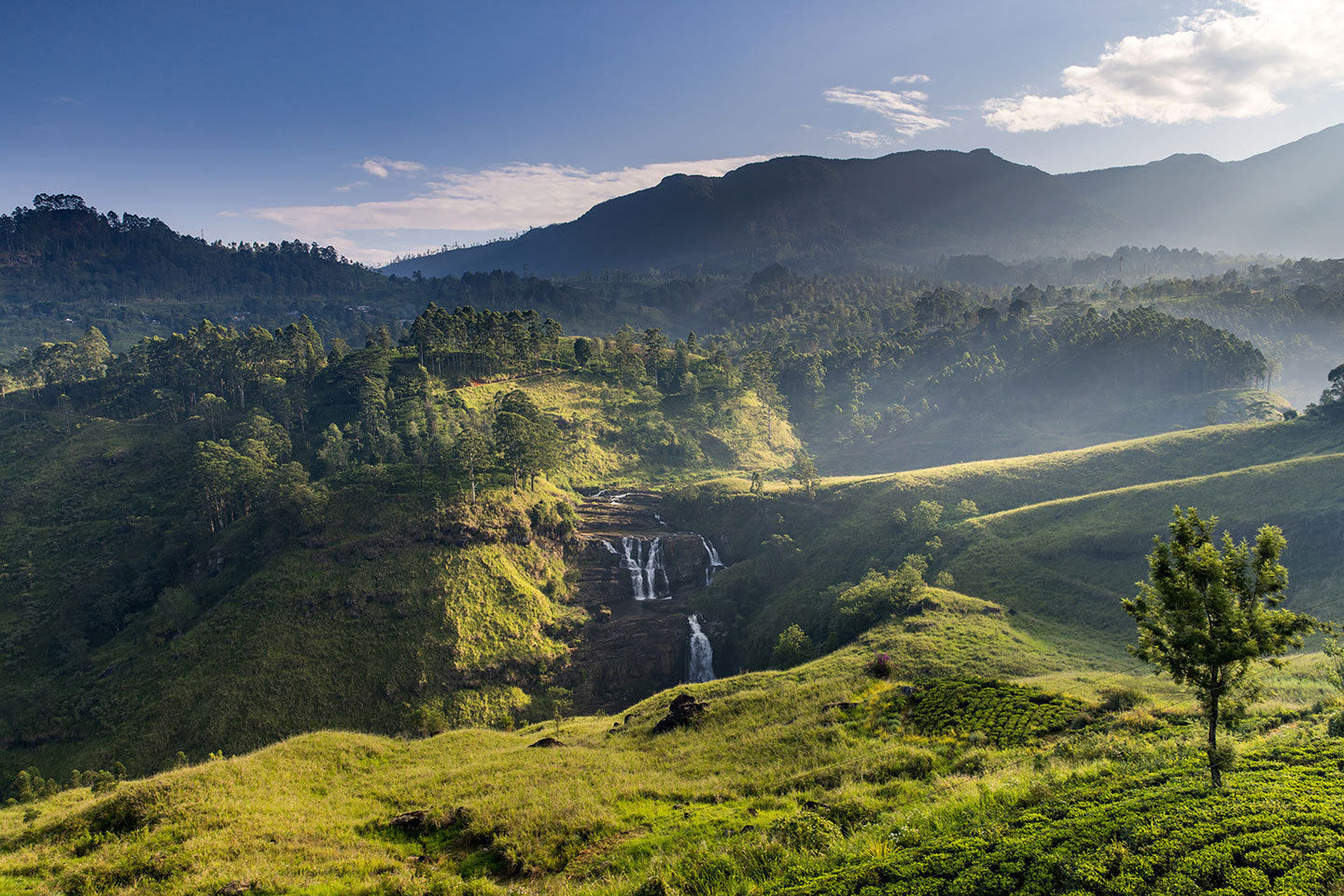
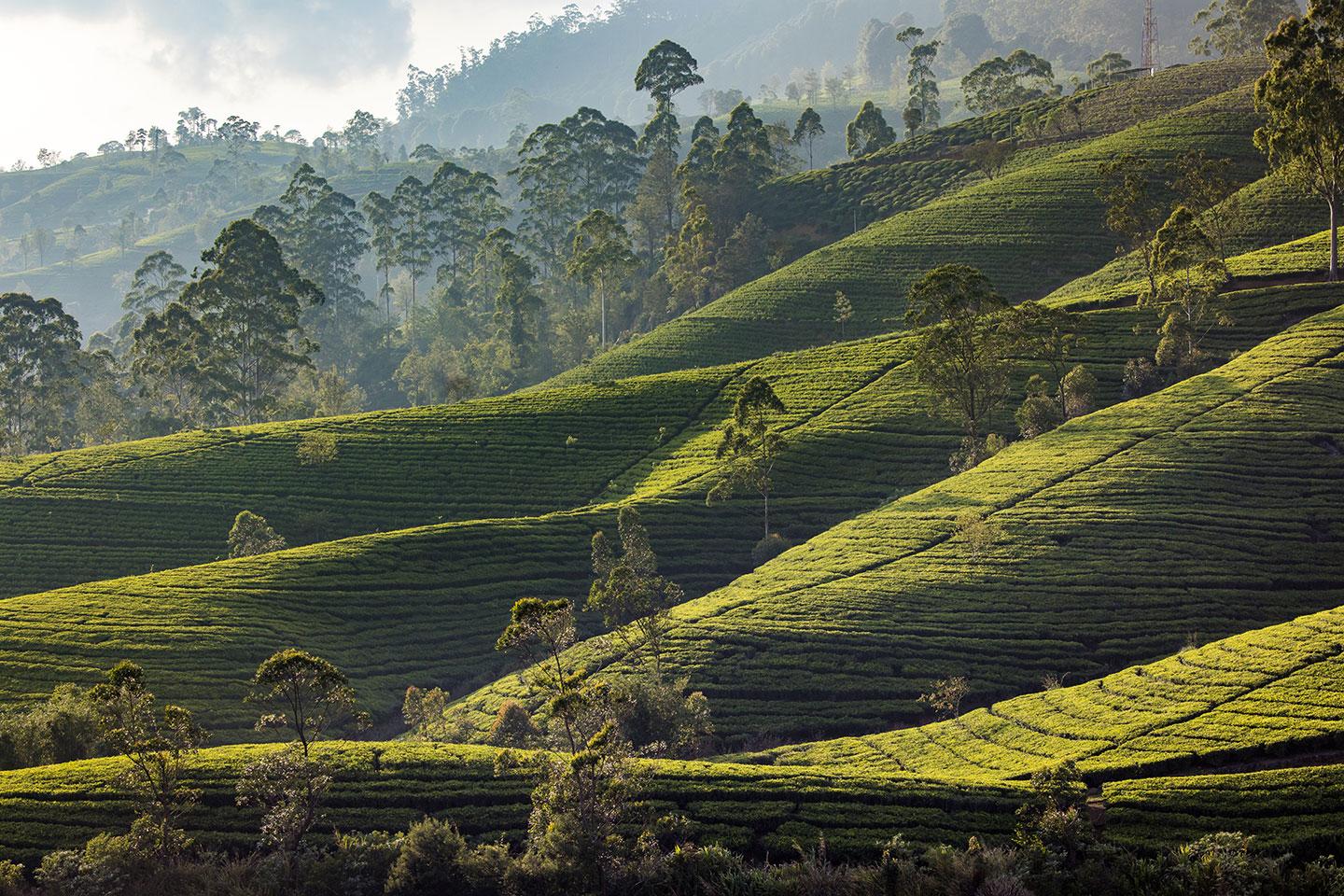
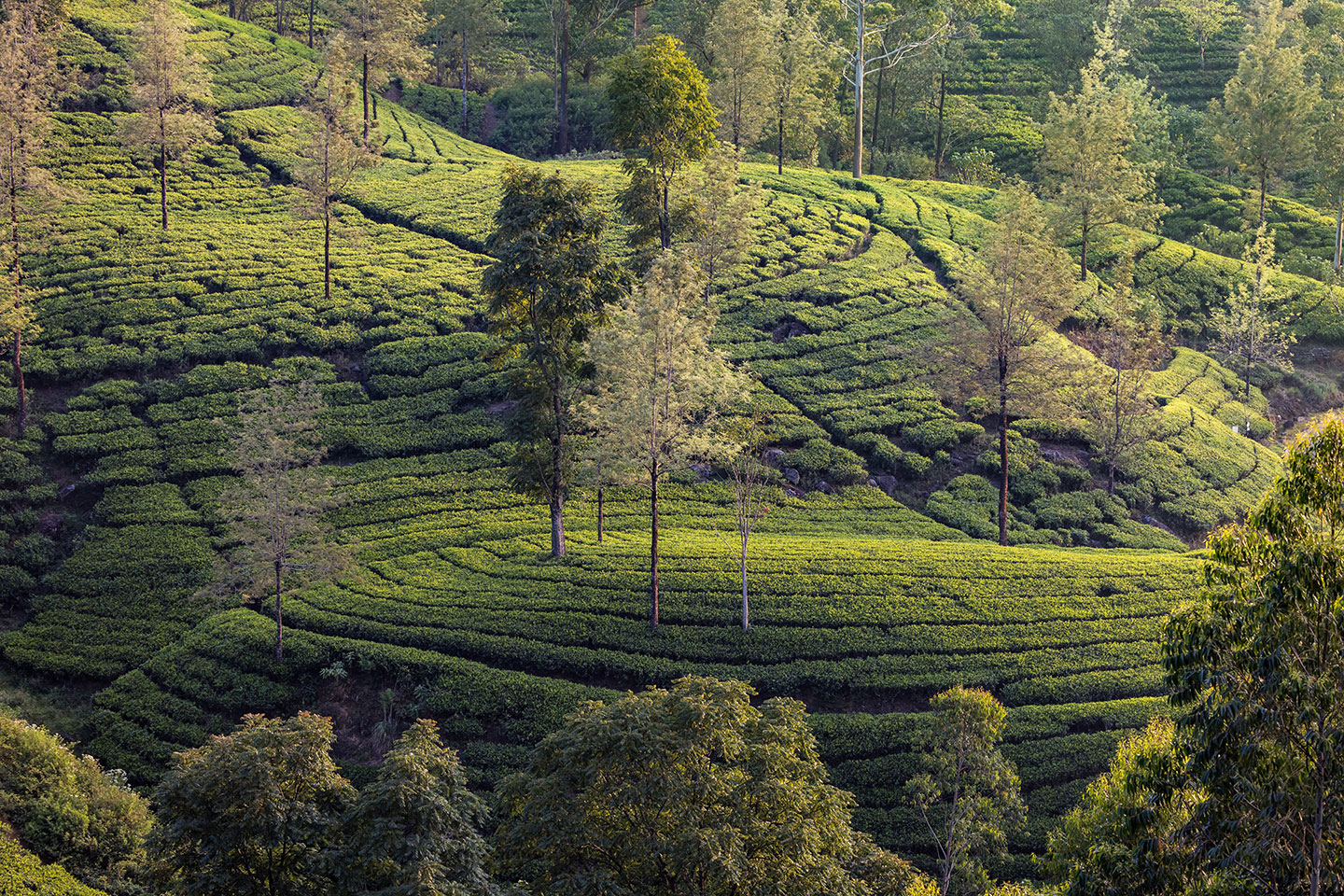
Central highlands – cooler temperatures and tea plantations
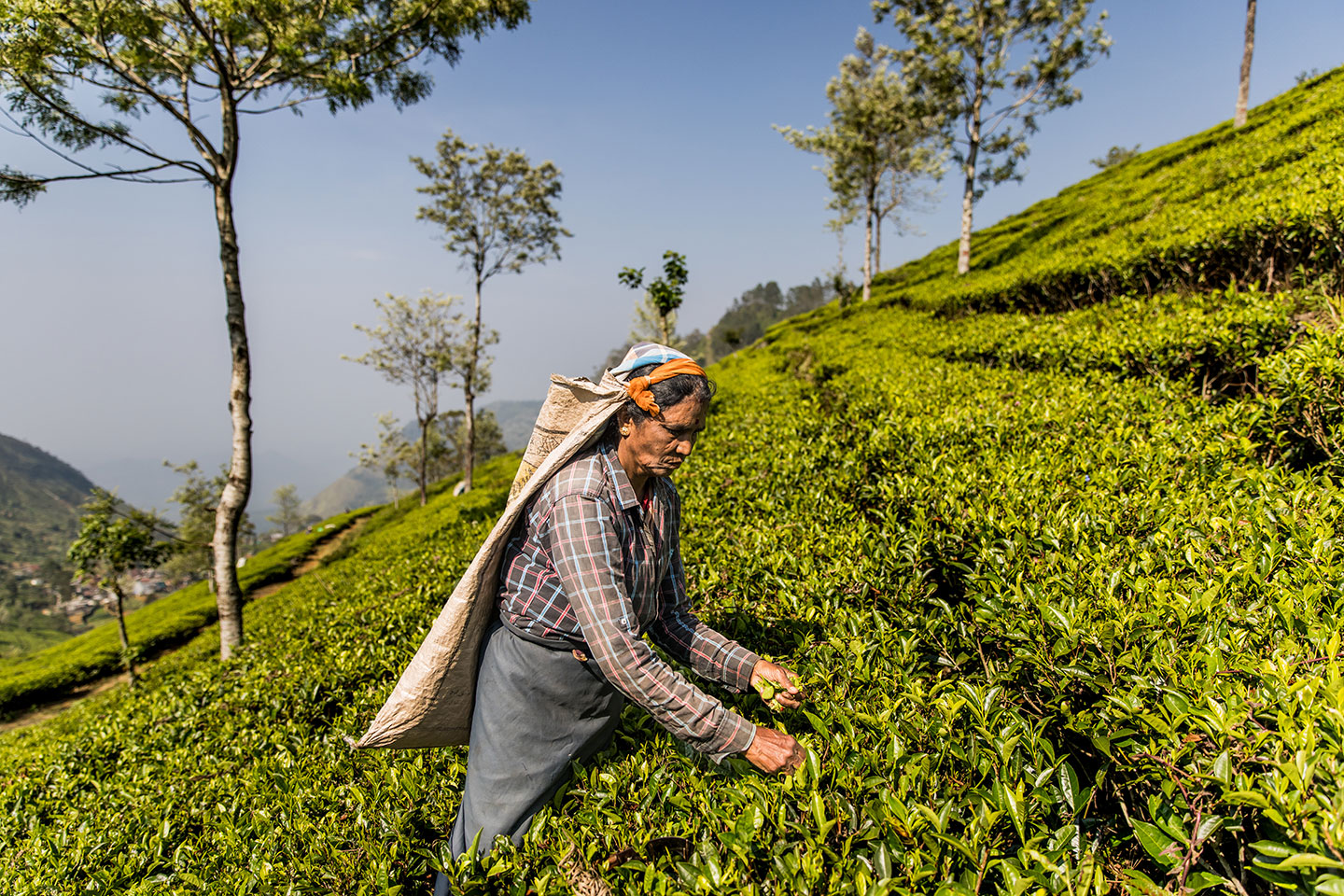
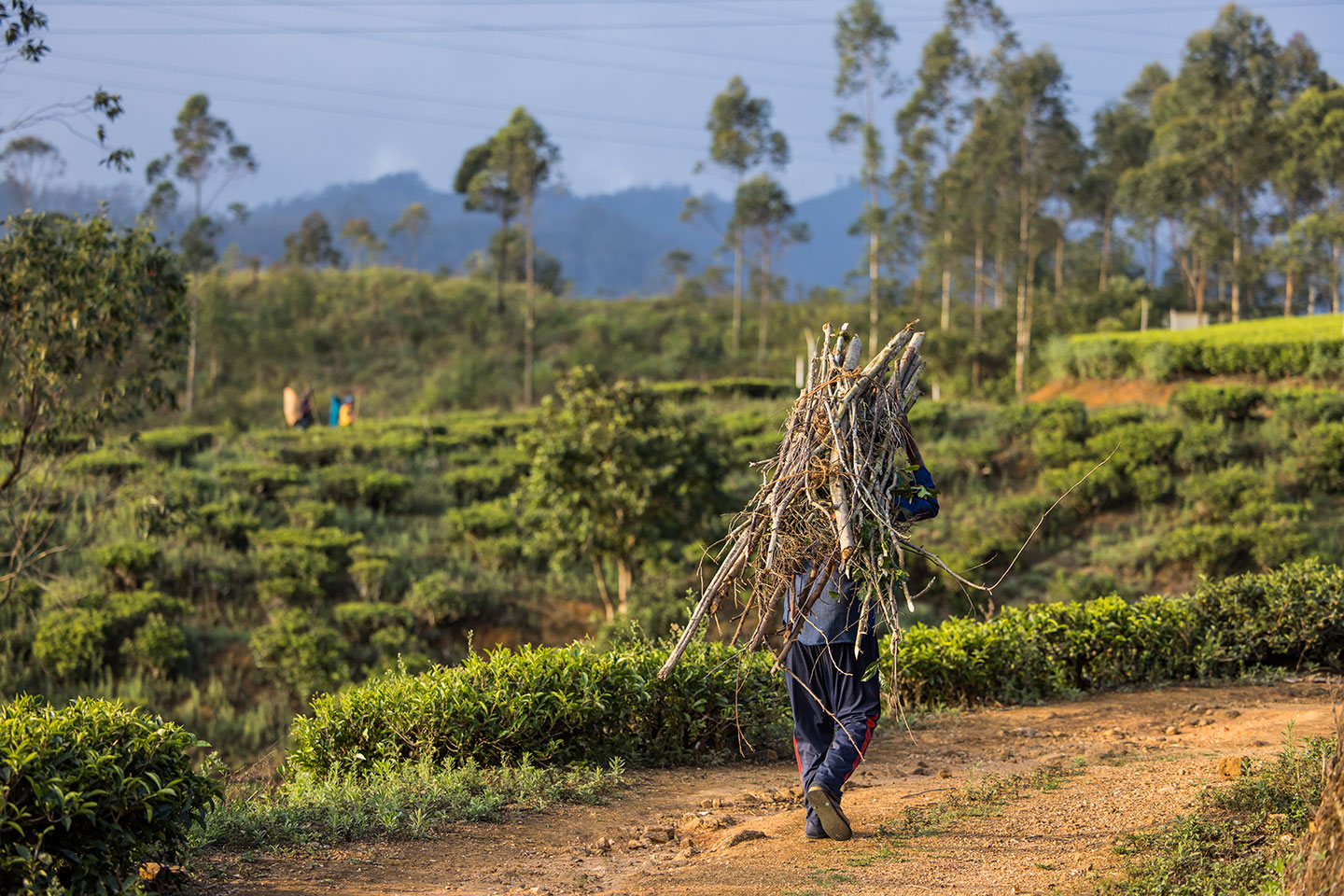
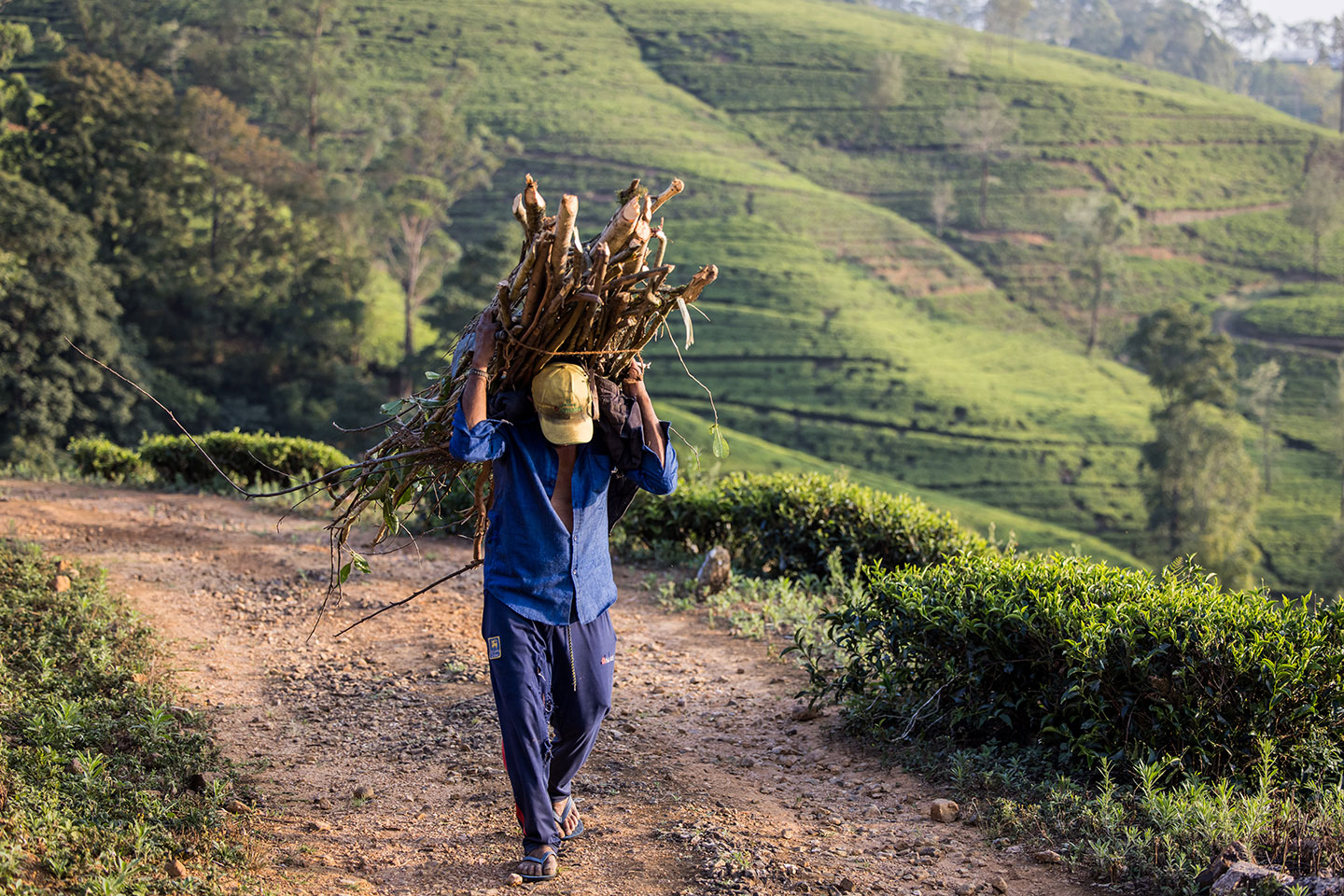
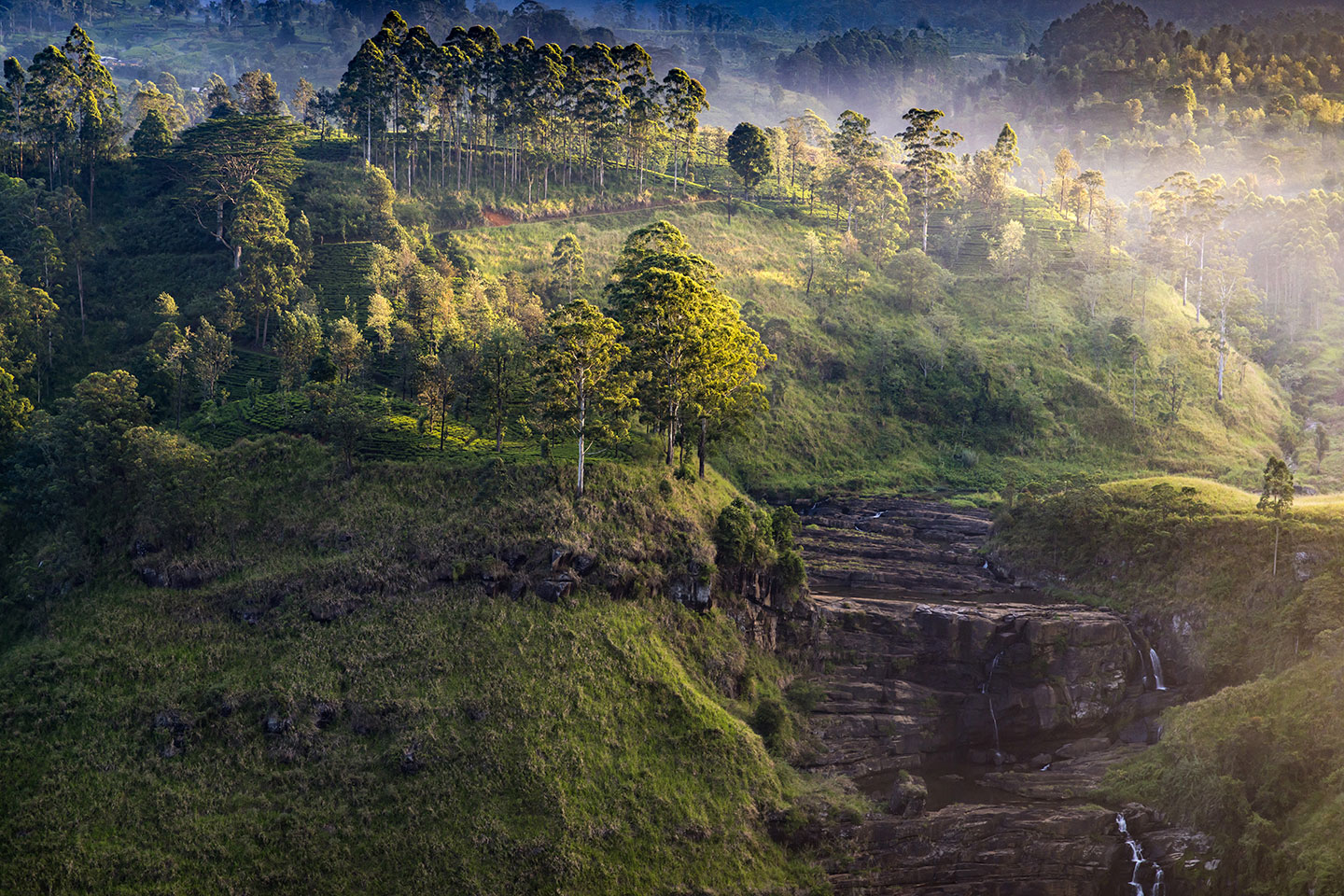
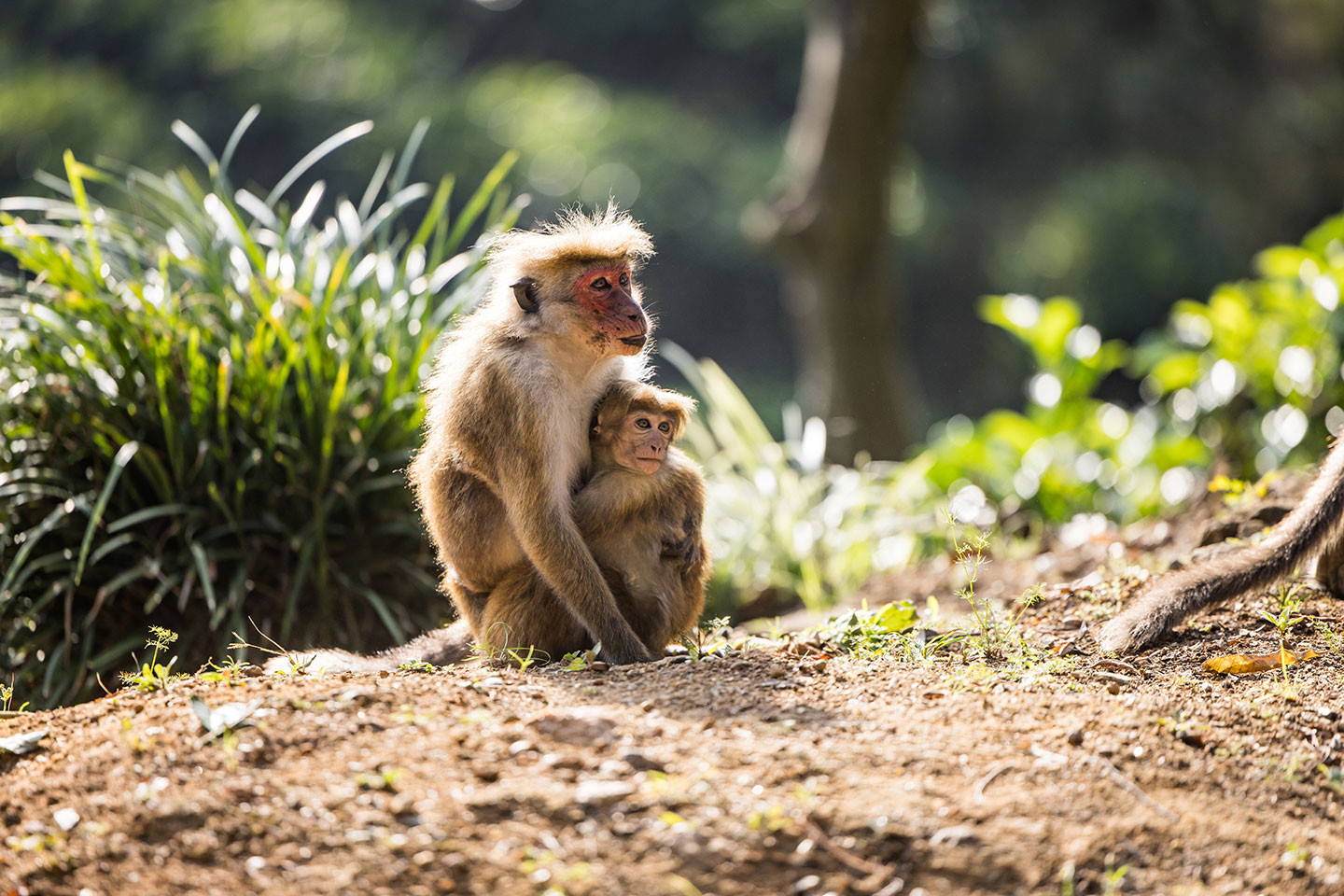
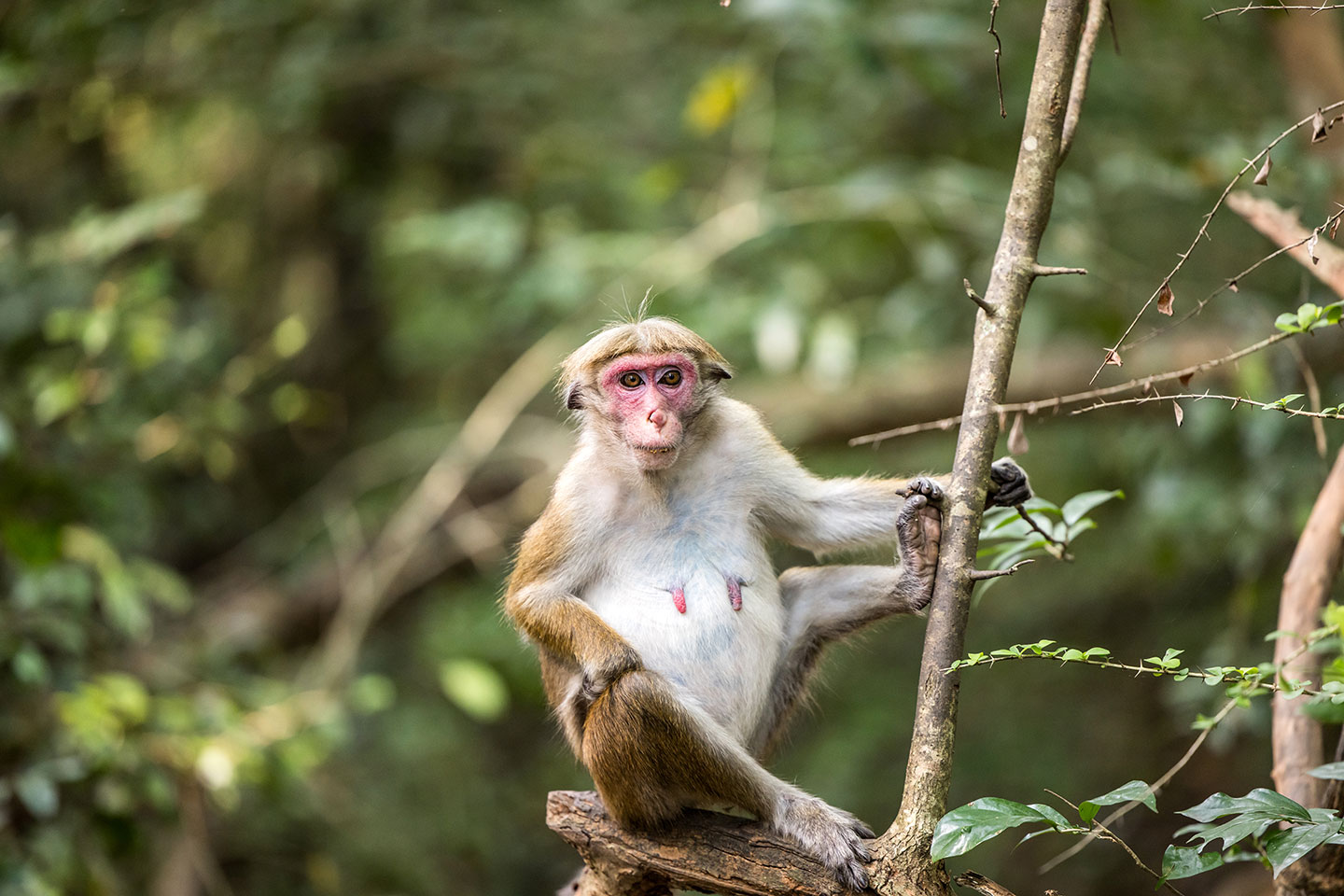
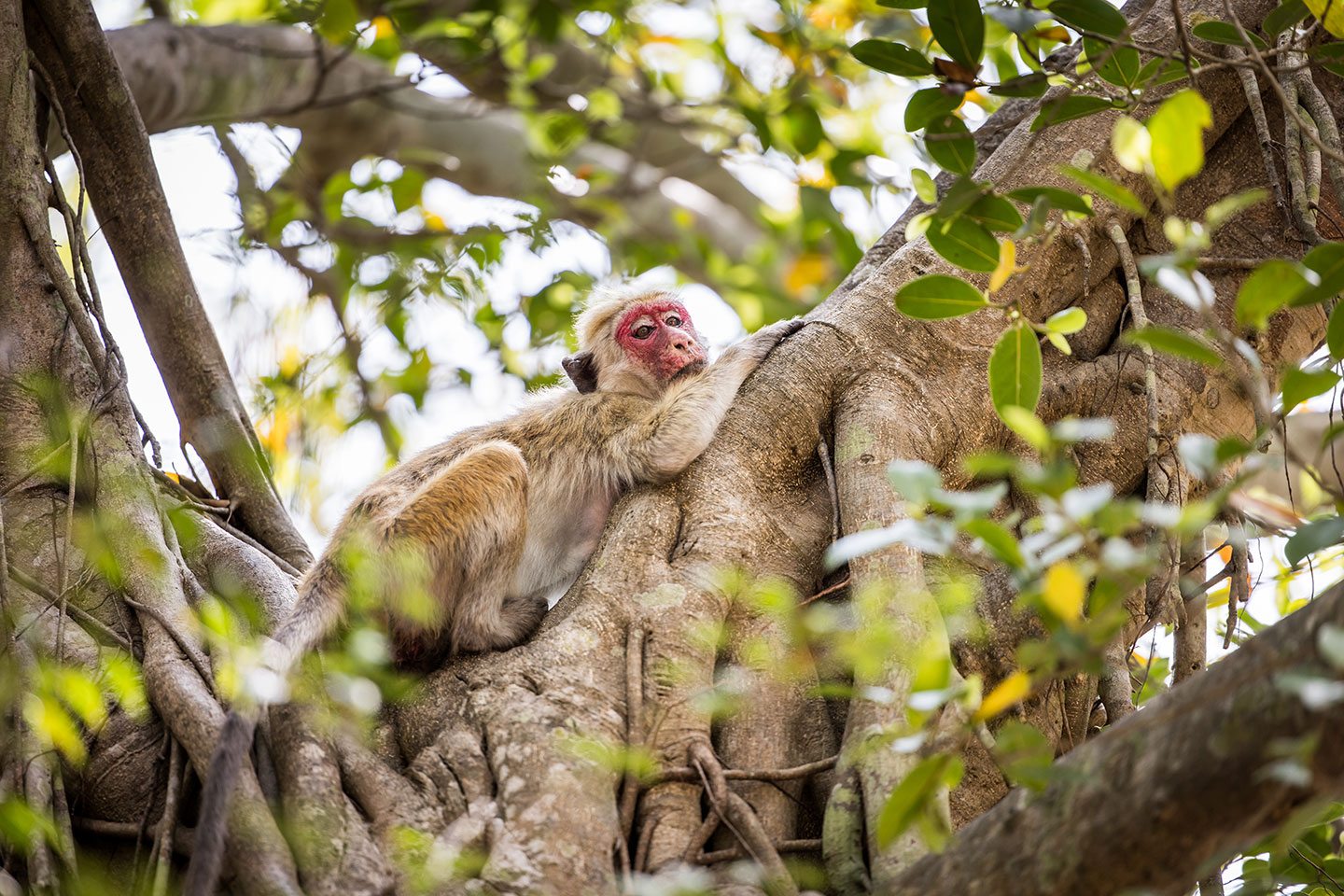
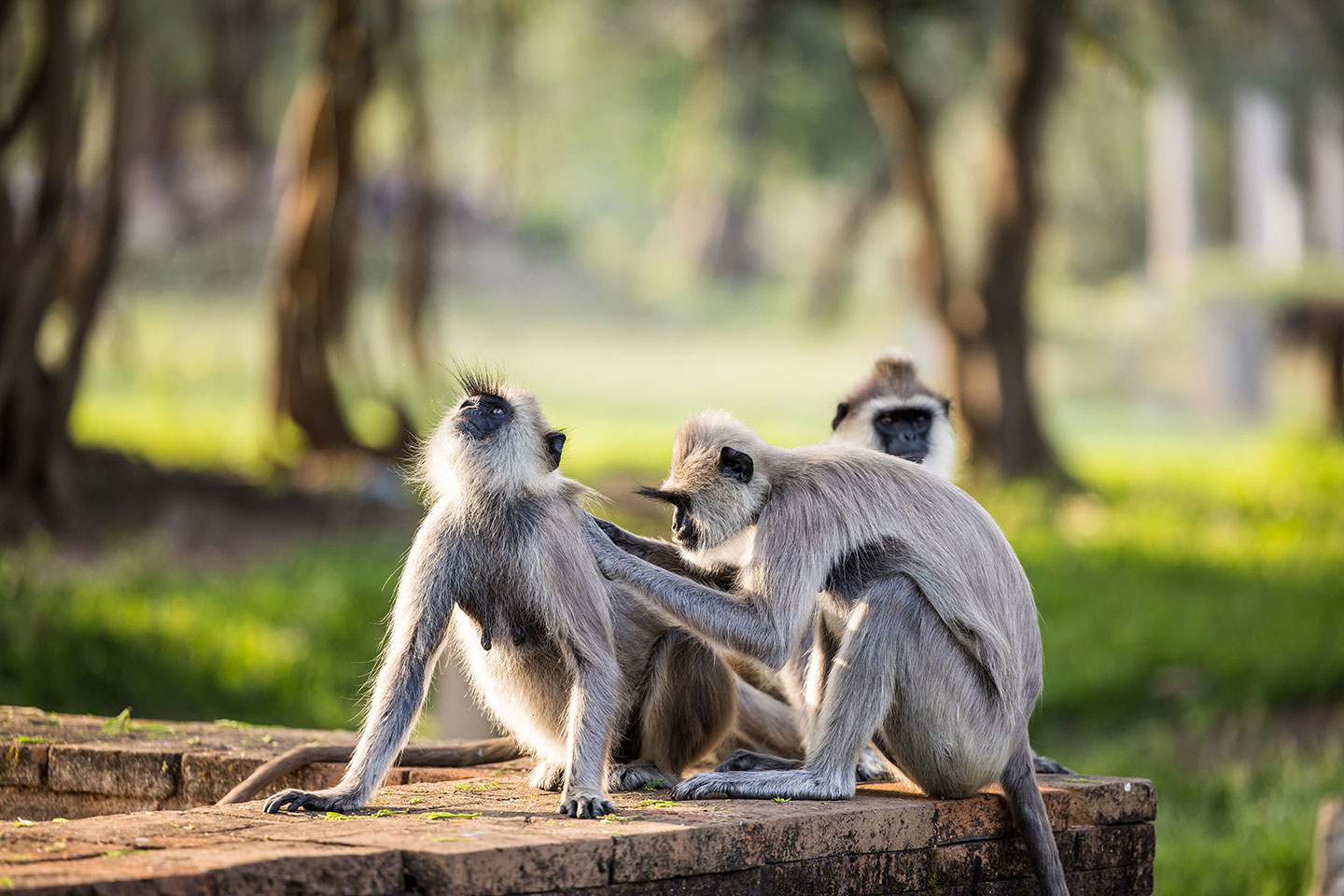
As you travel further inland, away from the coast, the temperature drops drastically and the scenery changes just as quick. In towns like Haputale and Nuwara Eliya, all you see is tea plantations and waterfalls. I got quite lucky with the weather and took advantage of the beautiful sunrises and sunsets to explore the many tea fields in the area. Early in the morning, I hiked down from Lipton’s seat through the tea plantations and got to engage with the friendly workers plucking tea, showing me their skills and making conversation. On top of that I even spotted quite a lot of monkeys in the forest near Nuwara Eliya, from red faced macaques to the rare purple faced langur monkeys.




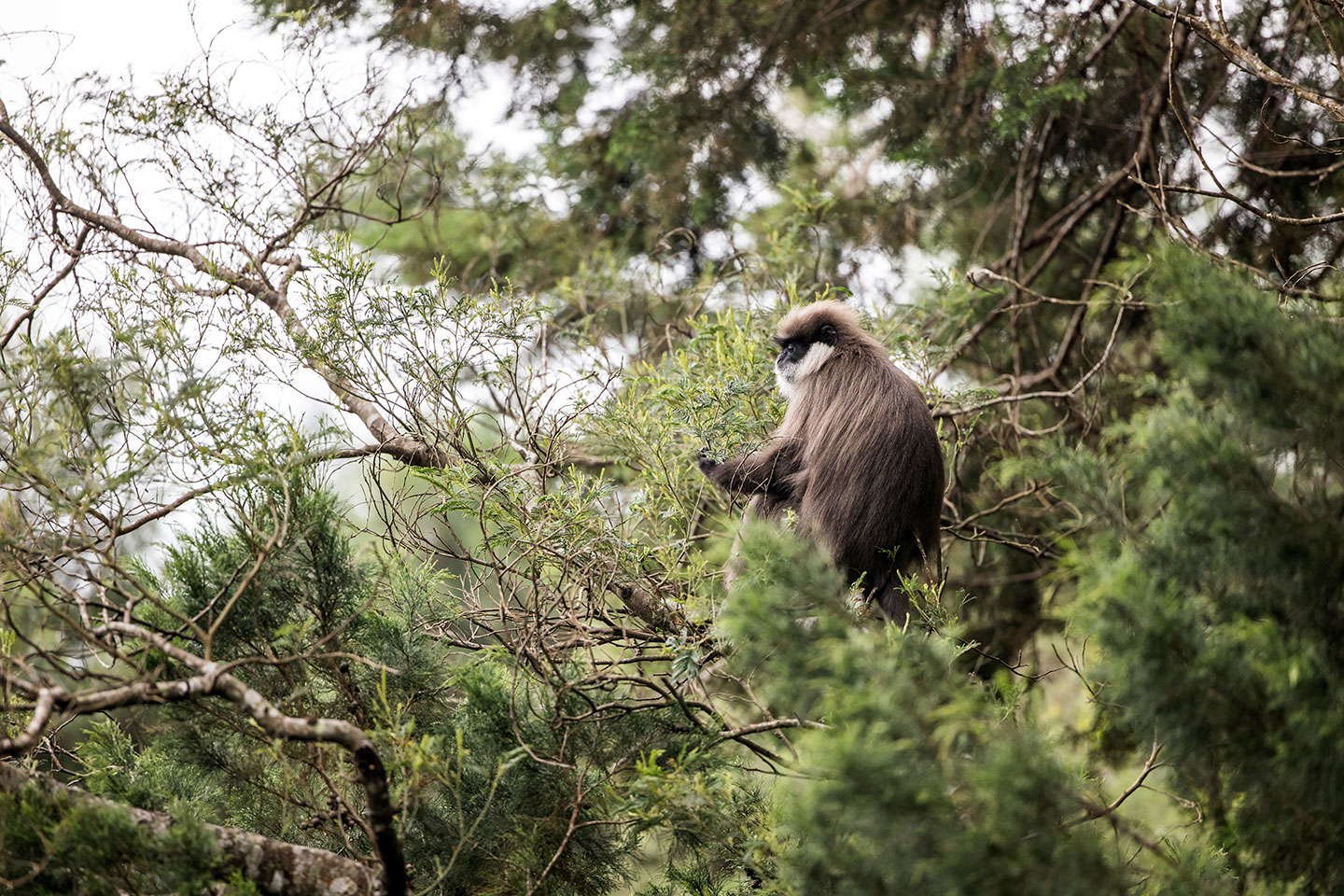
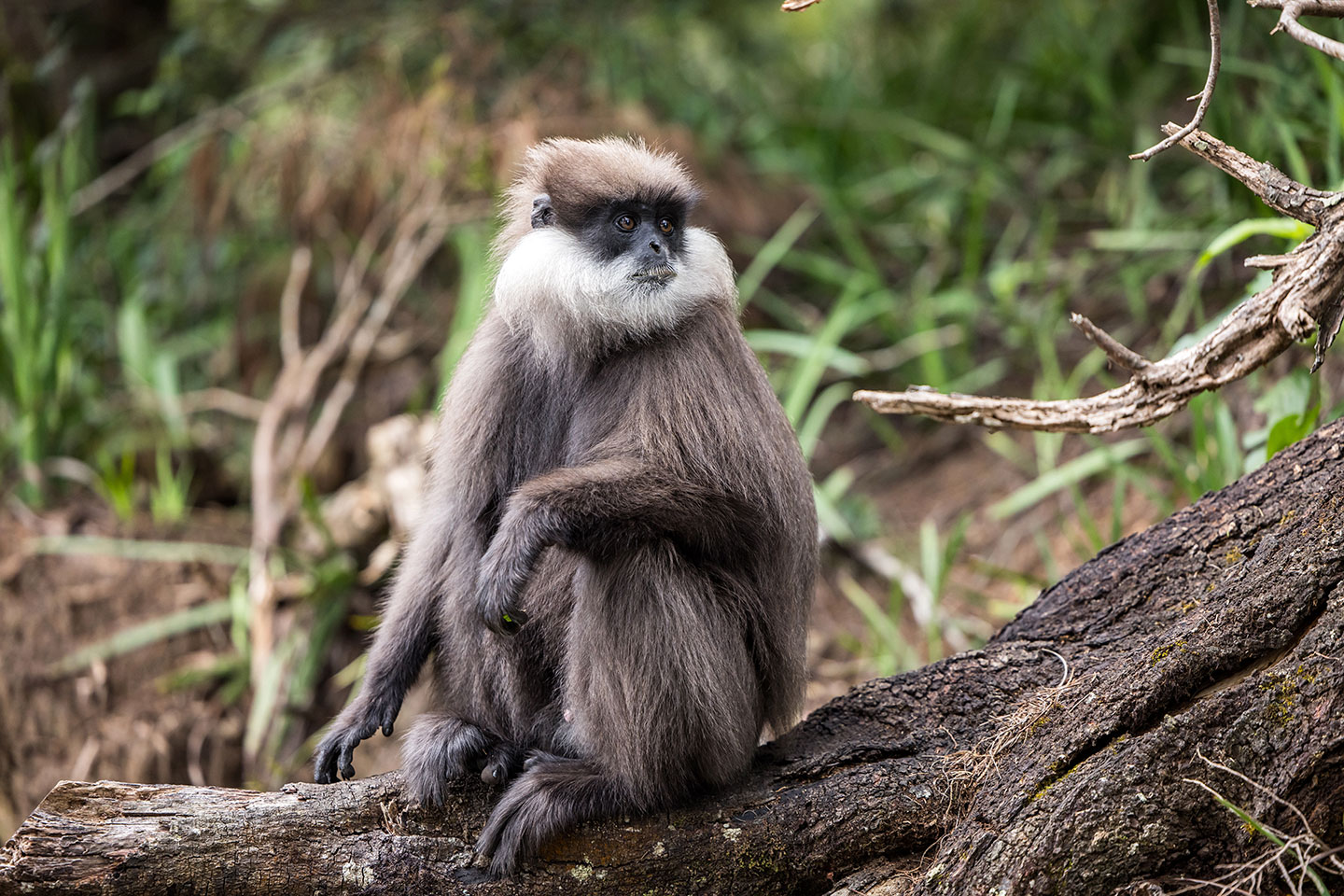
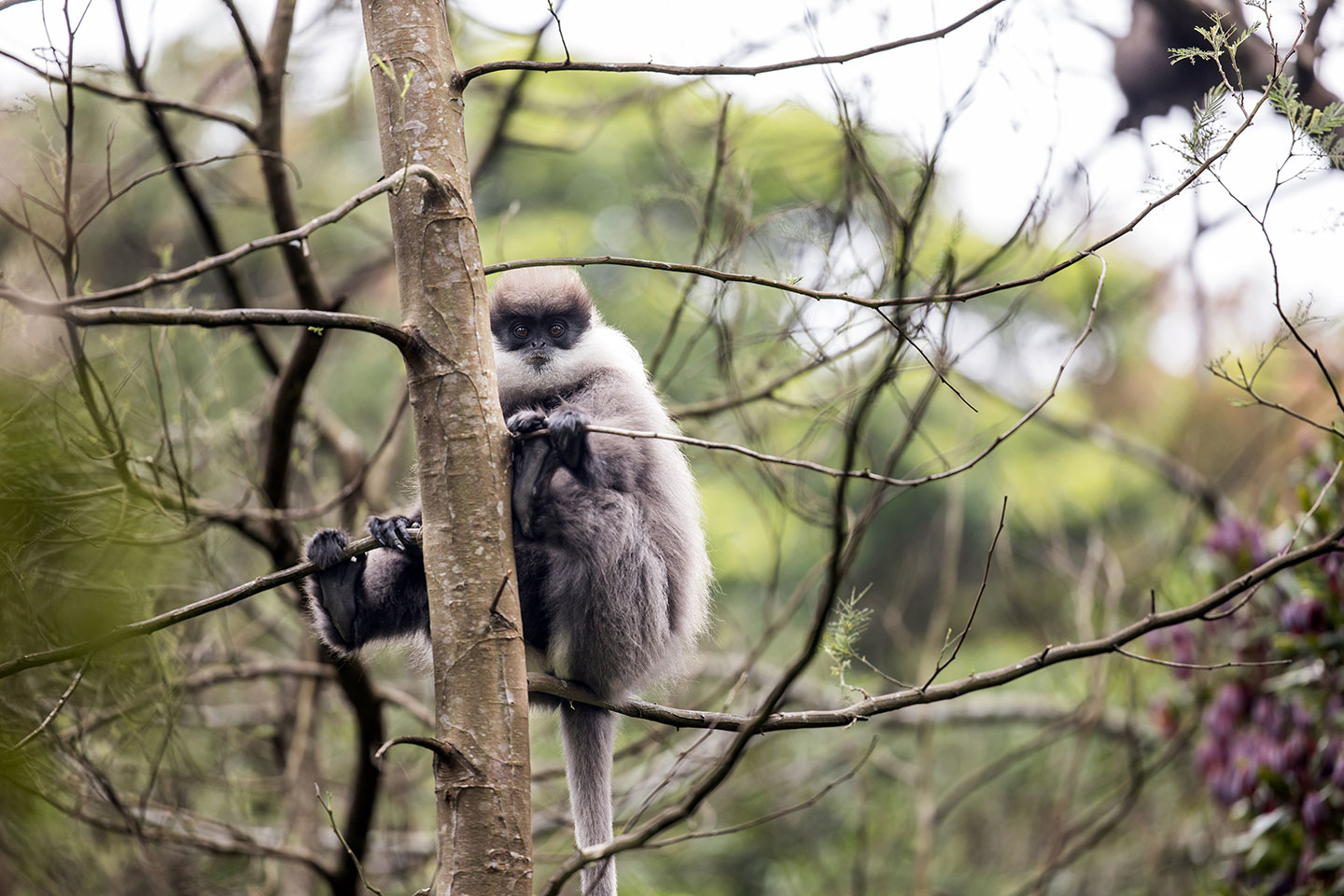
Wasgamuwa National Parks – Big herds of elephants
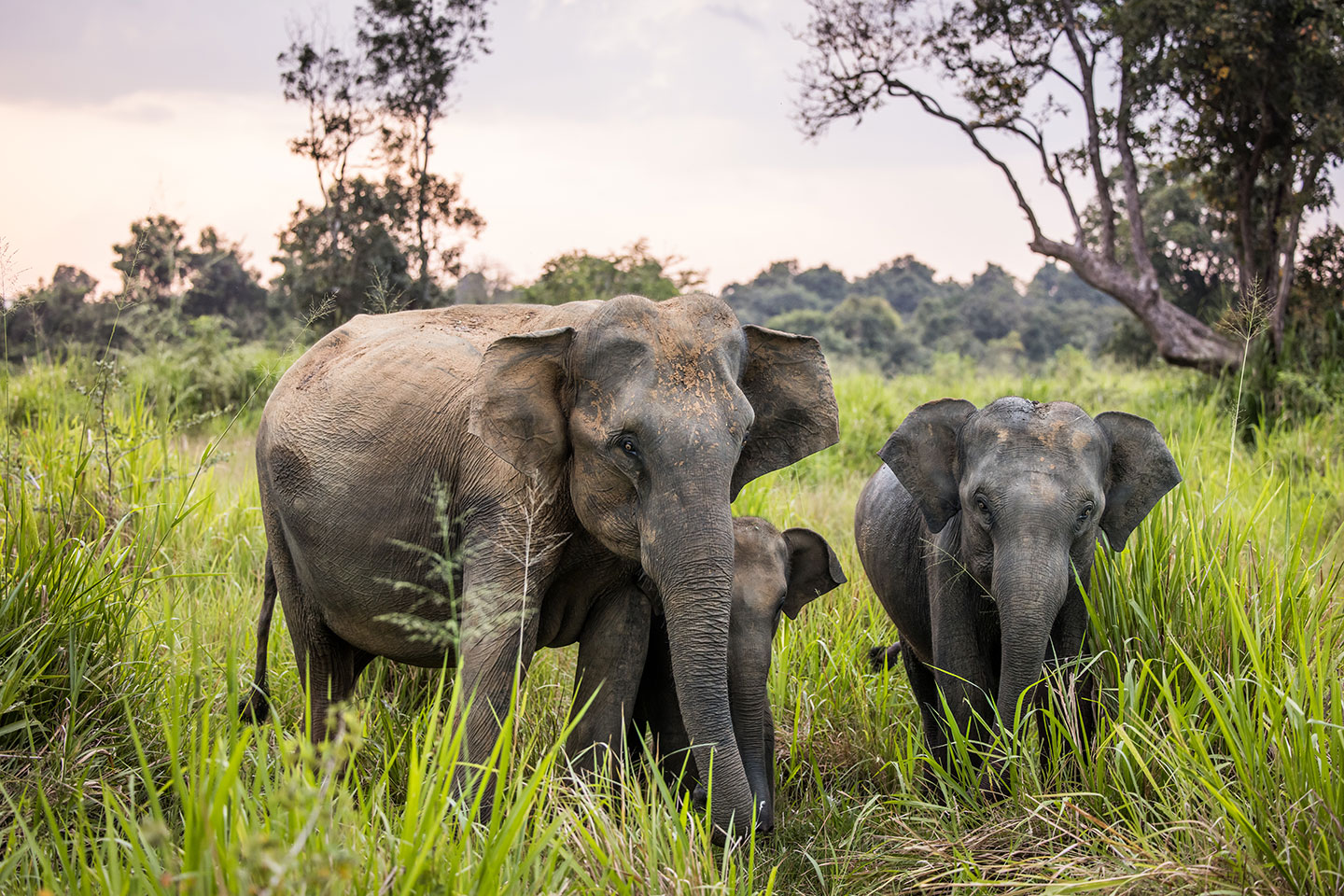
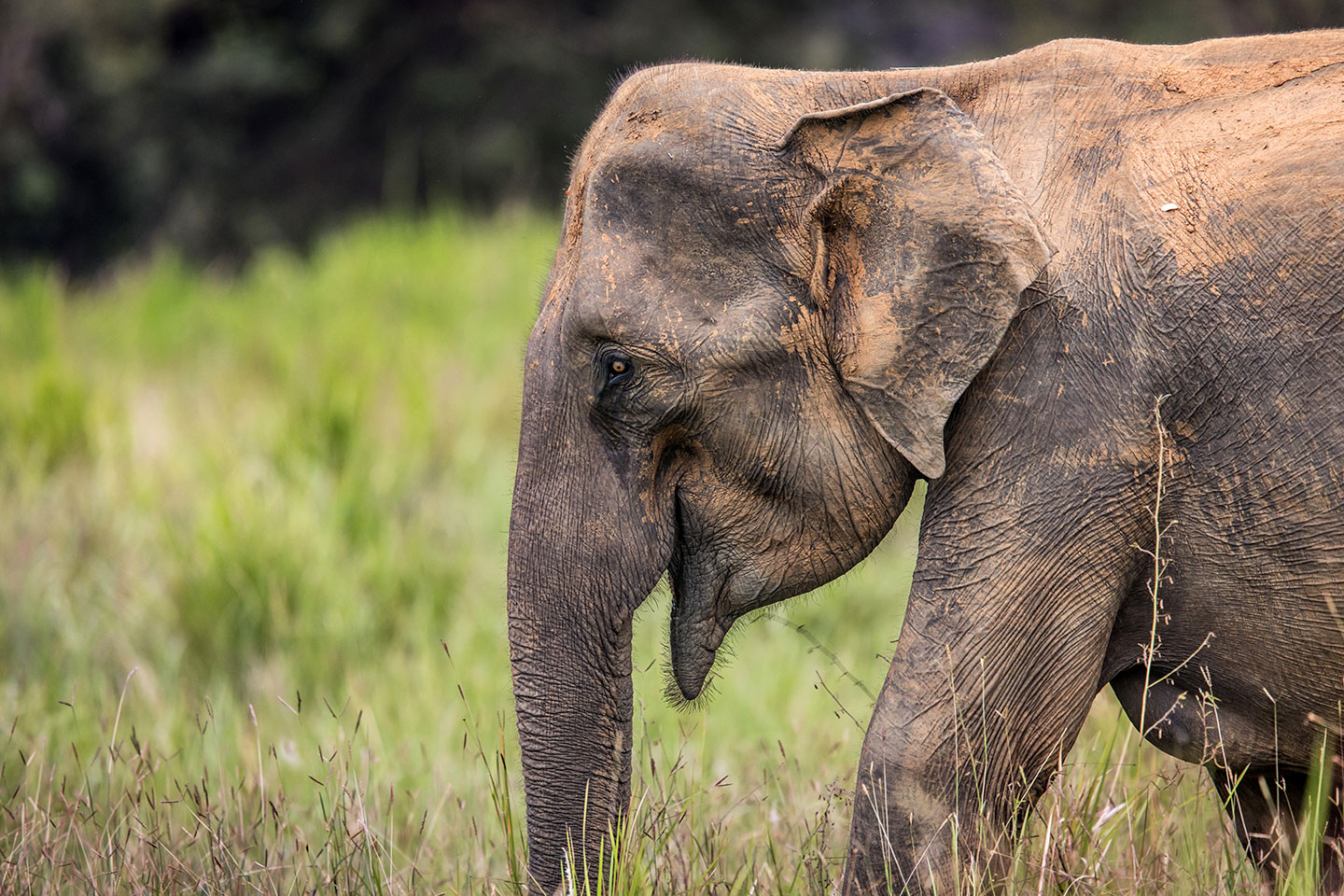
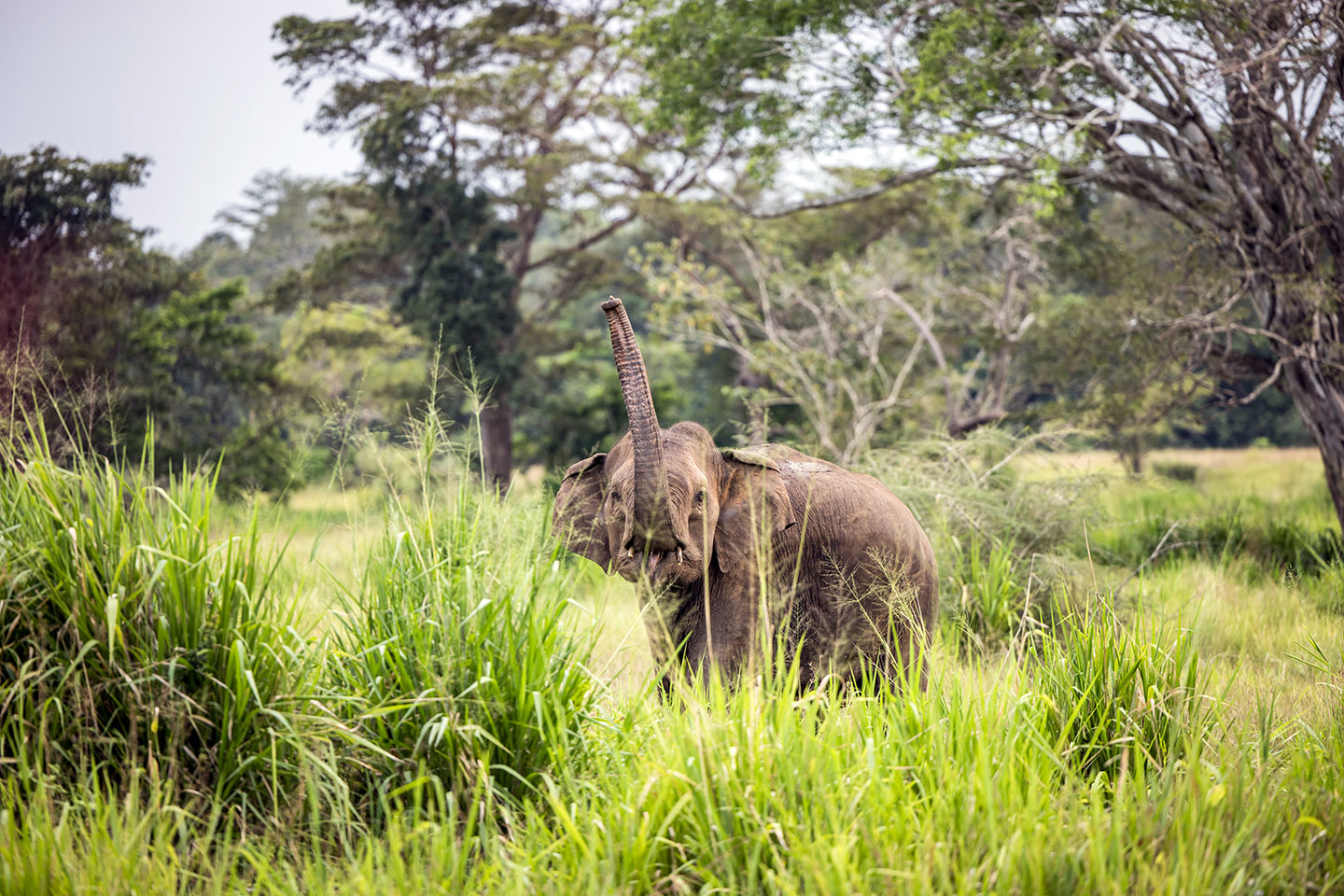
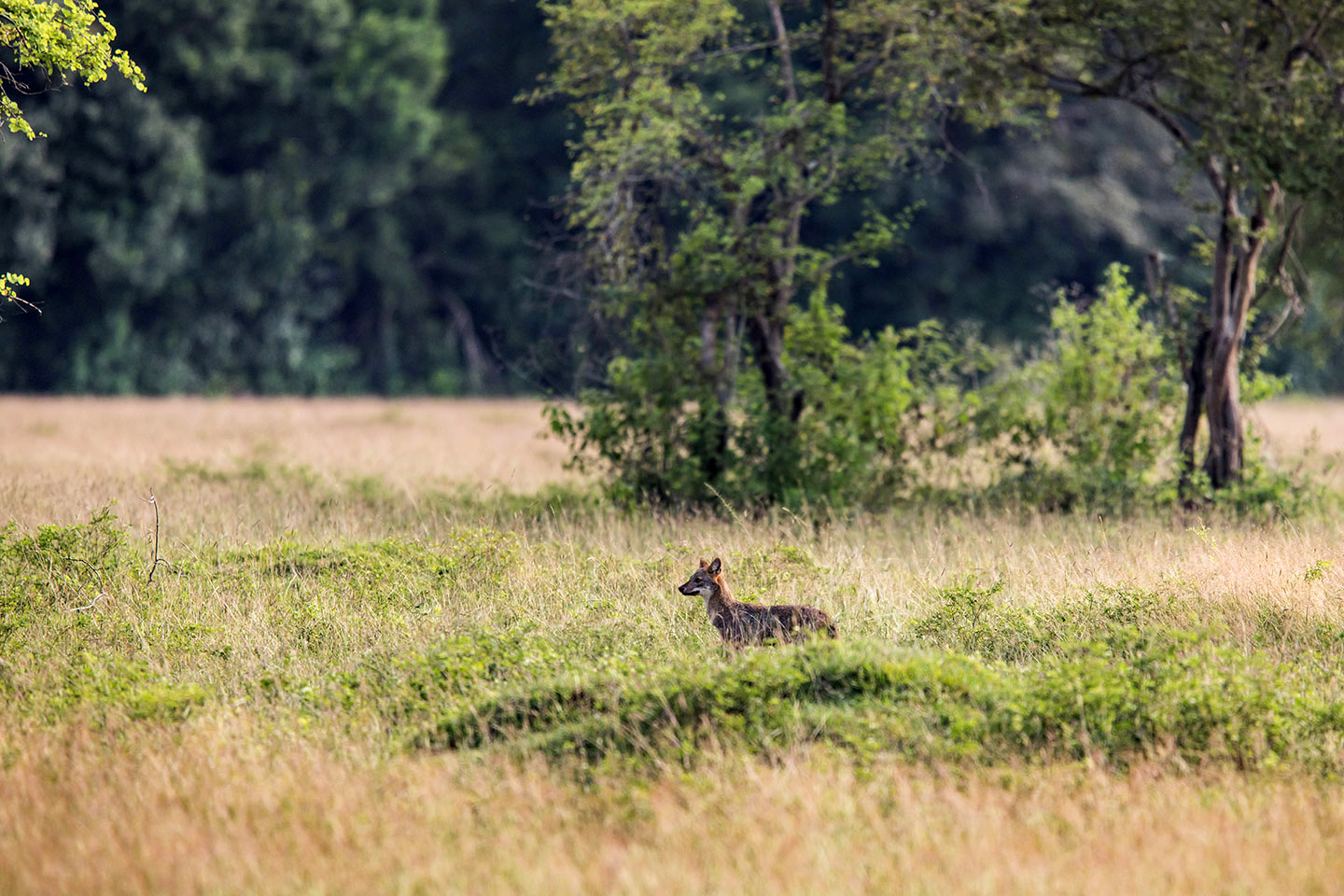
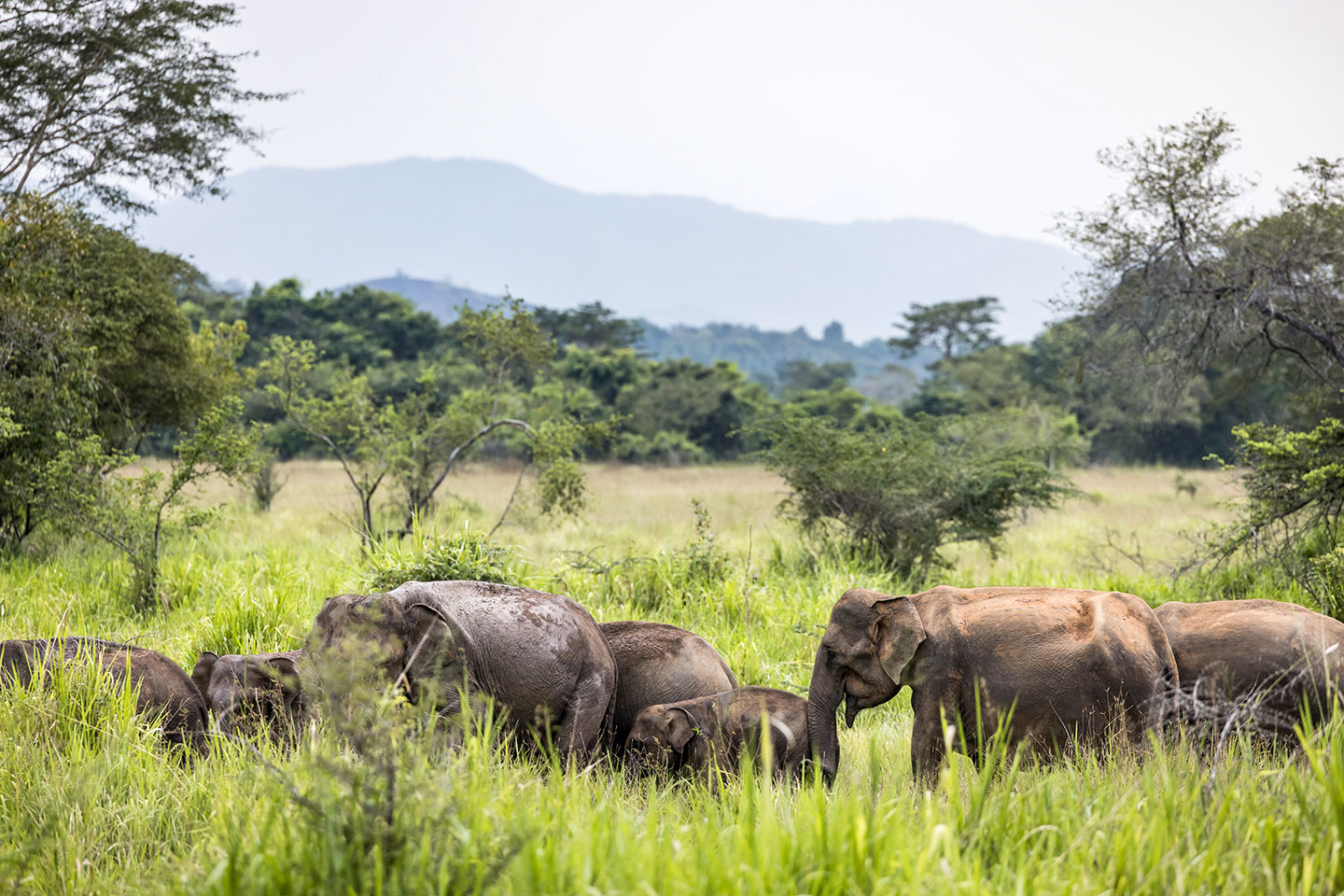
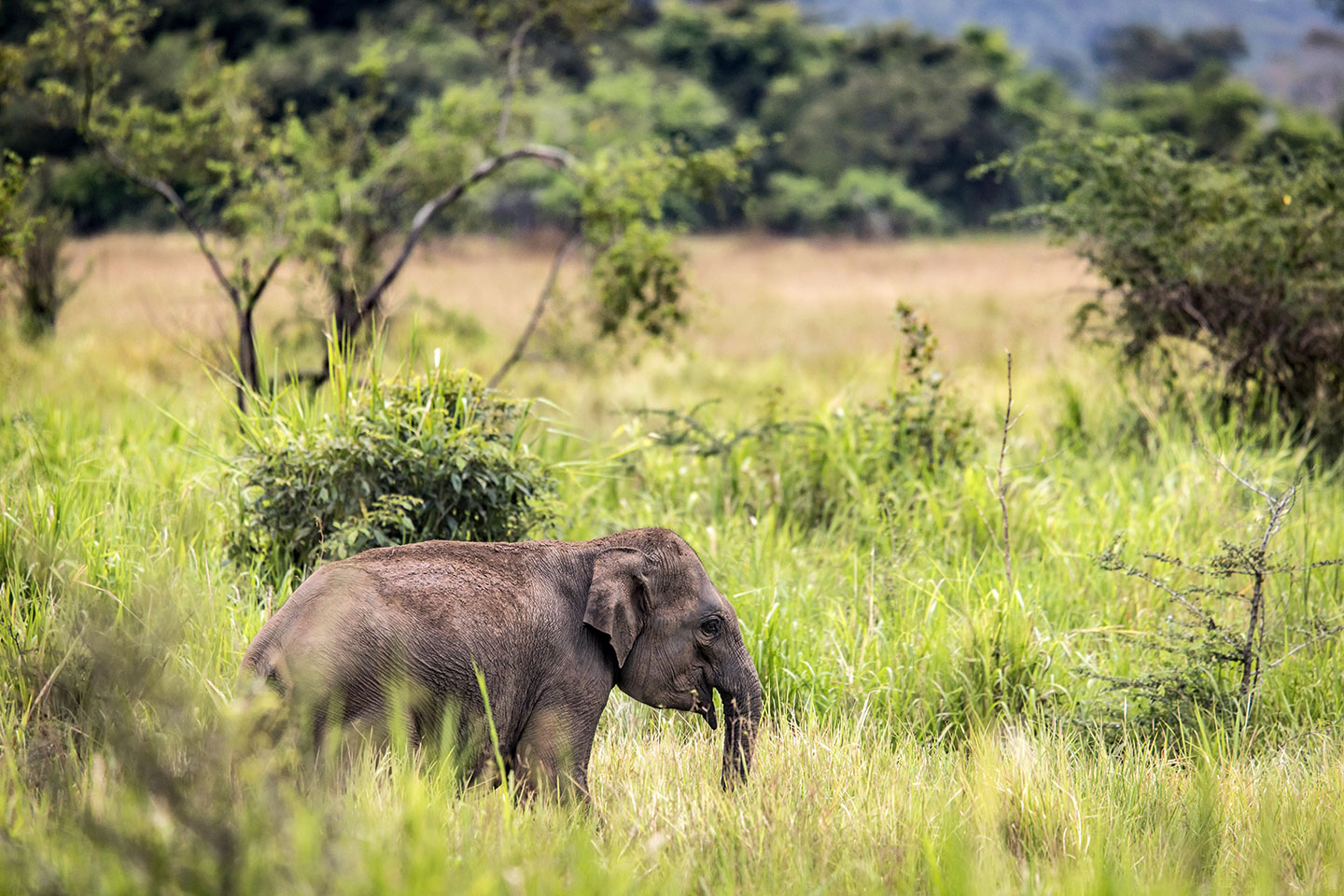
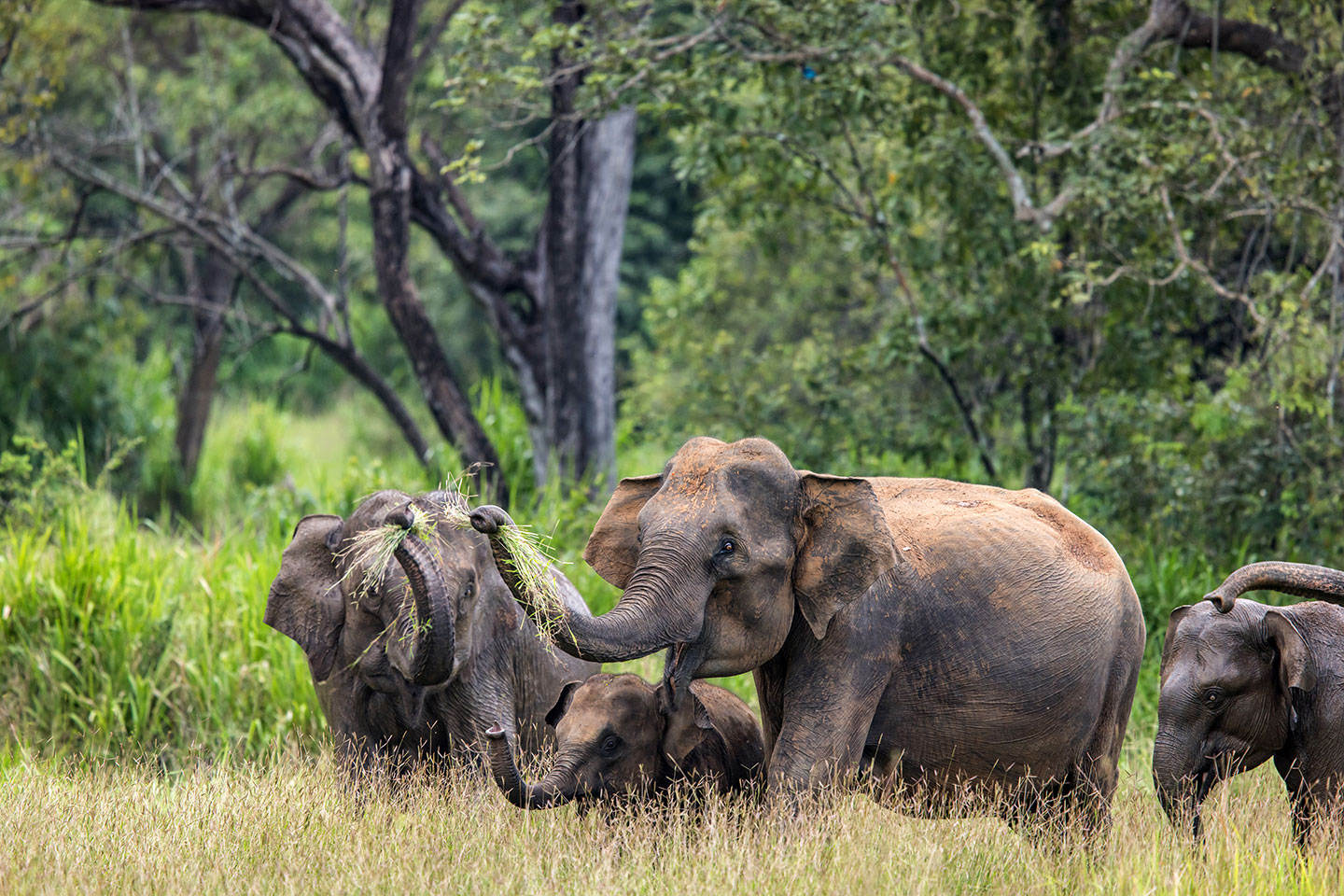
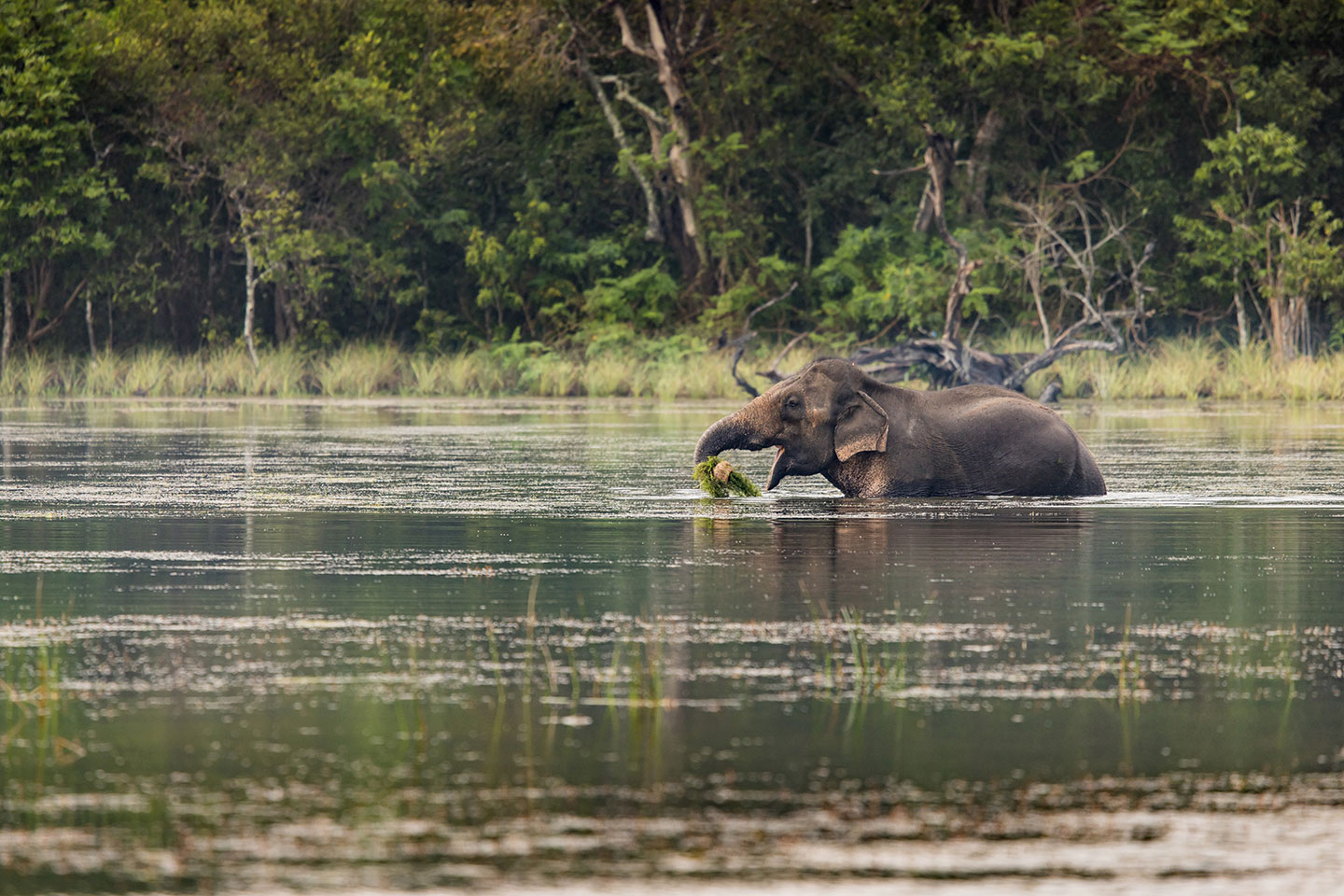
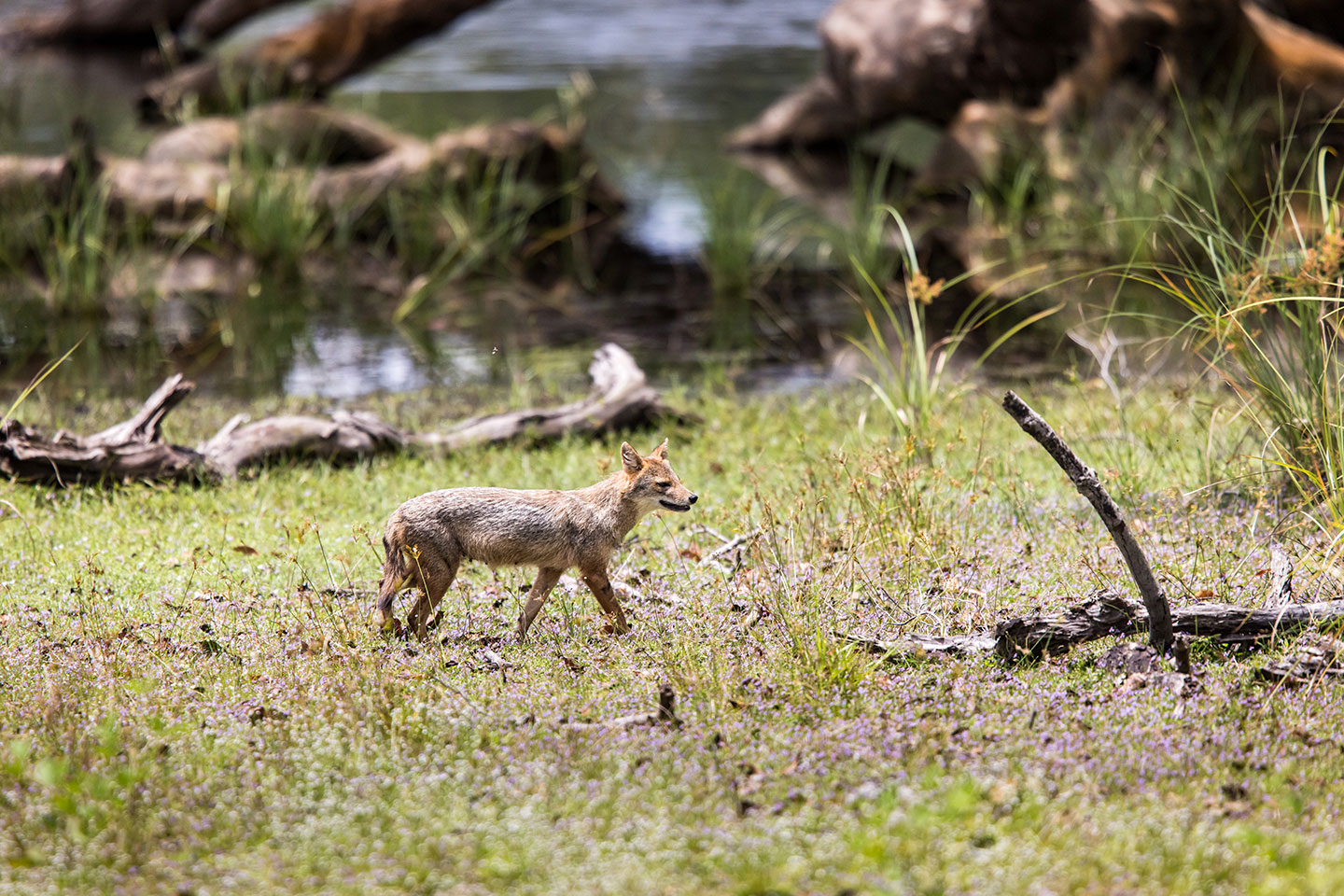
A few hours away from Nuwara Eliya, the Wasgamuwa National Park is a great place to see families of Asian elephants. I spent two days at the Web of Life wildlife research facility close to the park entrance to observe these animals. In the park, I spotted many birds and a few jackals. I thought I just wasn’t lucky as I didn’t see a single elephant during the entire drive. But then, the driver heard some noise and told me to be patient. You never doubt your safari drivers as they are the experts and know the area and the behavior of the elephants. And indeed, he was right. As the sun was setting over the plains, I got rewarded with a family of many elephants, including several babies, grazing through the tall grass.

Sigiriya and the Dambulla Cave temples
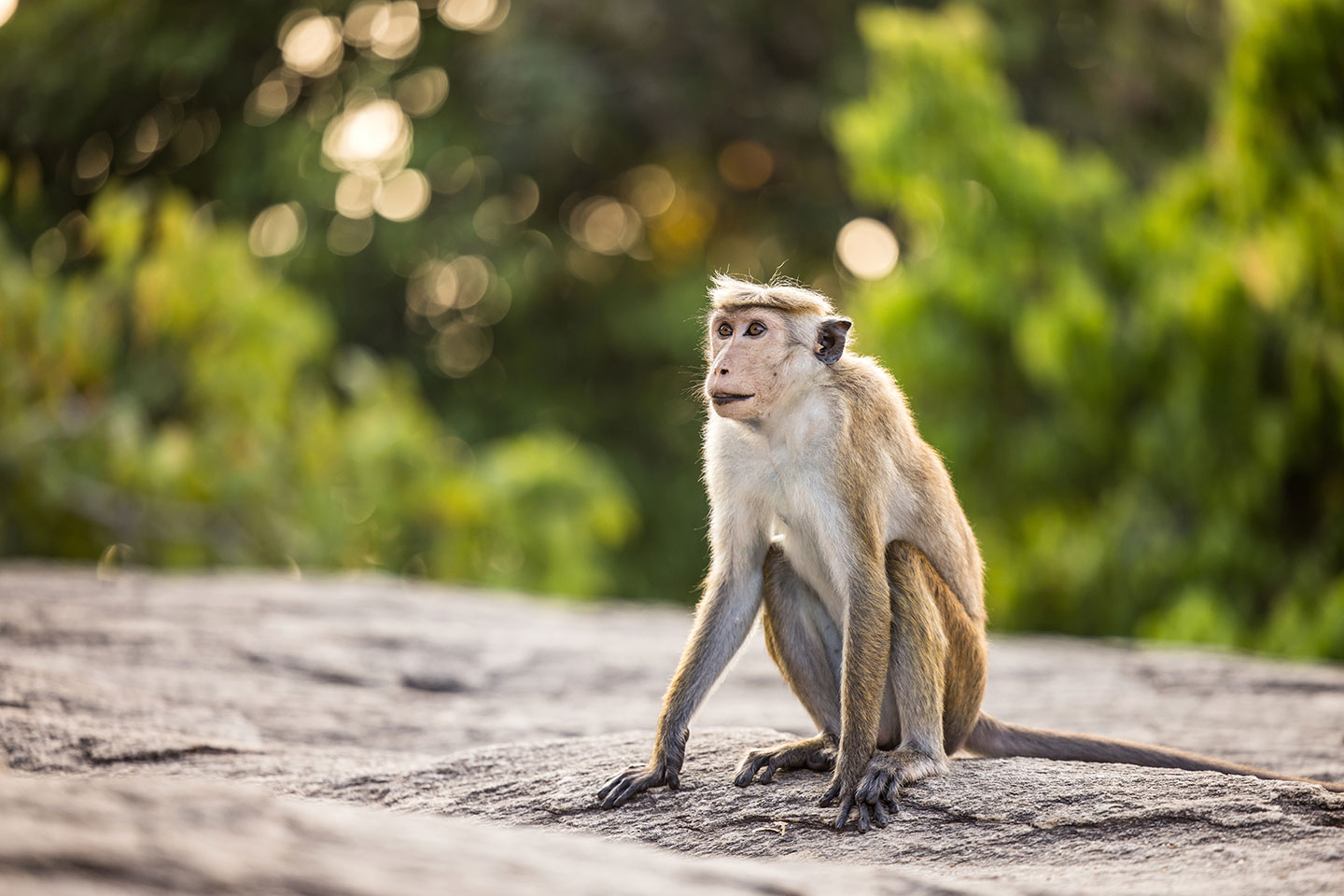
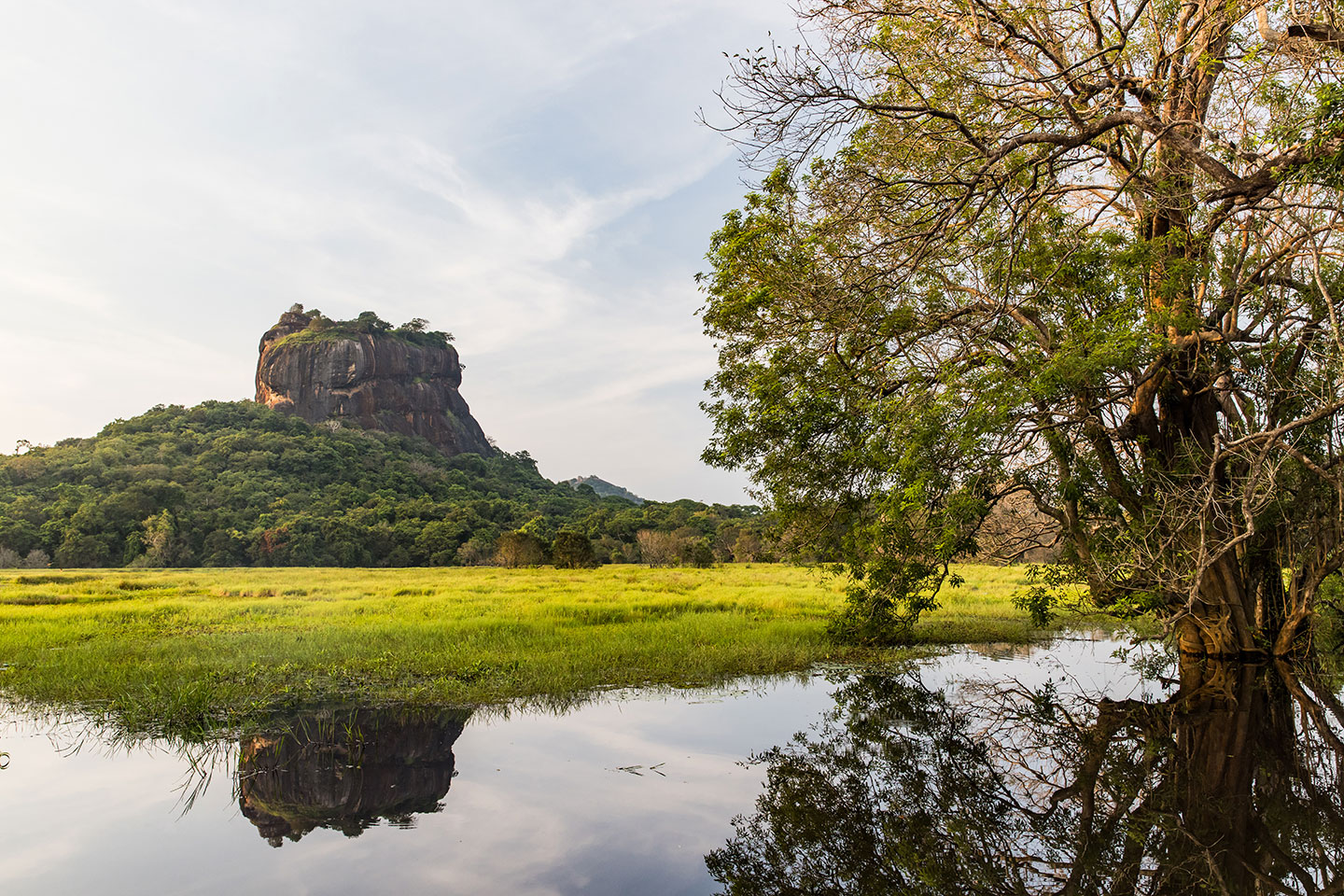
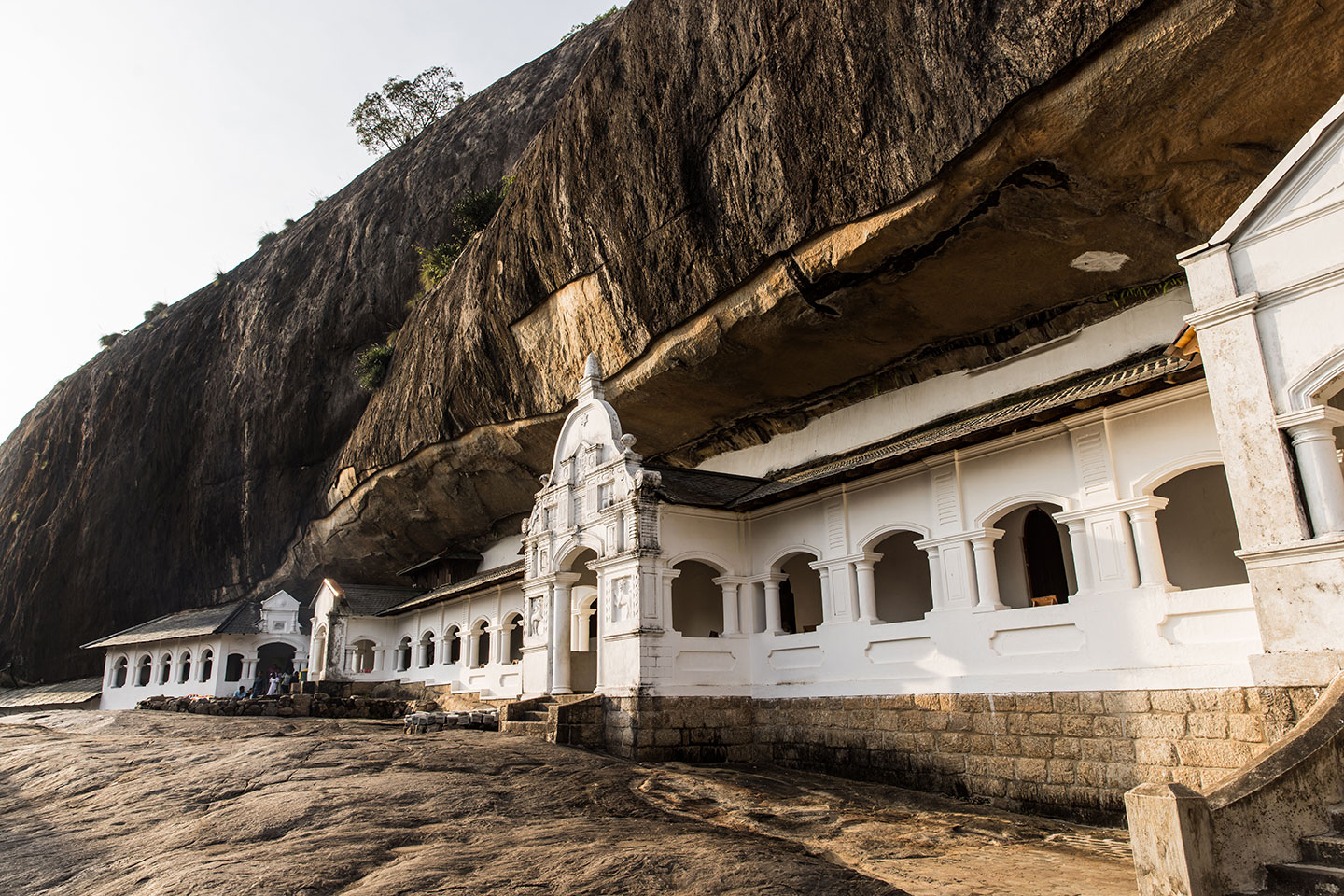
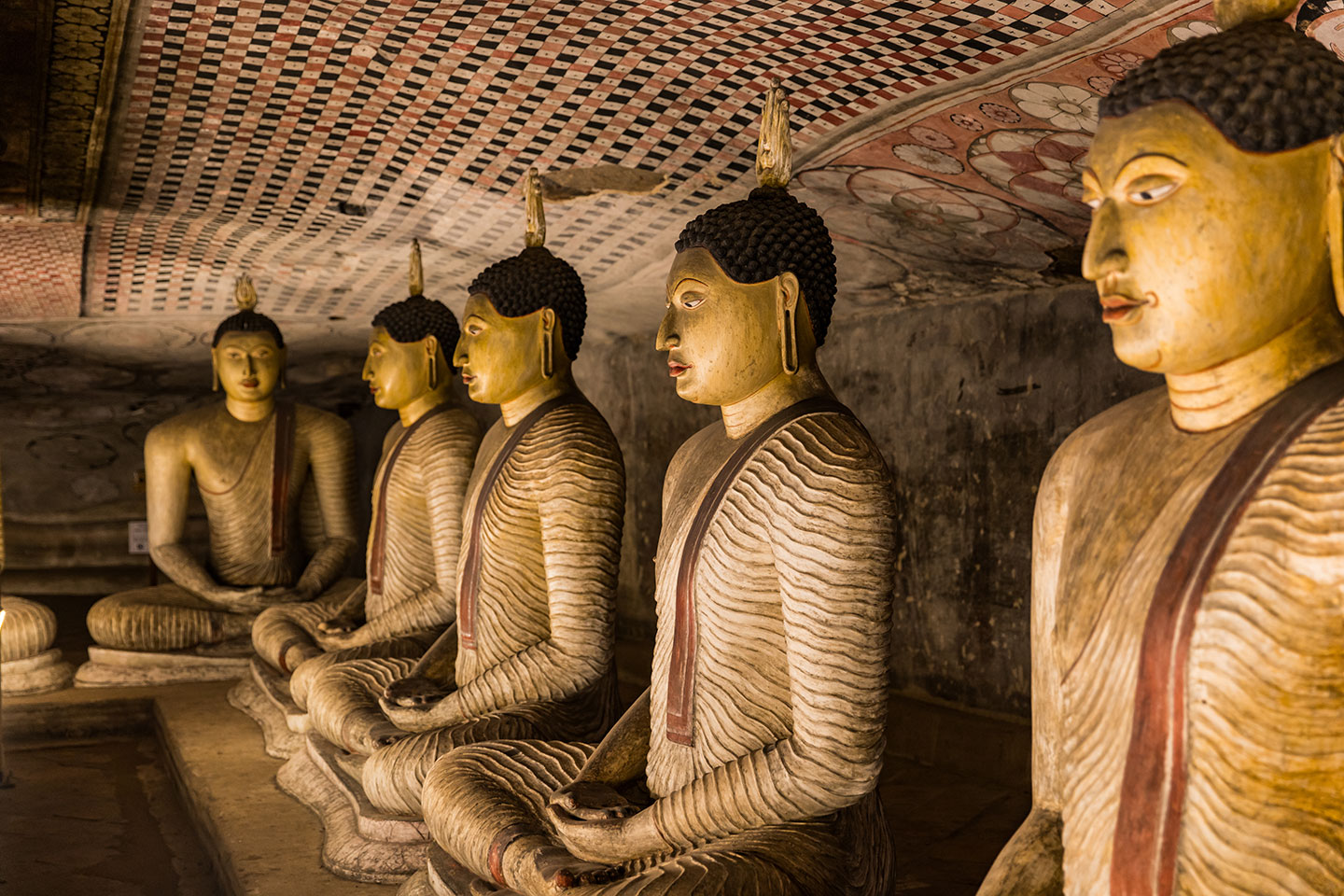
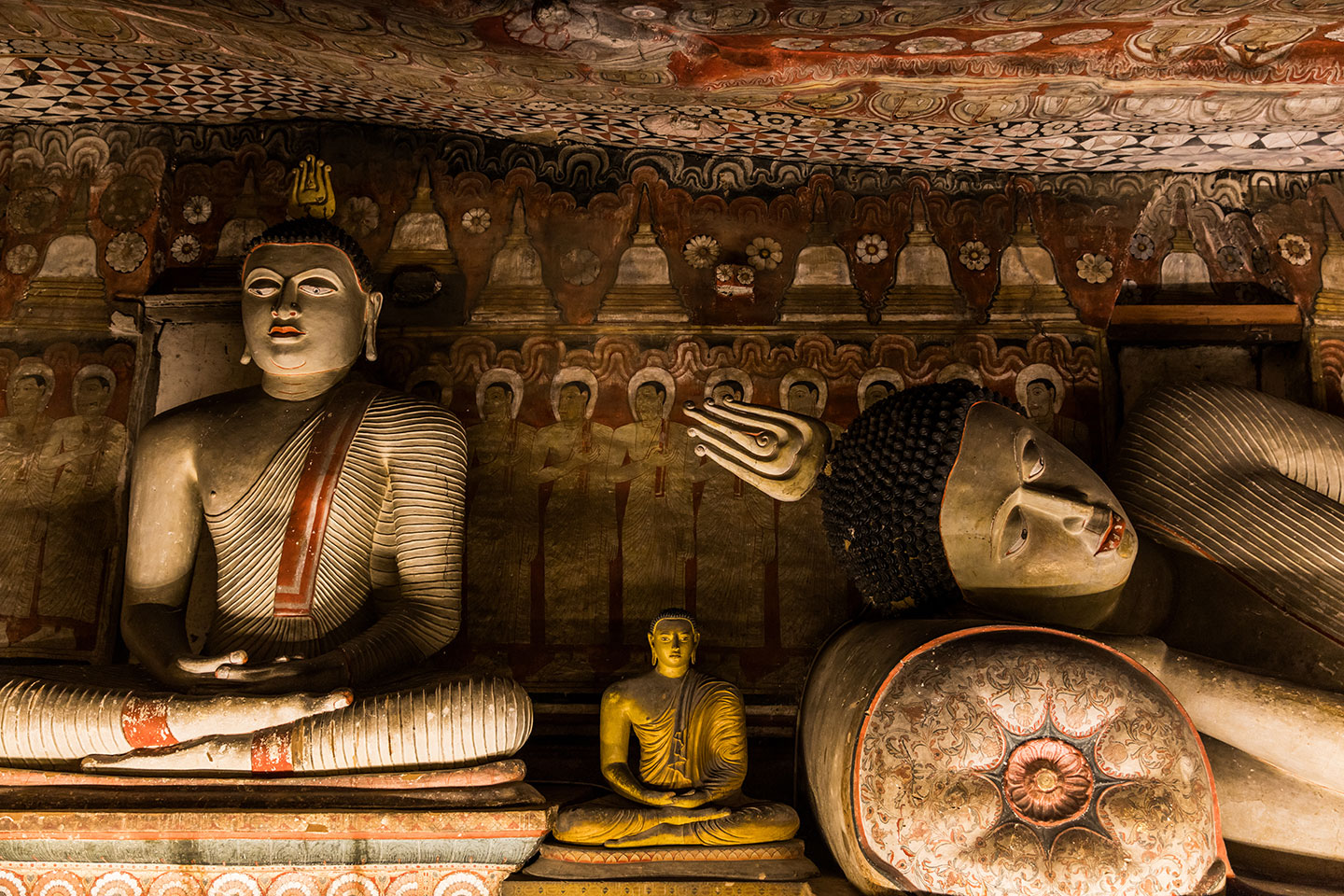
If you google Sri Lanka’s best places to go, almost all blogs will tell you to go to Sigiriya. The town of Sigiriya is known for it’s Lion’s Rock, a massive granite rock that towers over the otherwise flat landscape. Being quite touristy, I decided to skip the hike to the top of Lion’s rock and hiked Pidurangala instead. From this rock, you can actually see Lion’s rock, plus there are a lot less people. I started the hike before sunrise and got to enjoy the sky turn pink as the sun was rising, surrounded by a family of curious macaque monkeys that lives on the rock. Not too far from Sigiriya, you can explore the cave temples of Dambulla. Dating back from the first century BC, the temples are all build inside caves and decorated with statues and impressive painted ceilings. It’s a steep climb up to the caves, but worth the trip.


Ancient temple cities of Polonnaruwa and Anuradhapura
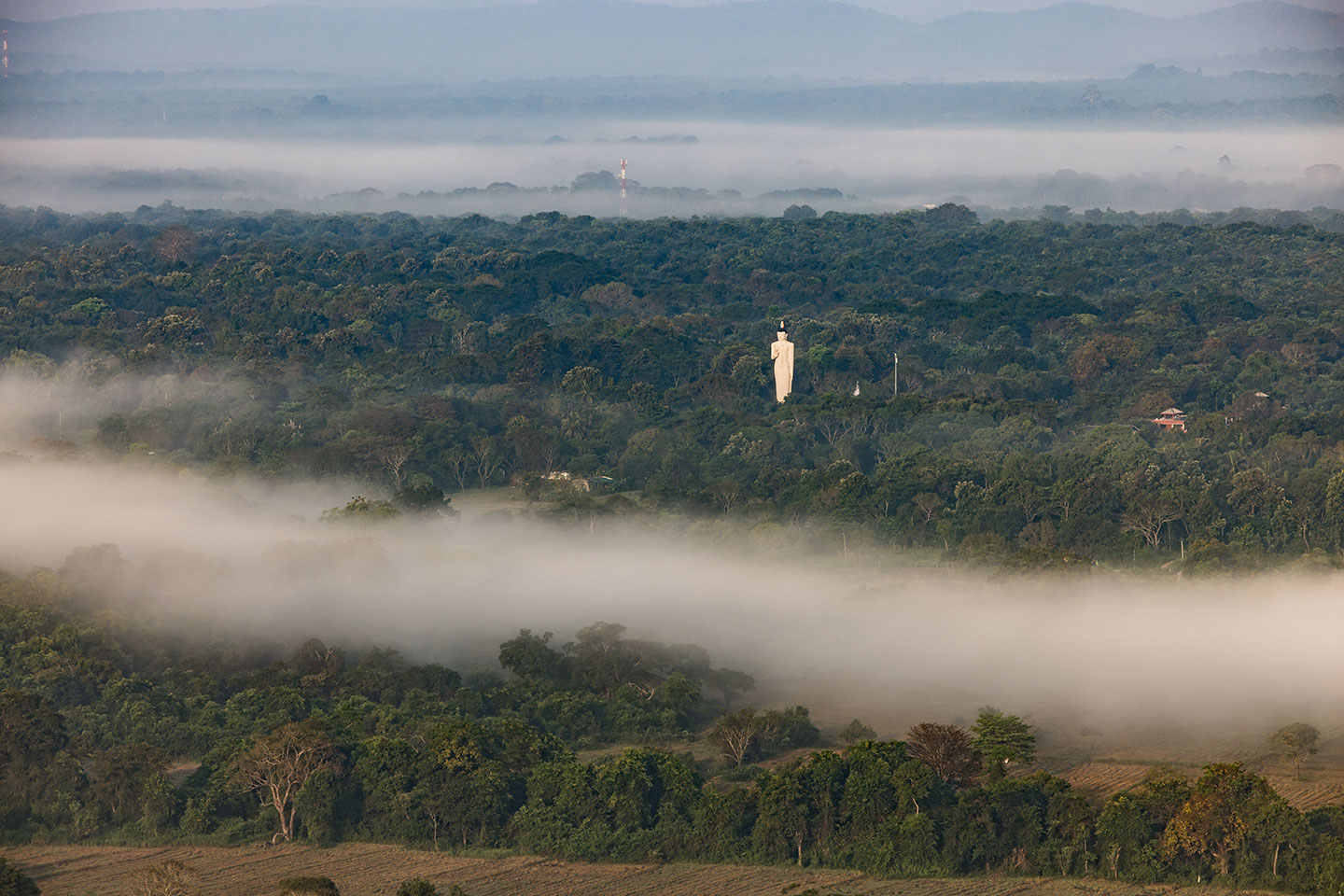
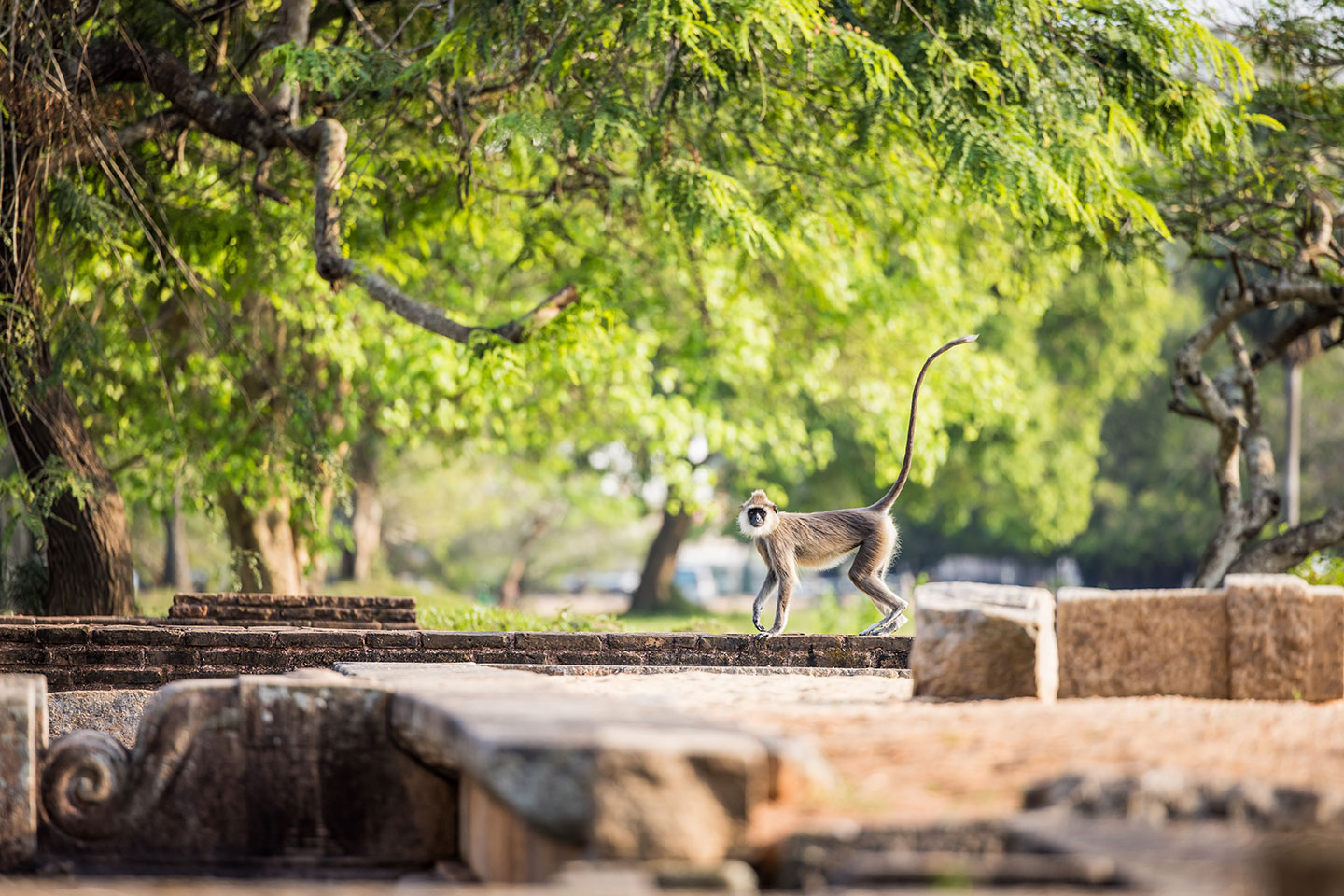
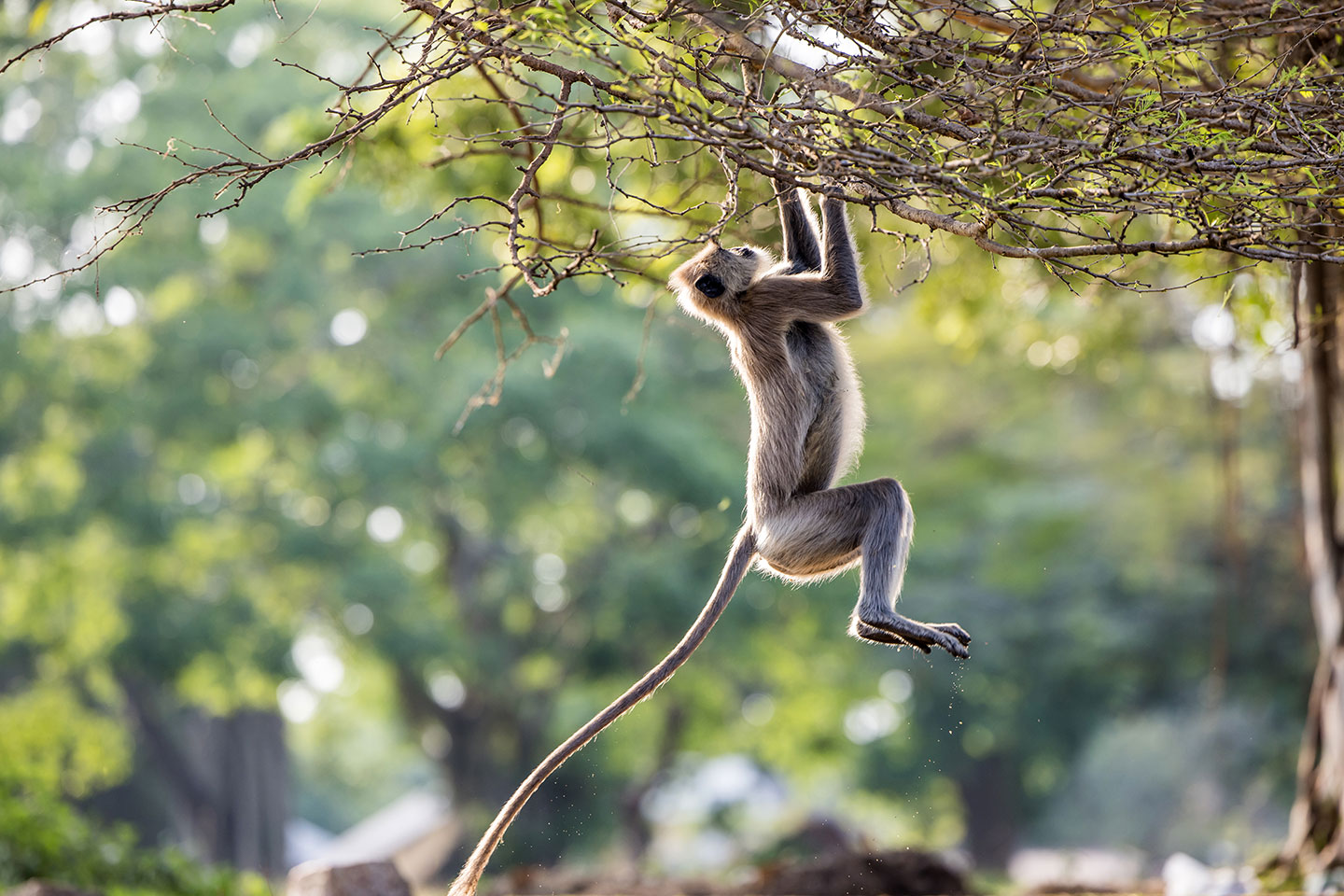
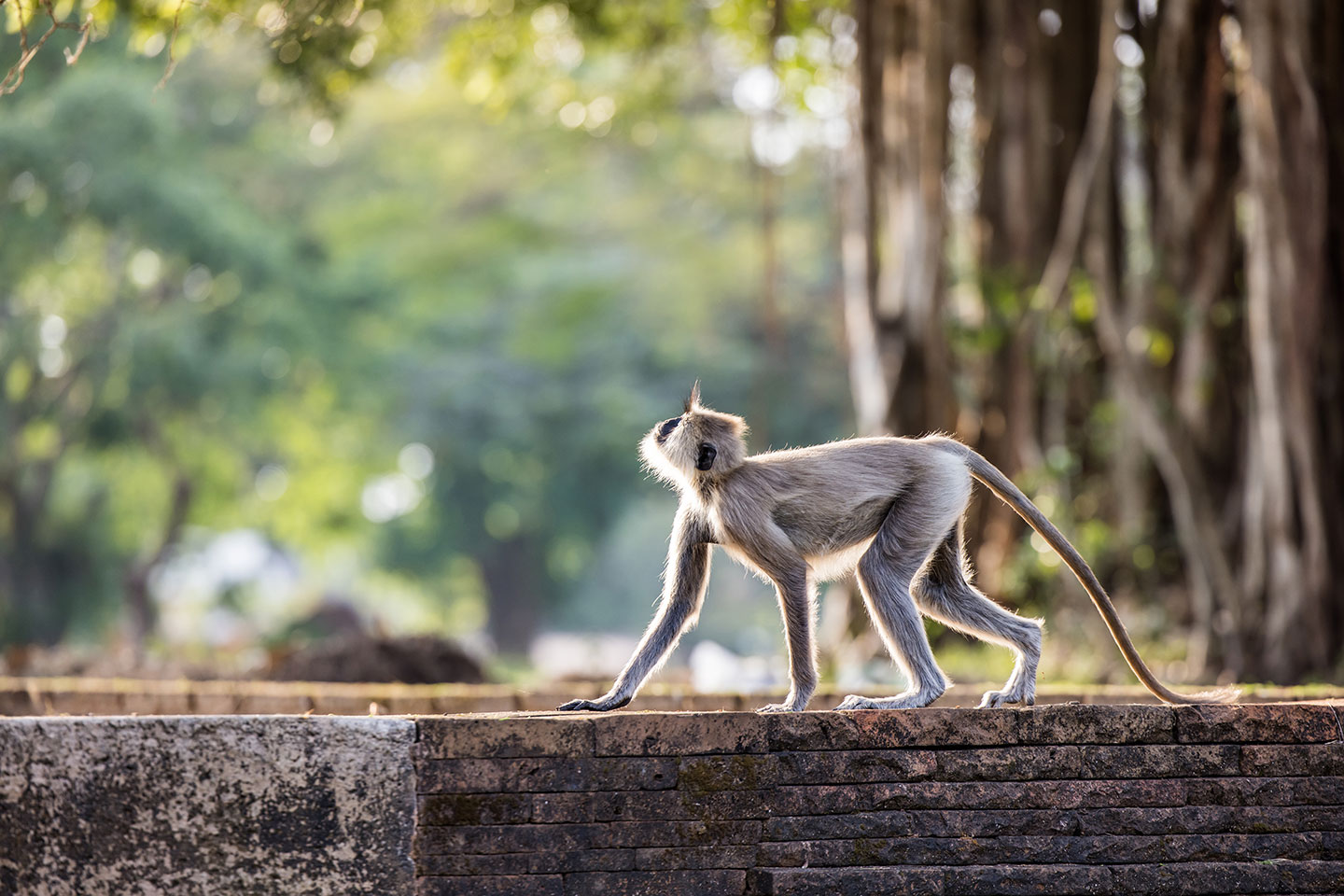
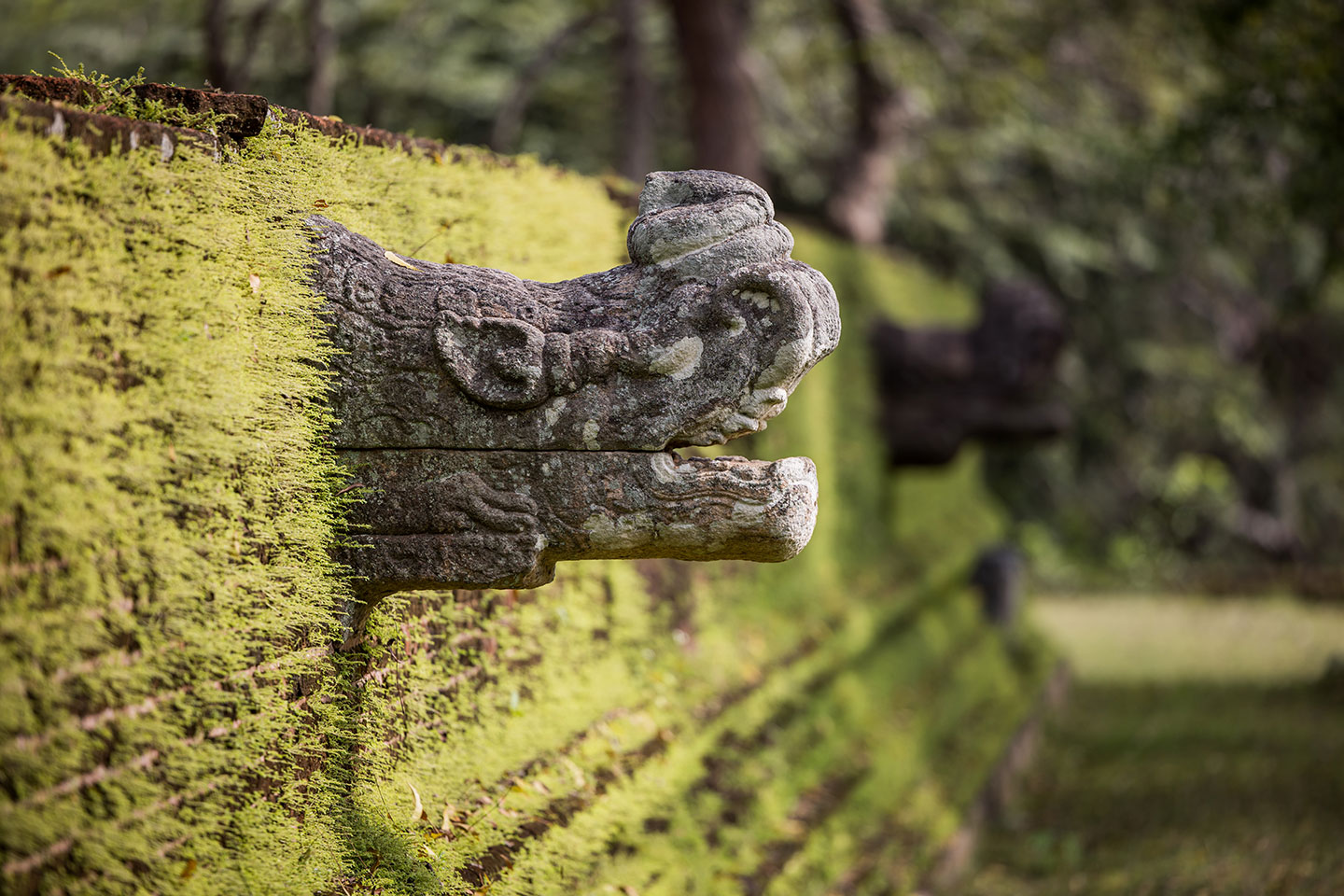
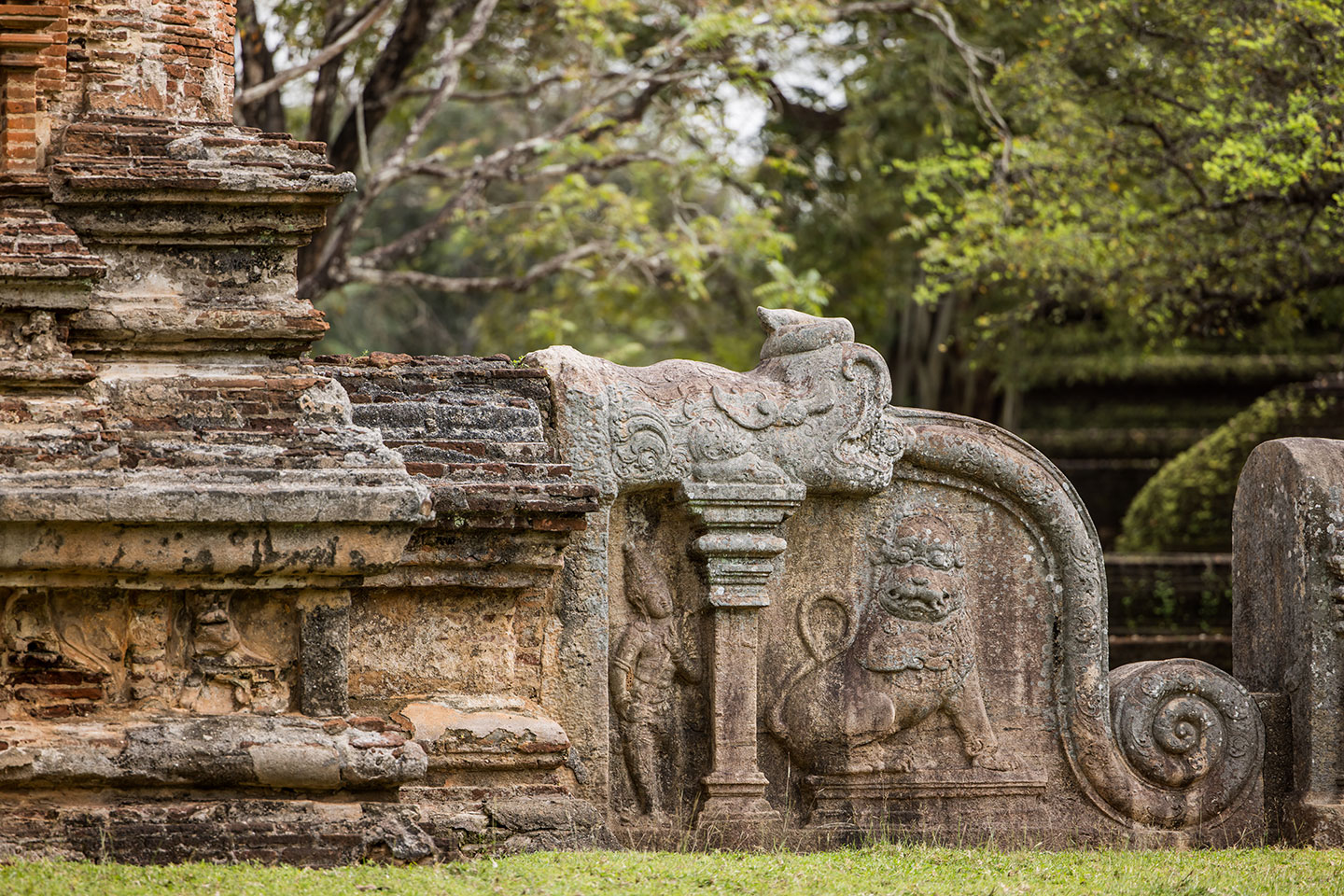
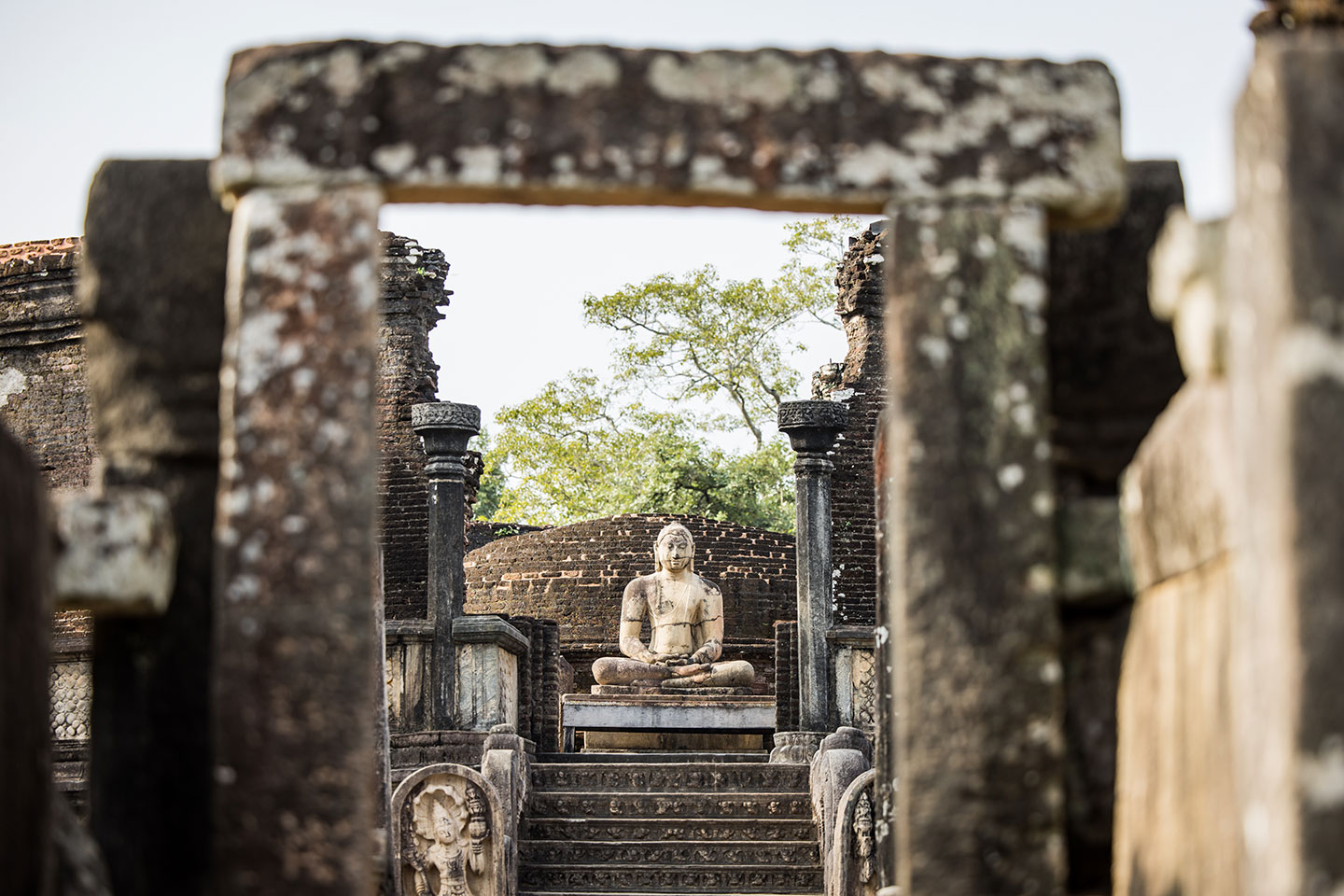
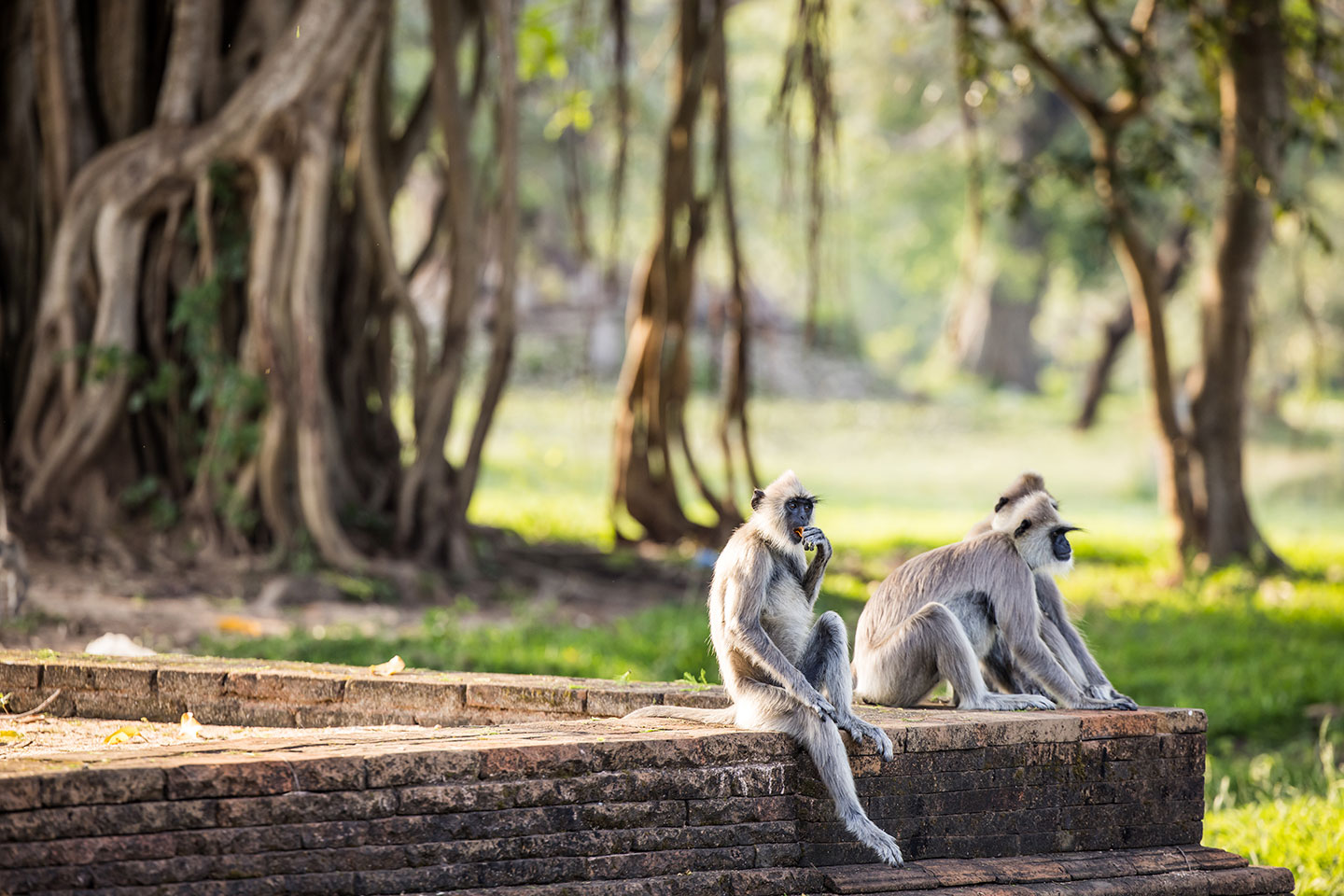
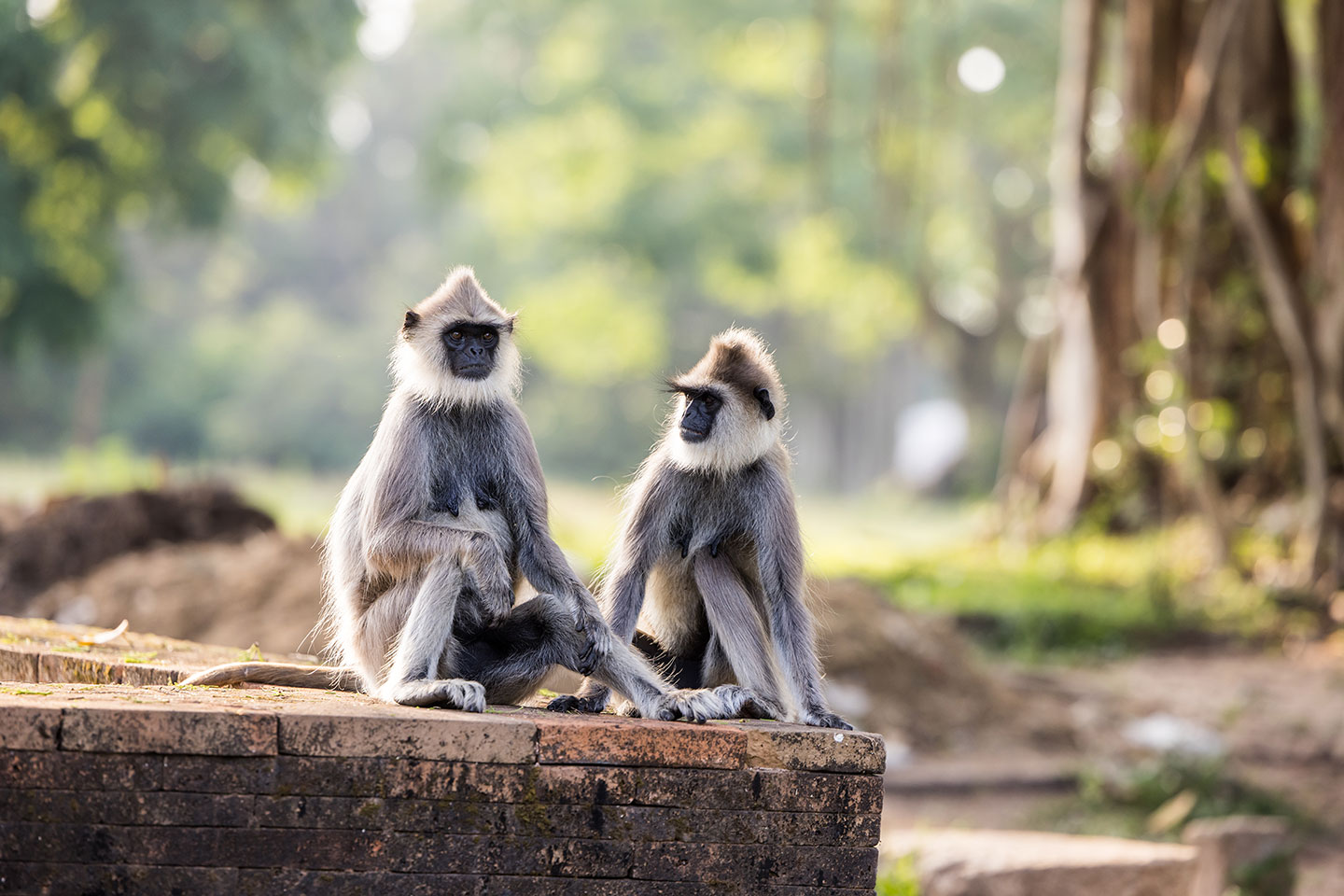
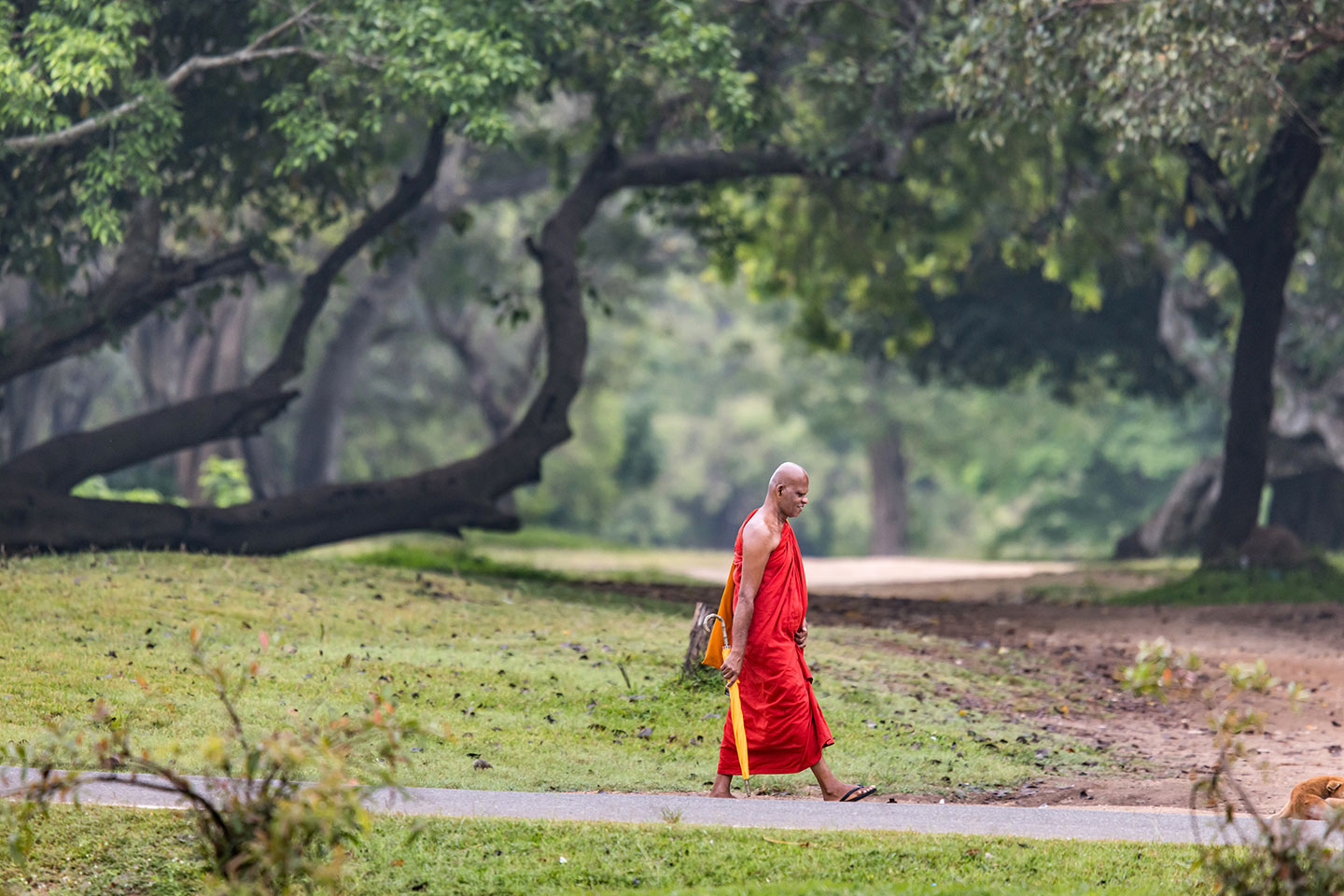
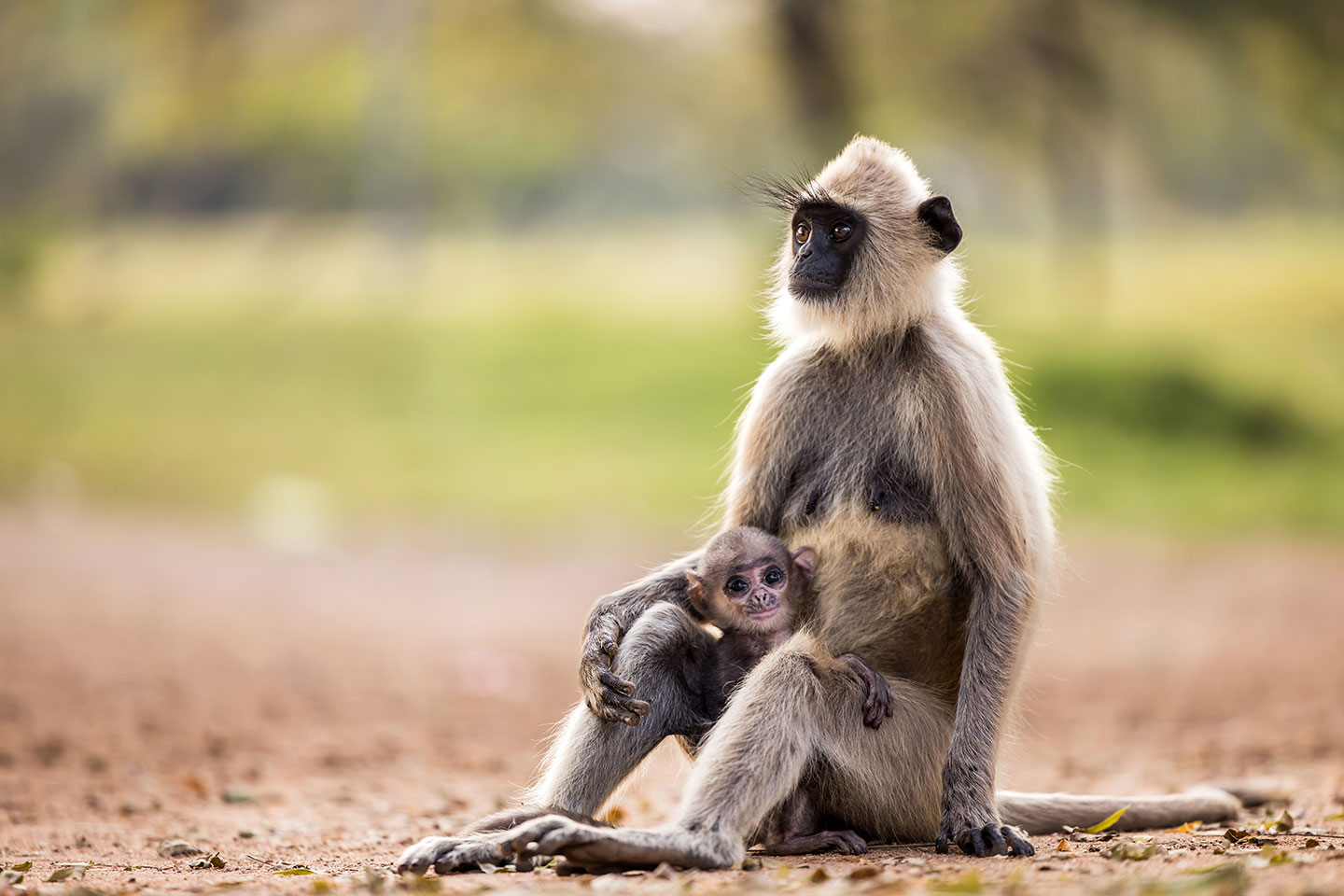
Buddhism is an important element of daily life in Sri Lanka, and the cities of Polonnaruwa and Anuradhapura are a great way to explore the religion and culture of this island. Polonnaruwa was the second capital of Sri Lanka after the destruction of Anuradhapura in 993. Filled with ruins of palaces and temples from the 11th and 12th century, I explored the ancient city grounds before the heat kicked in. This place felt like Sri Lanka’s version of Angkor Wat in Cambodia and had a very relaxed vibe to it. Anuradhapura was even more of a hidden gem, and I really enjoyed this city. In the middle of the bustling city center is a giant temple complex with stupas and temples dating back as far as 200 AD. There are also thousands of monks living in the city still and langur monkeys roam the property grounds everywhere you look. What makes Anuradhapura so special is that it’s not tourist at all, so you really get to experience the daily life and the chaos that comes with it. The locals here don’t shy away from asking you what brings you to their city, and they enjoy starting conversations.



Wilpattu National Park – Sri Lanka’s oldest and largest national park, home to many leopards
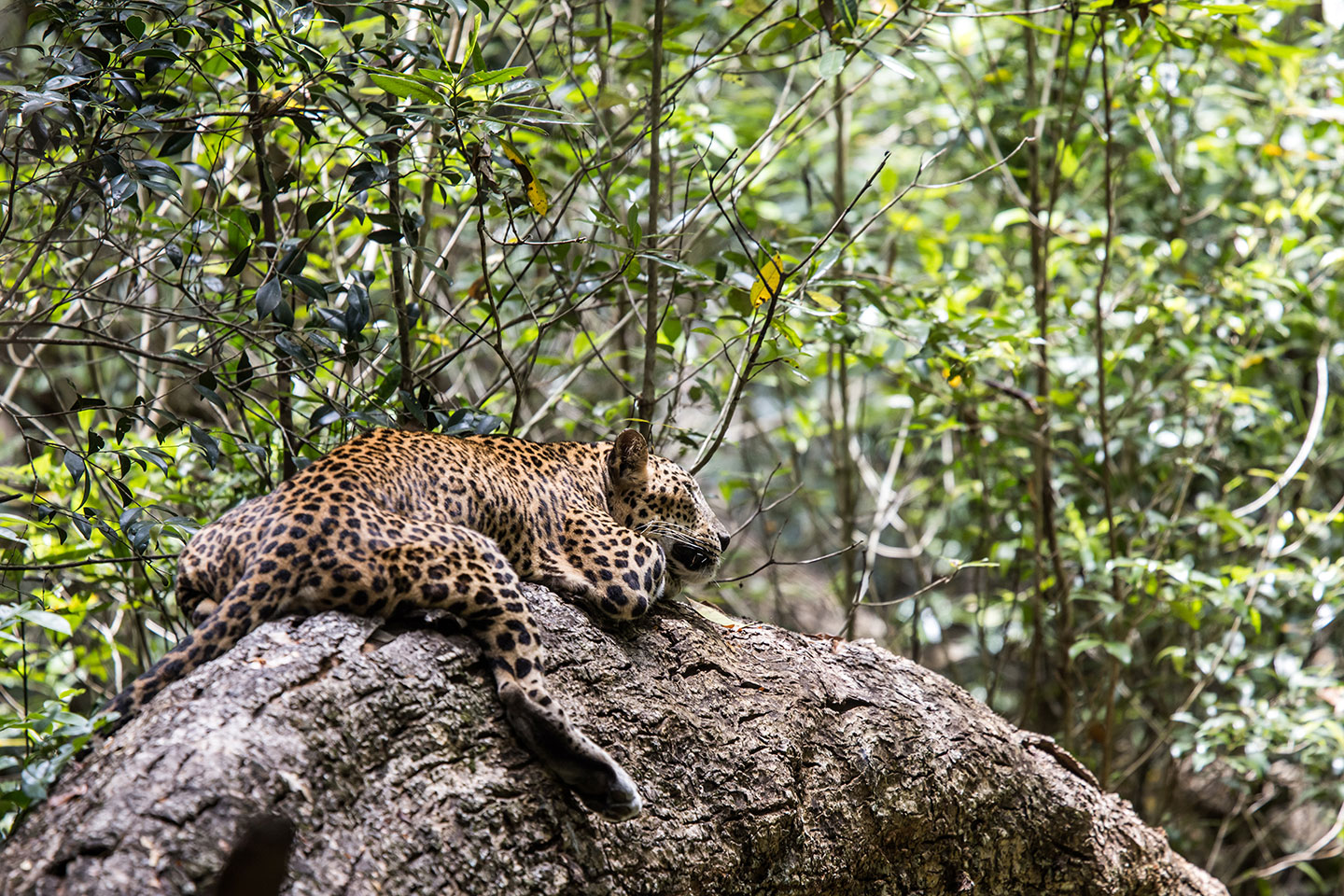
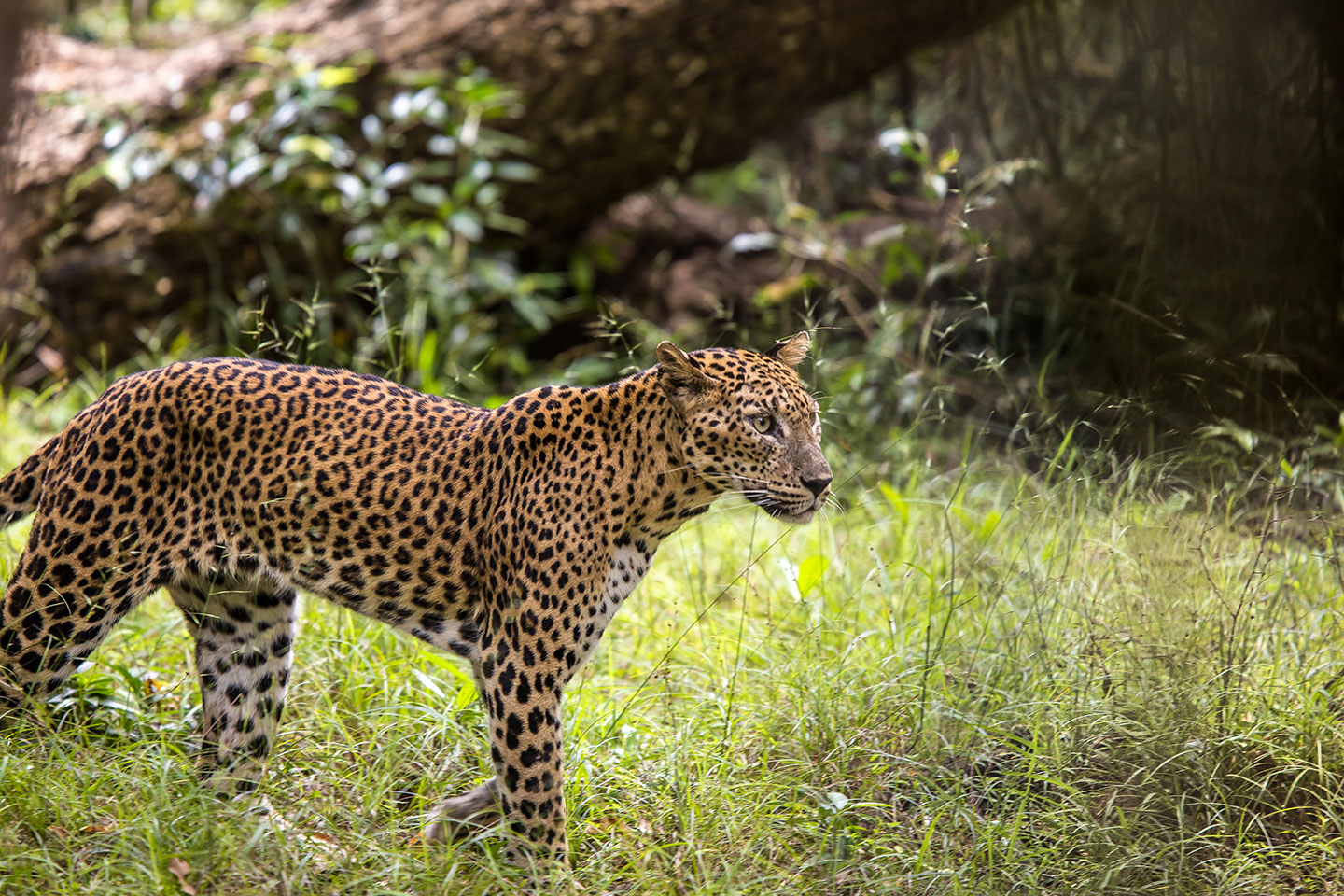
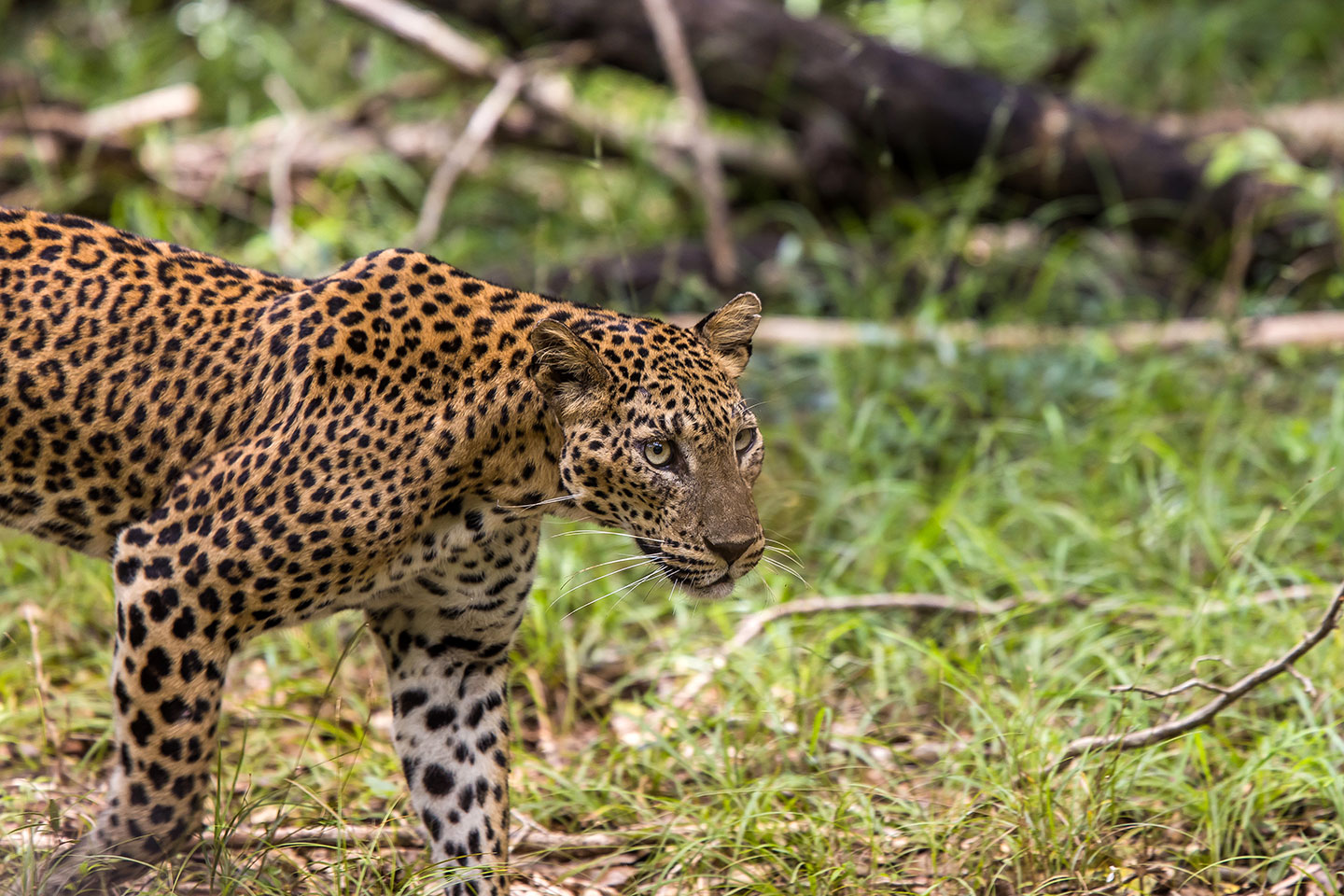
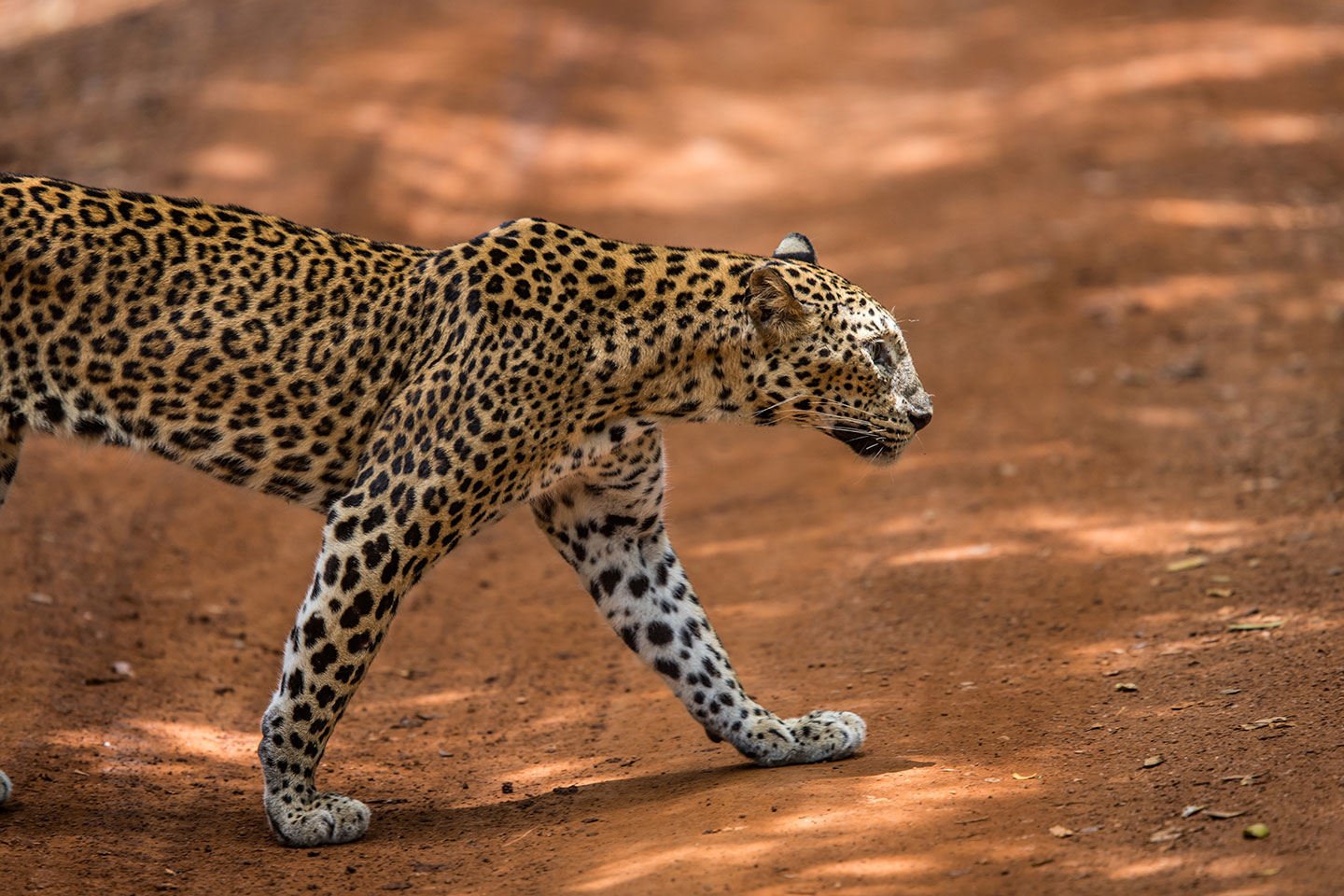
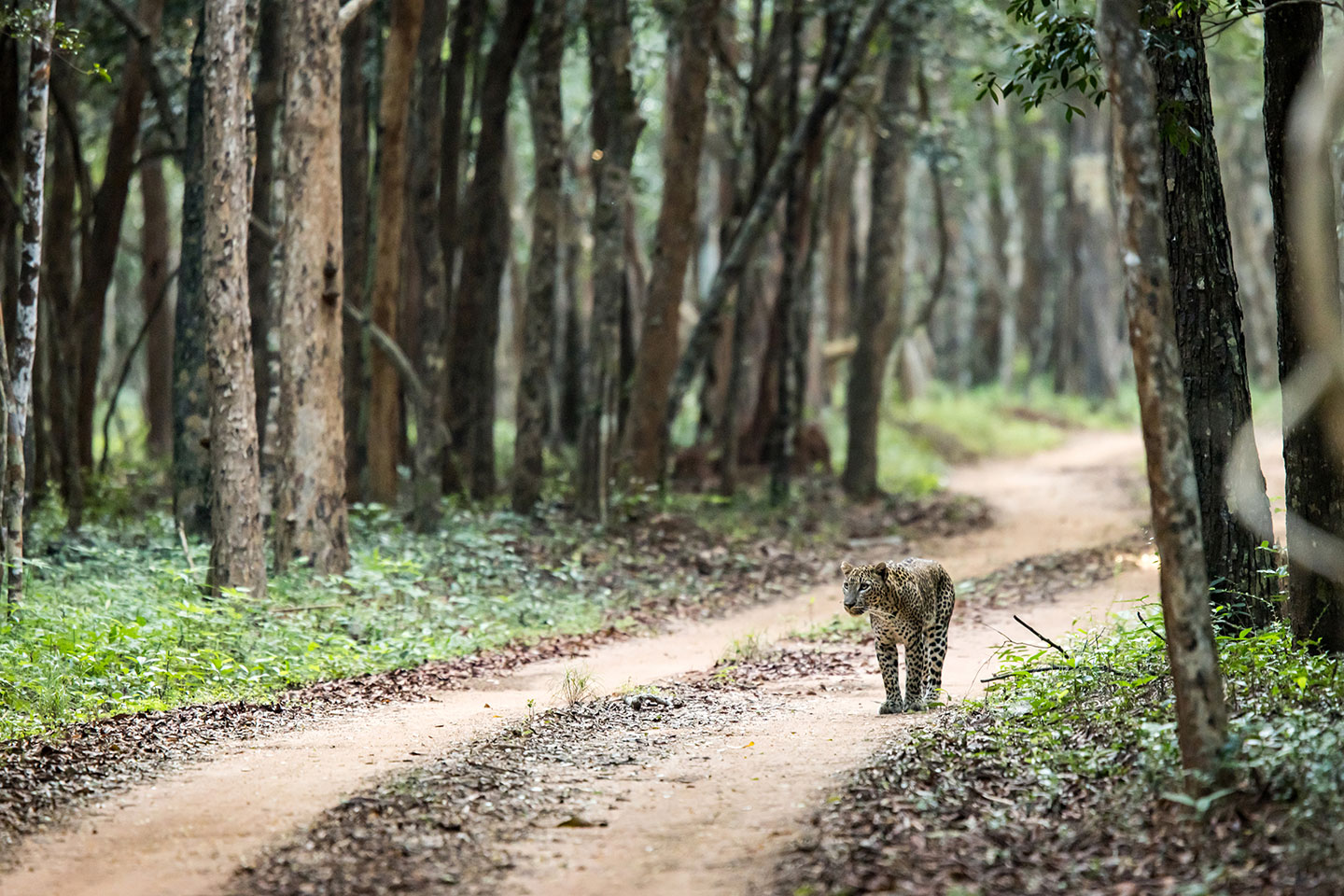
After having explore these temple cities, it was time to test my luck to see leopards as I didn’t really get to see them up close in Yala. So, I headed over to Wilpattu National Park, Sri Lanka’s first and largest national park. The infrastructure is not as developed, which means there are much less safari vehicles. I started the day with high hopes but low expectations, but that quickly changed as I spotted the first leopard within an hour. After that, I got rewarded to several more sightings and one leopard even walking right past the safari truck! Besides that, I saw tons of other wildlife before it started to pour down. On the way out, we even spotted two sloth bears, but they managed to get away before I could get my camera out. Ah well, I guess I have to come back to Sri Lanka one day!

Travel photography Sri Lanka | Sri Lanka best places to visit