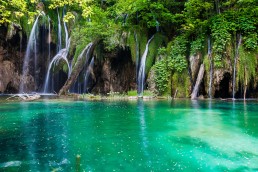
After a wonderful two-week trip on the North Island, I took the ferry over to explore New Zealand’s South Island for two weeks. Here, the landscape is very different, and so is the climate. With snowcapped mountains, glacial lakes, and fjords, the South Island is a great opportunity for travel photography.
Wharariki beach
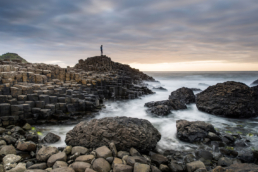
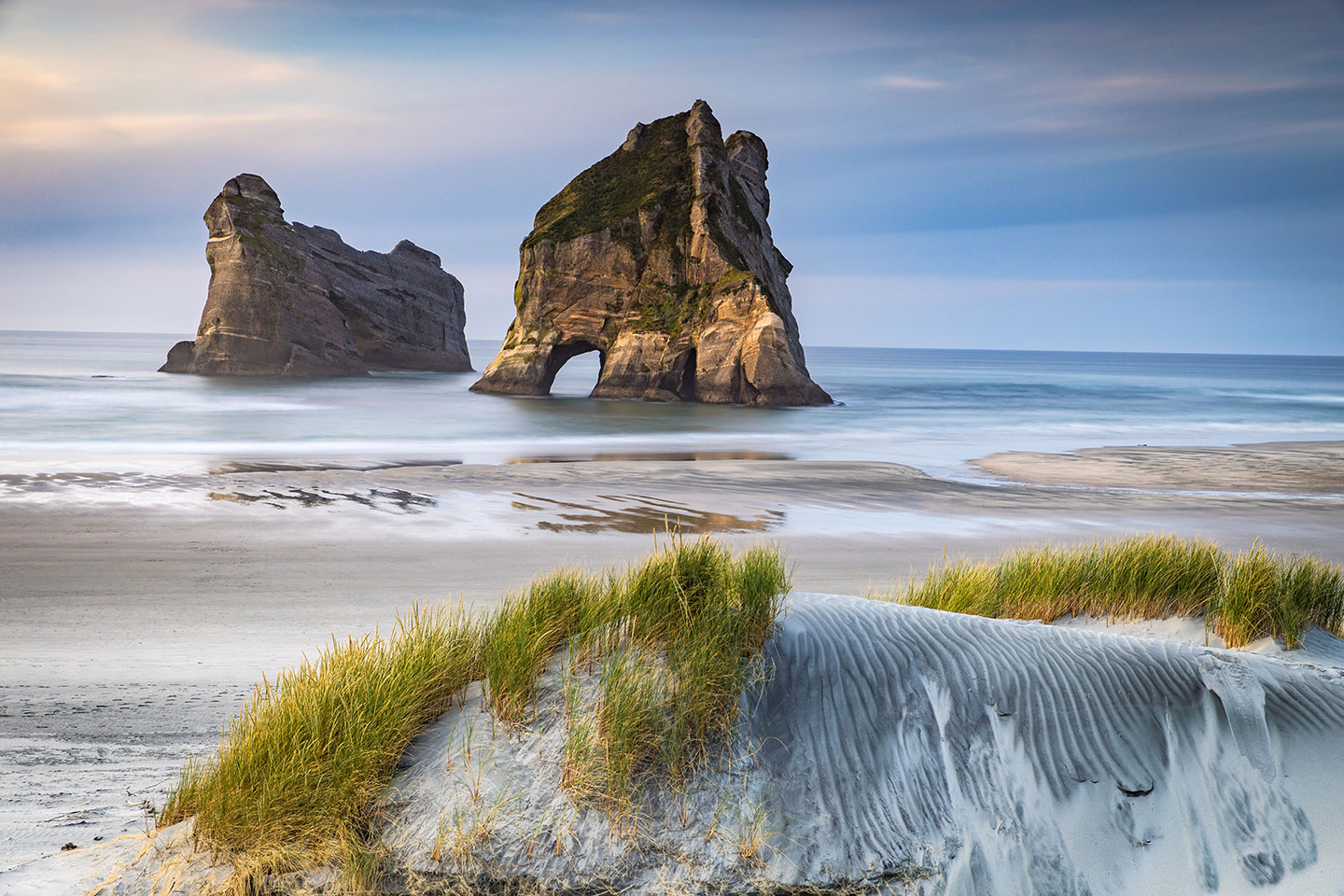
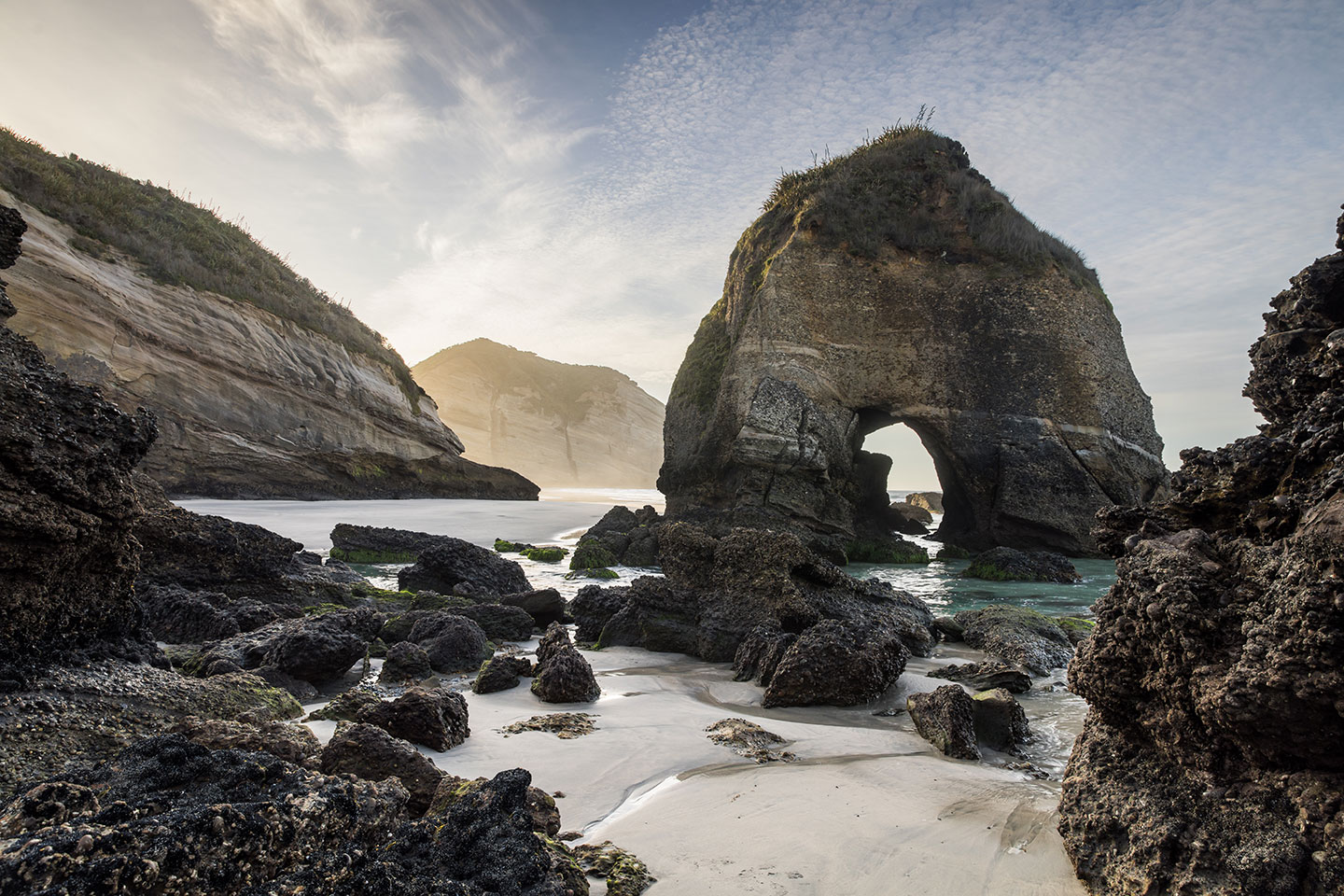
My first stop on the South Island was also the northern most point: Wharariki beach. This beach is famous for being the Windows screensaver with the arch, but there is much more to it than that. It’s important to plan your trip here according to the tides so you can fully enjoy this beautiful coastline. I arrived at low tide and had the opportunity to explore the coves and rock formations relatively close. As the sun was setting, I enjoyed a beautiful sunset in the white sand dunes, overlooking the famous rock formation that towers out of the water.
For an exact location where the photo was taken, you can save the photo or hover over it.


Punakaiki Pancake rocks
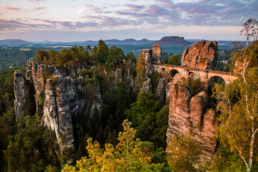
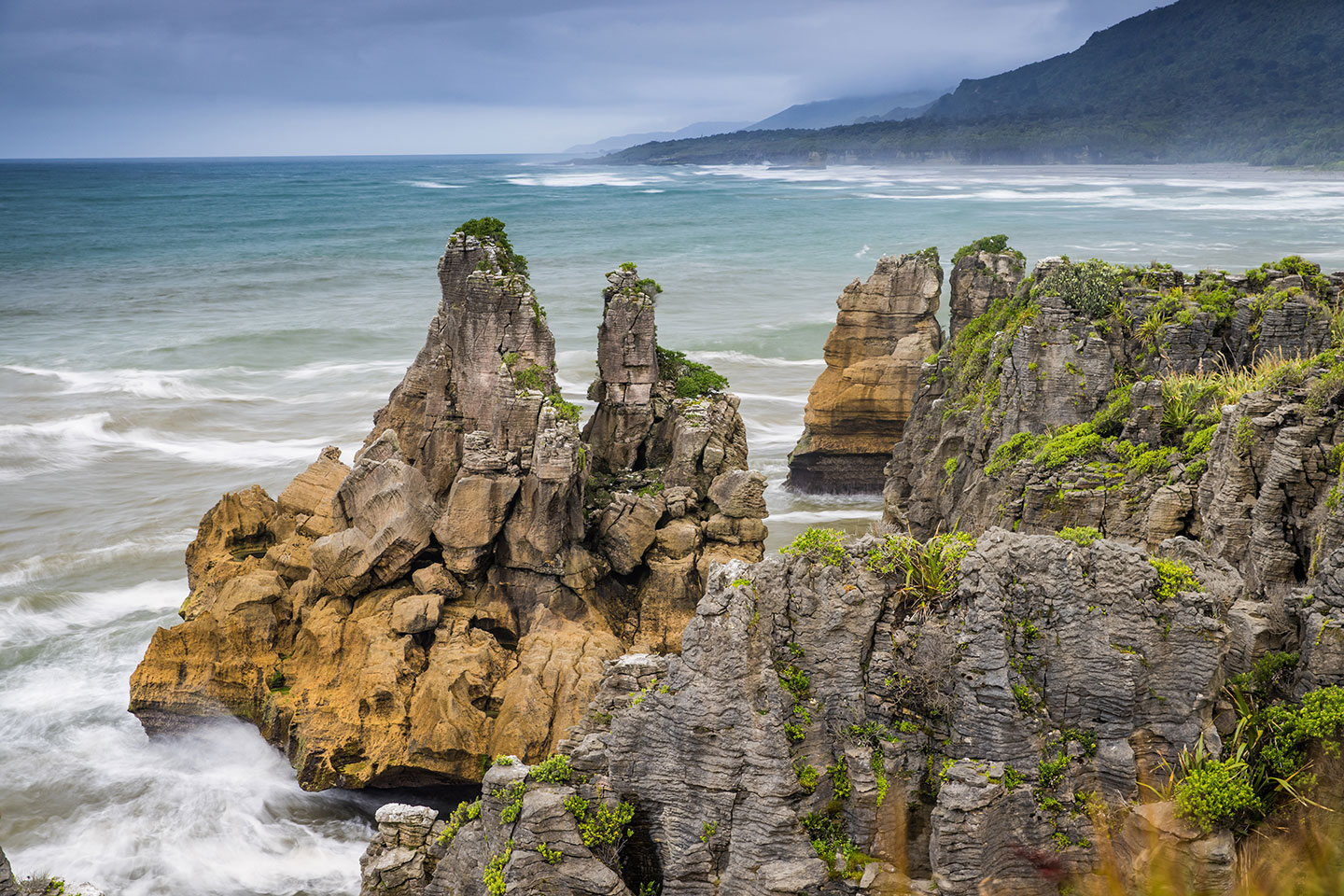
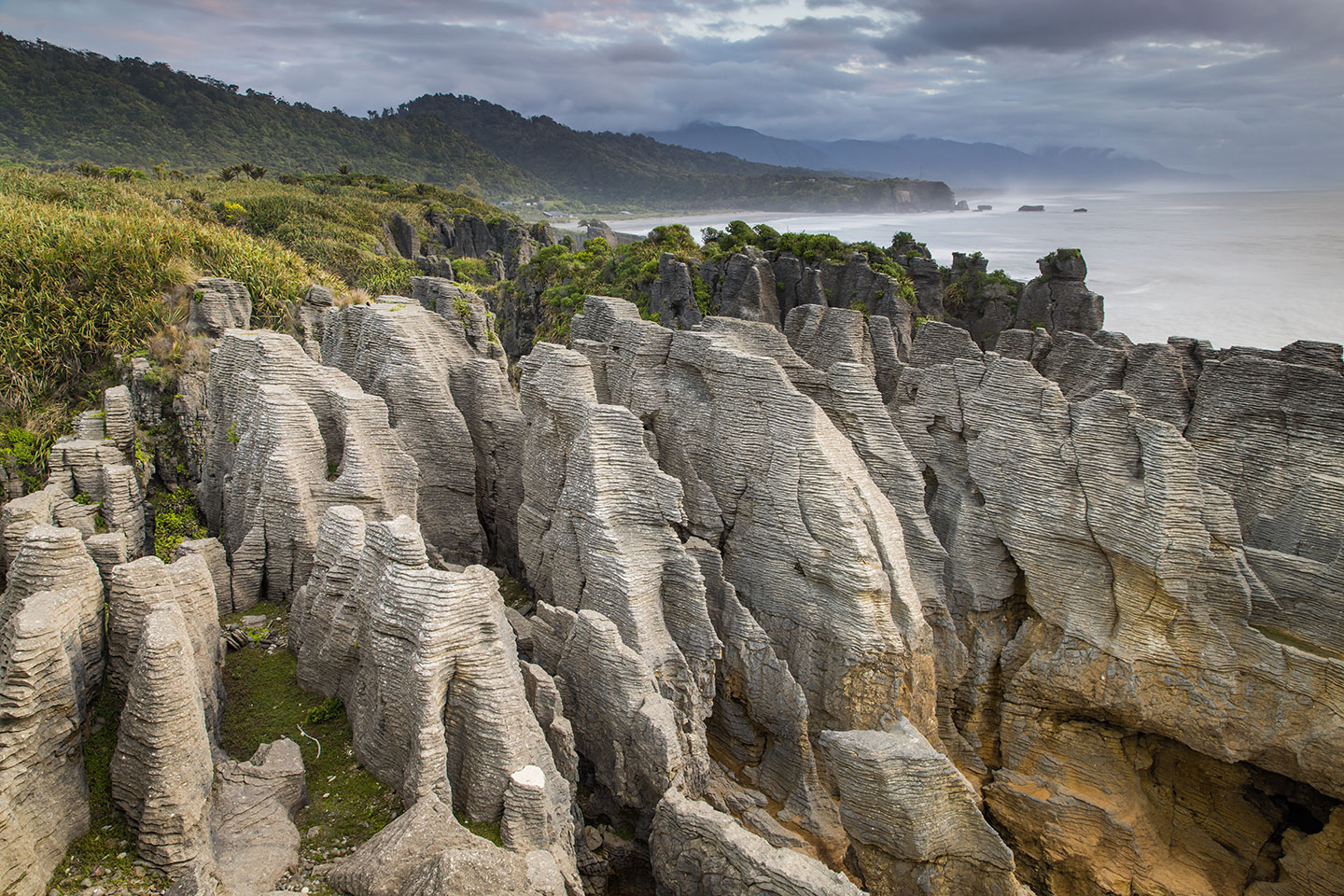
The weather in New Zealand does whatever it wants and you can experience any weather type in one day. As I left the north to head down the west coast, it rained non-stop during the 5-hour drive, so I couldn’t enjoy the views on the way. Luckily, as I arrived at the Punakaiki Pancake rocks, the rain stopped! The Punakaiki rocks are limestone formations that have been carved out by sea water, exposing the different layers, giving them the nickname ‘pancake rocks’.
Fox glacier and Franz Josef
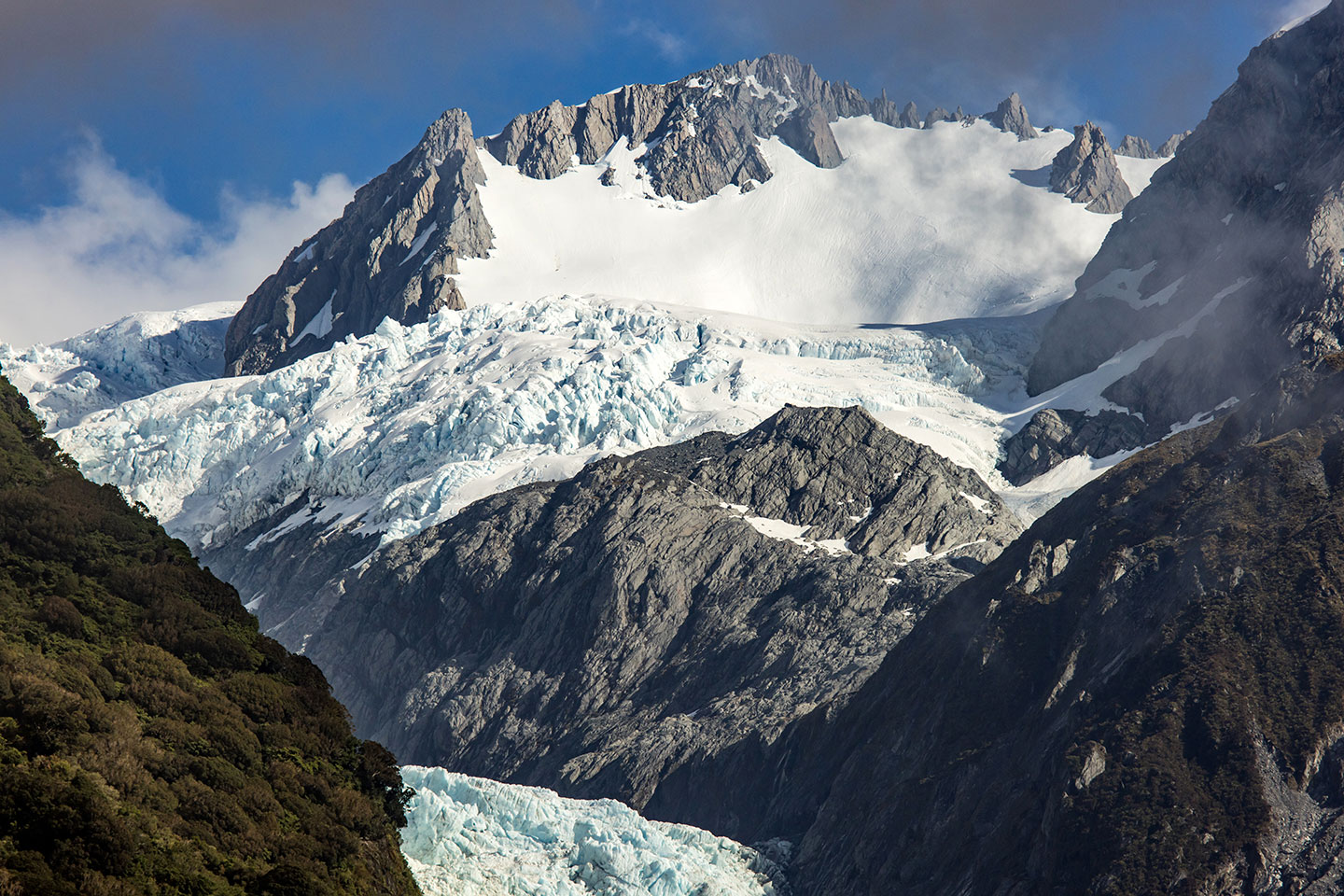
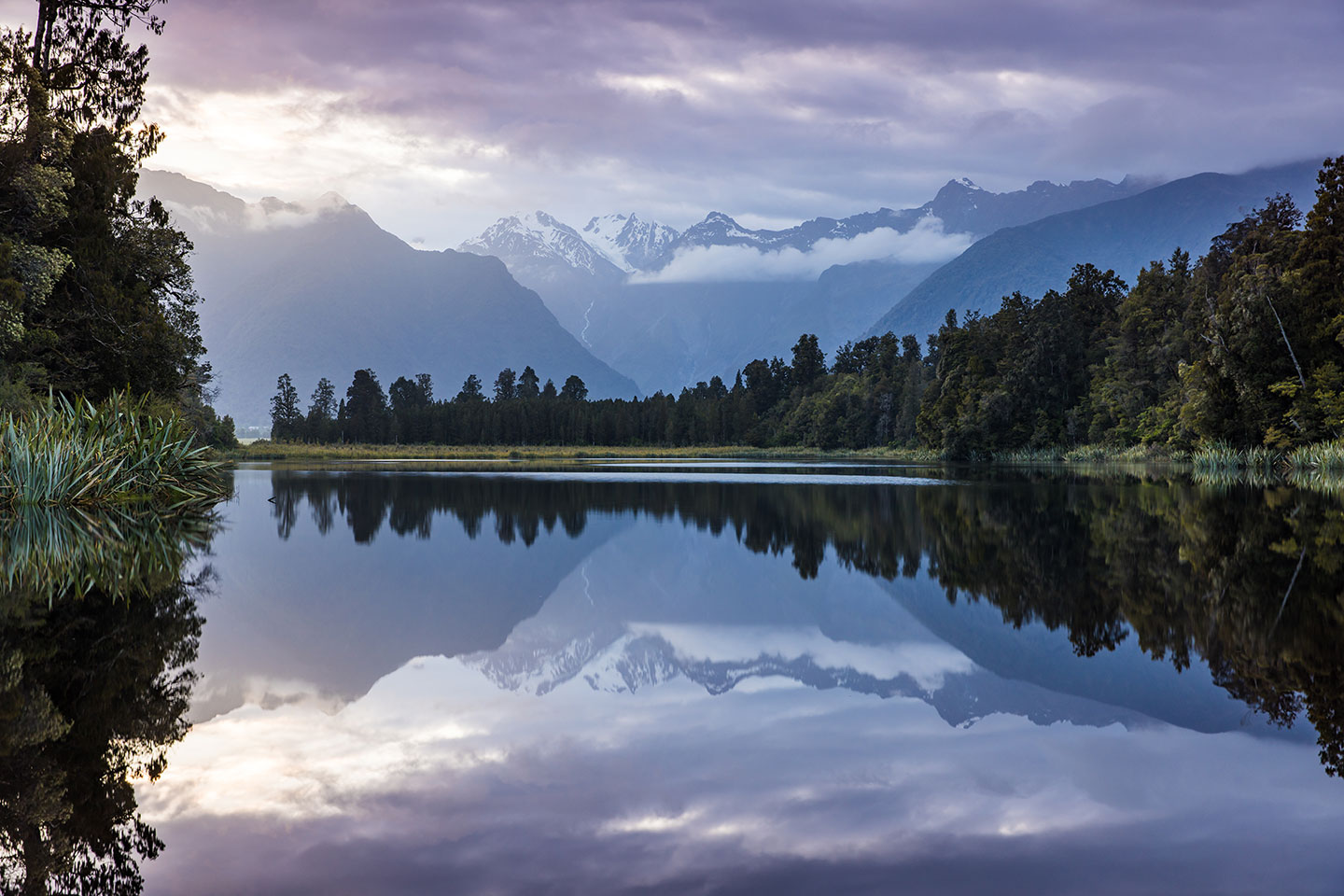
As I continued my way down to the south, I drove along the west coast, past the Franz Josef and Fox glaciers. These glaciers are retreating at a rapid rate and you can now only see them from far away. The clouds kept lingering over the glacier, but I managed to see them for a short period of time.
Wānaka
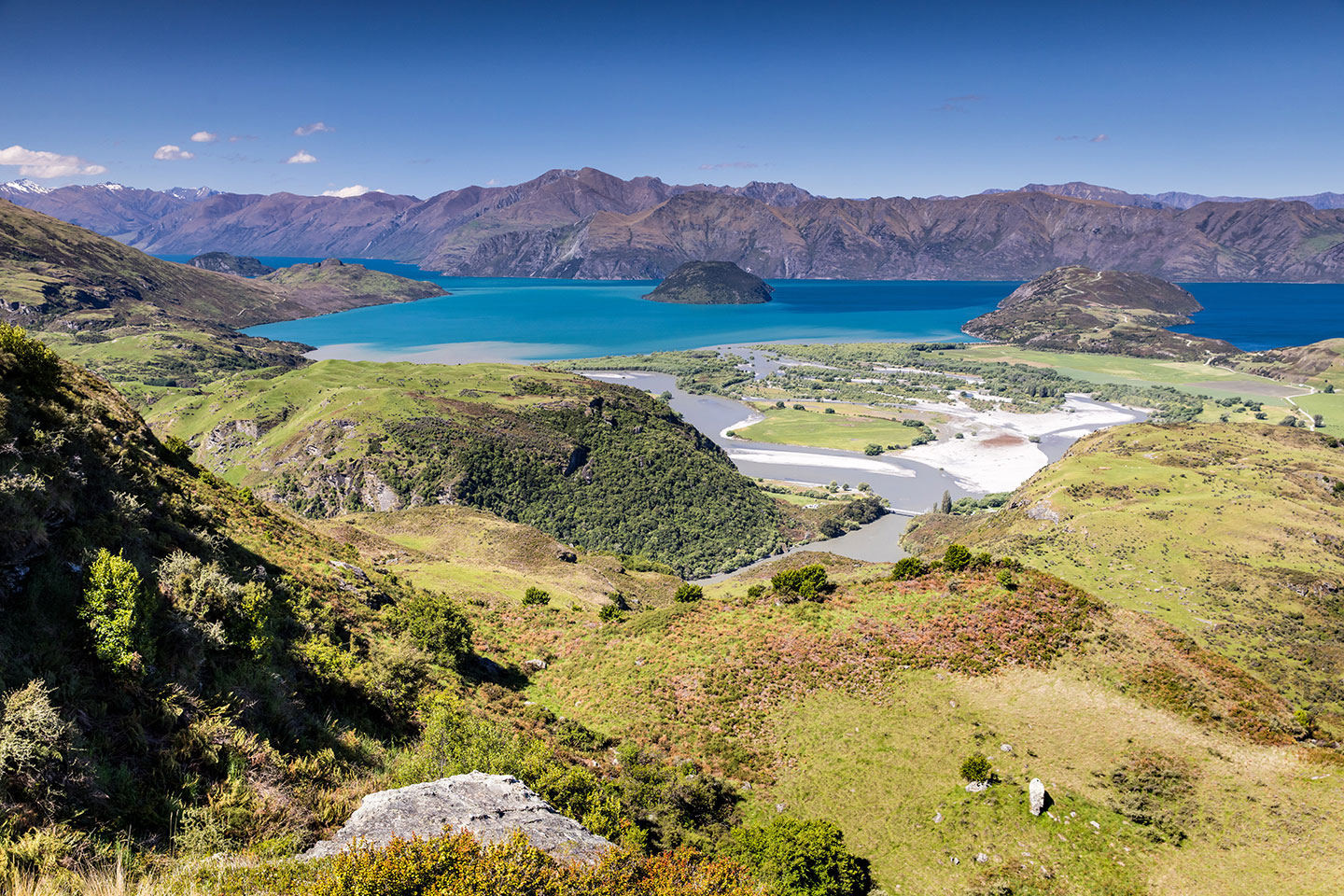
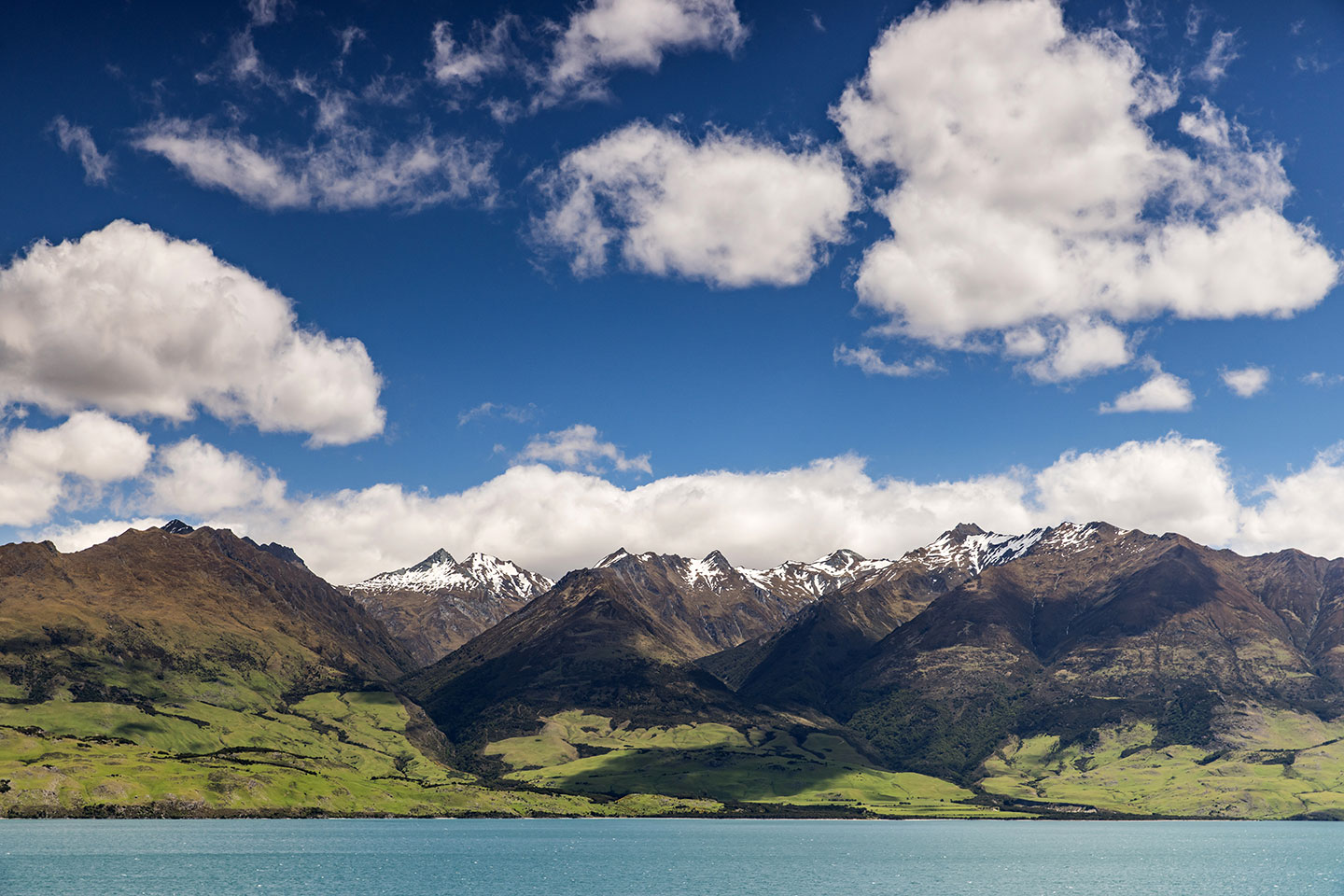
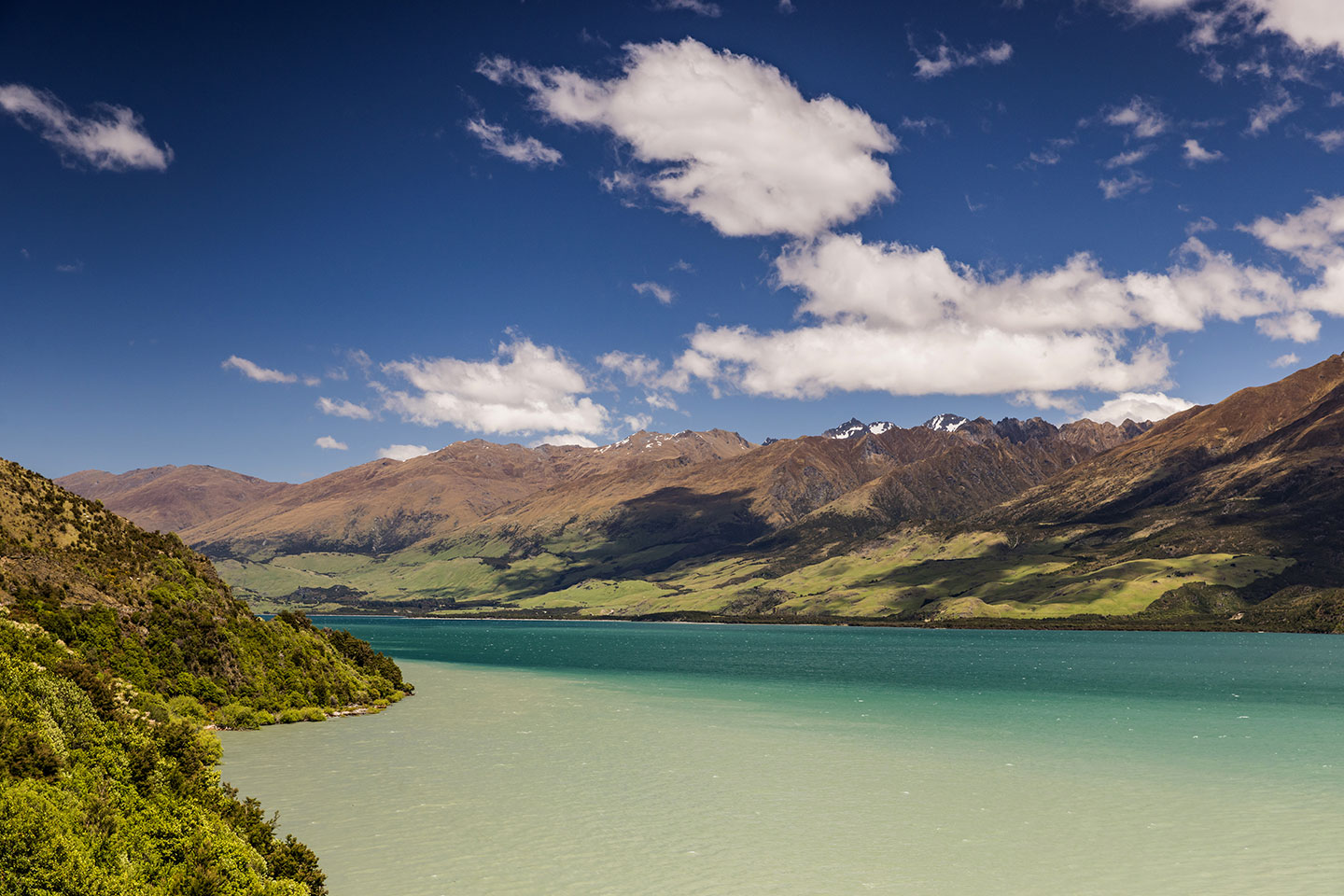
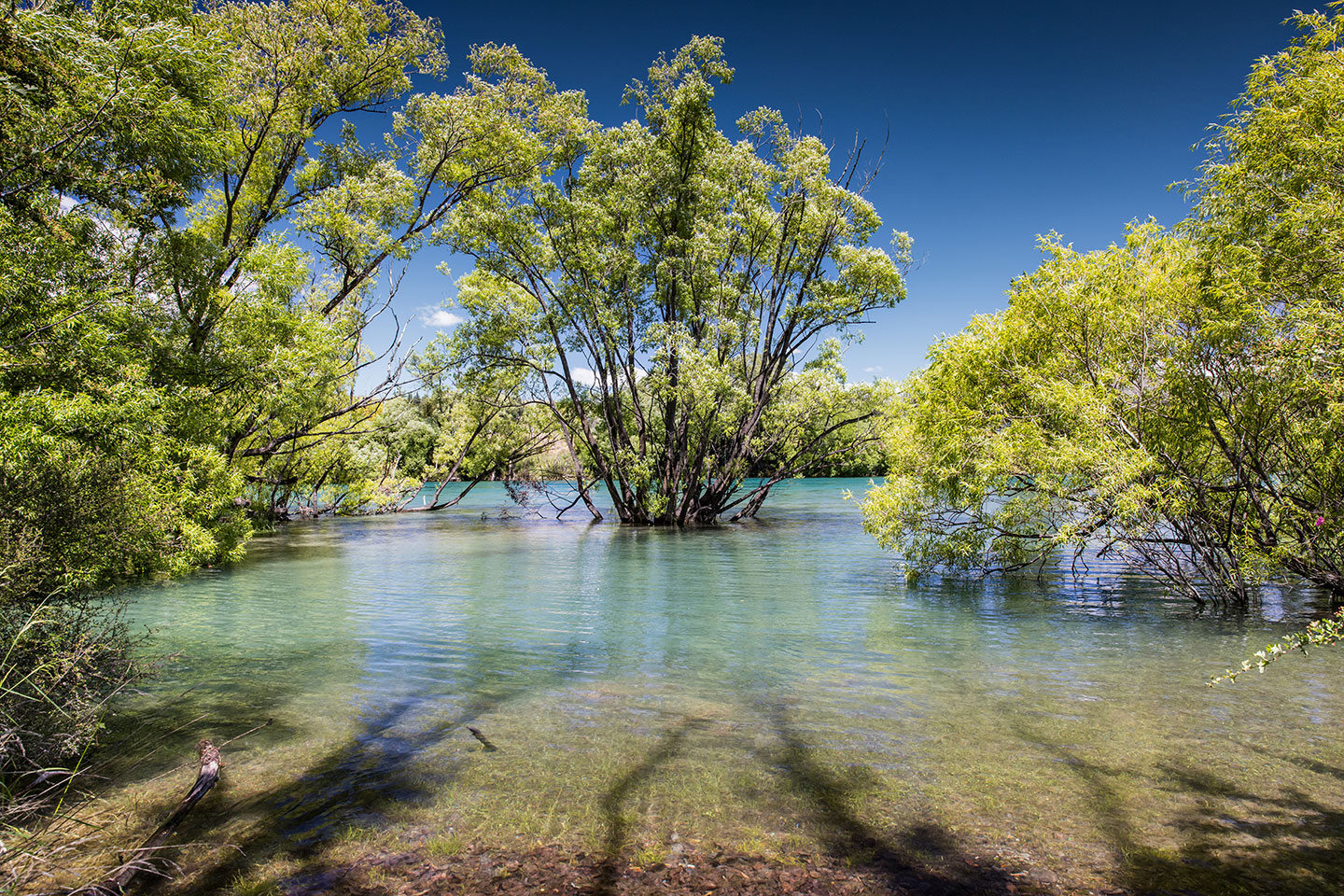
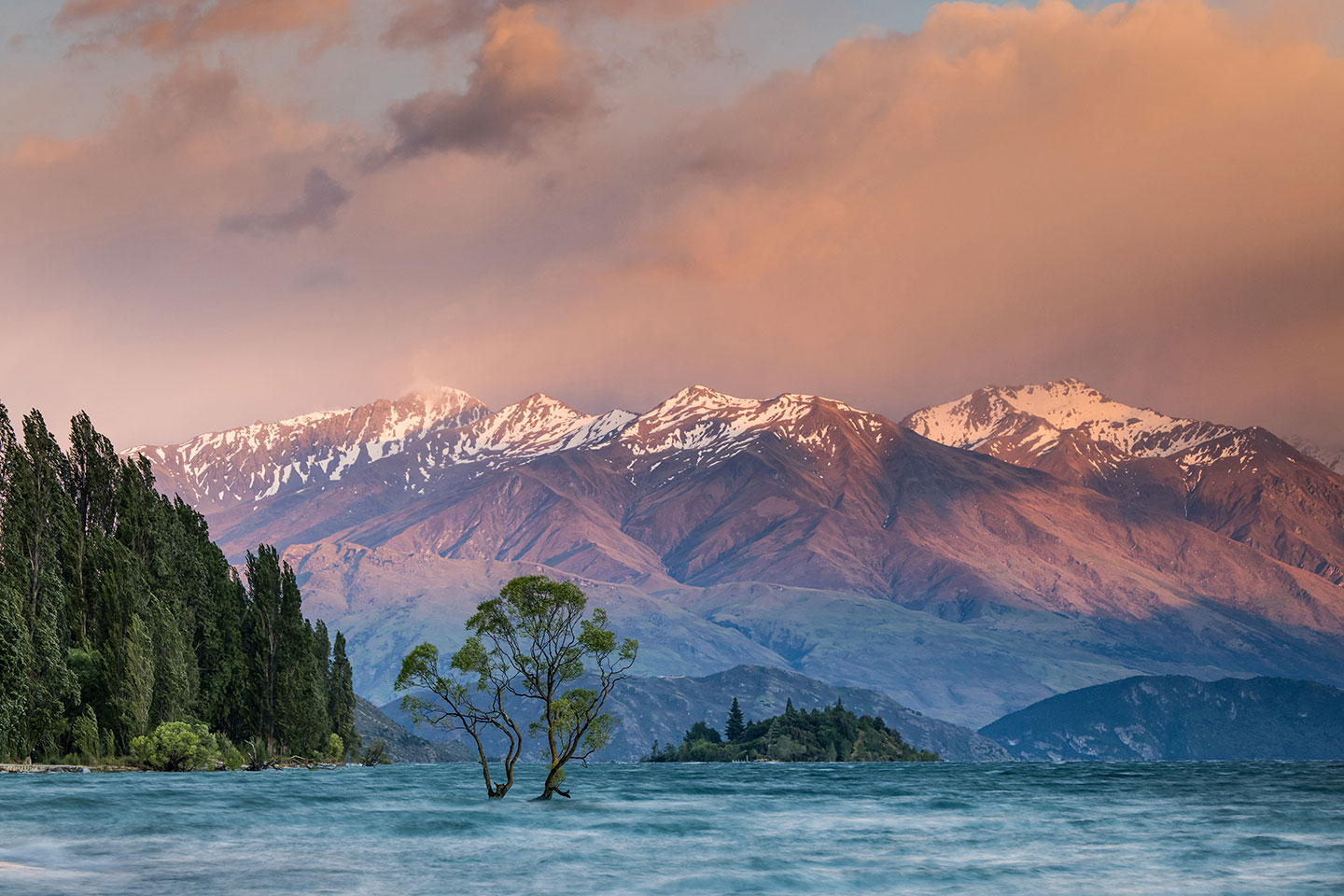
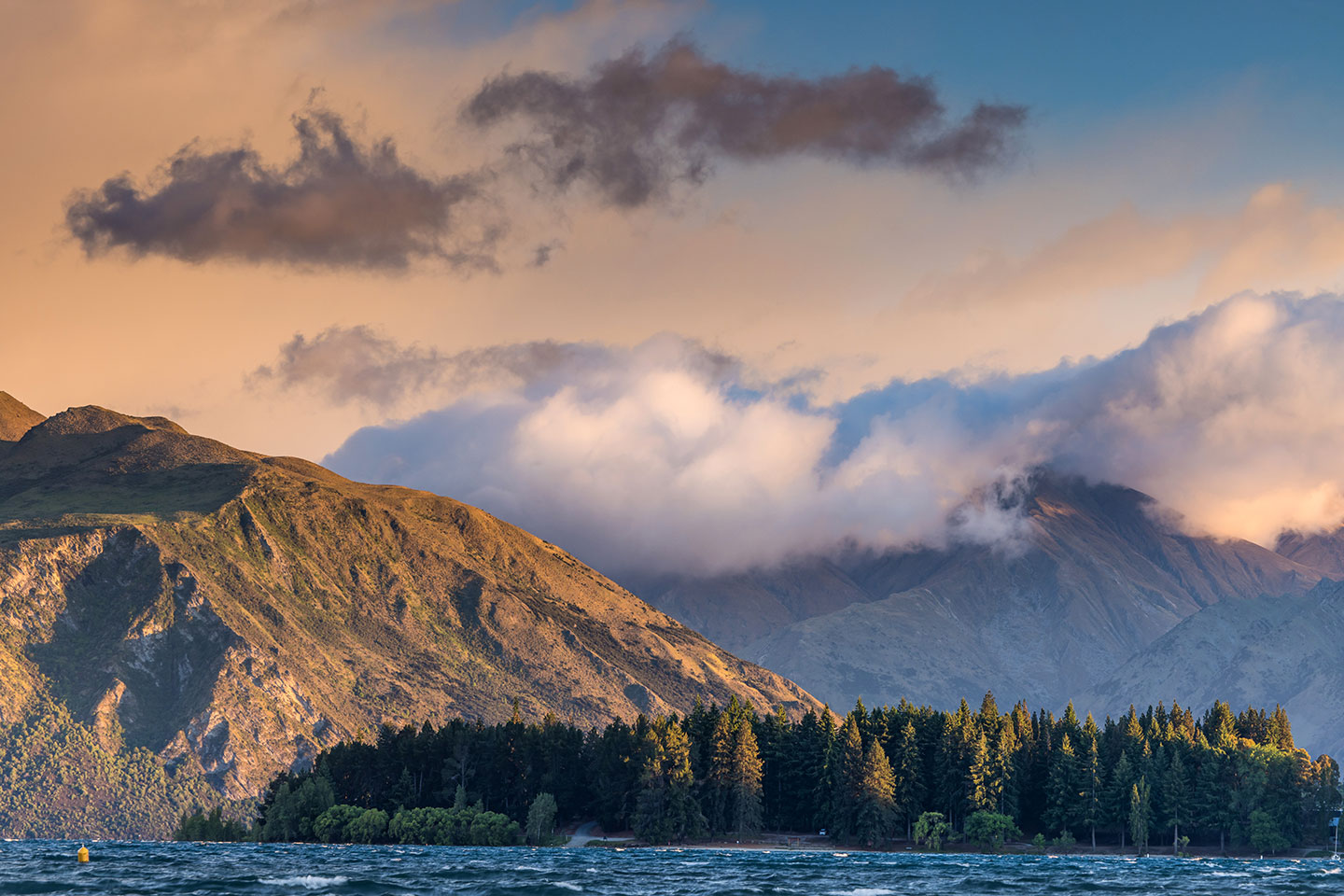
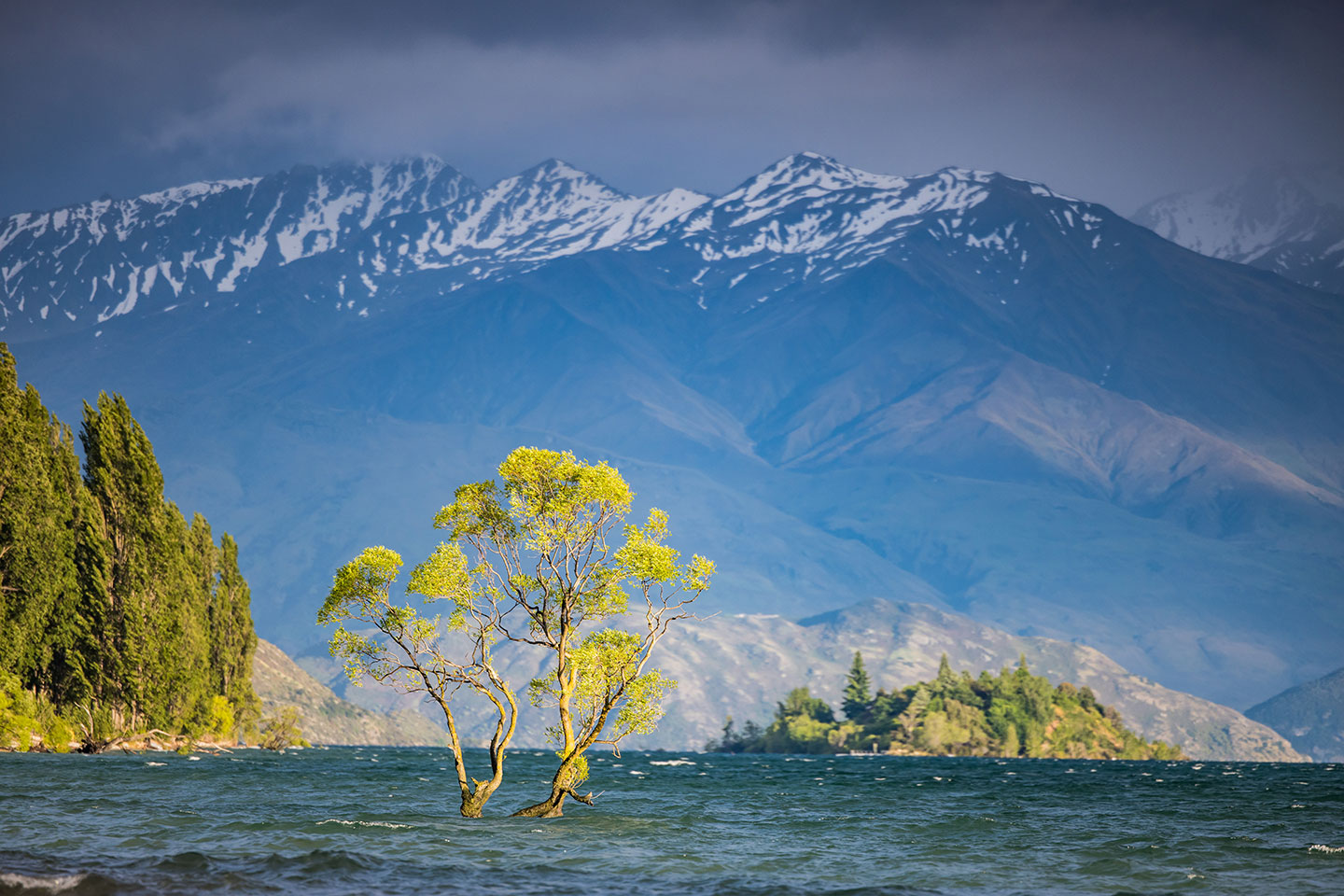
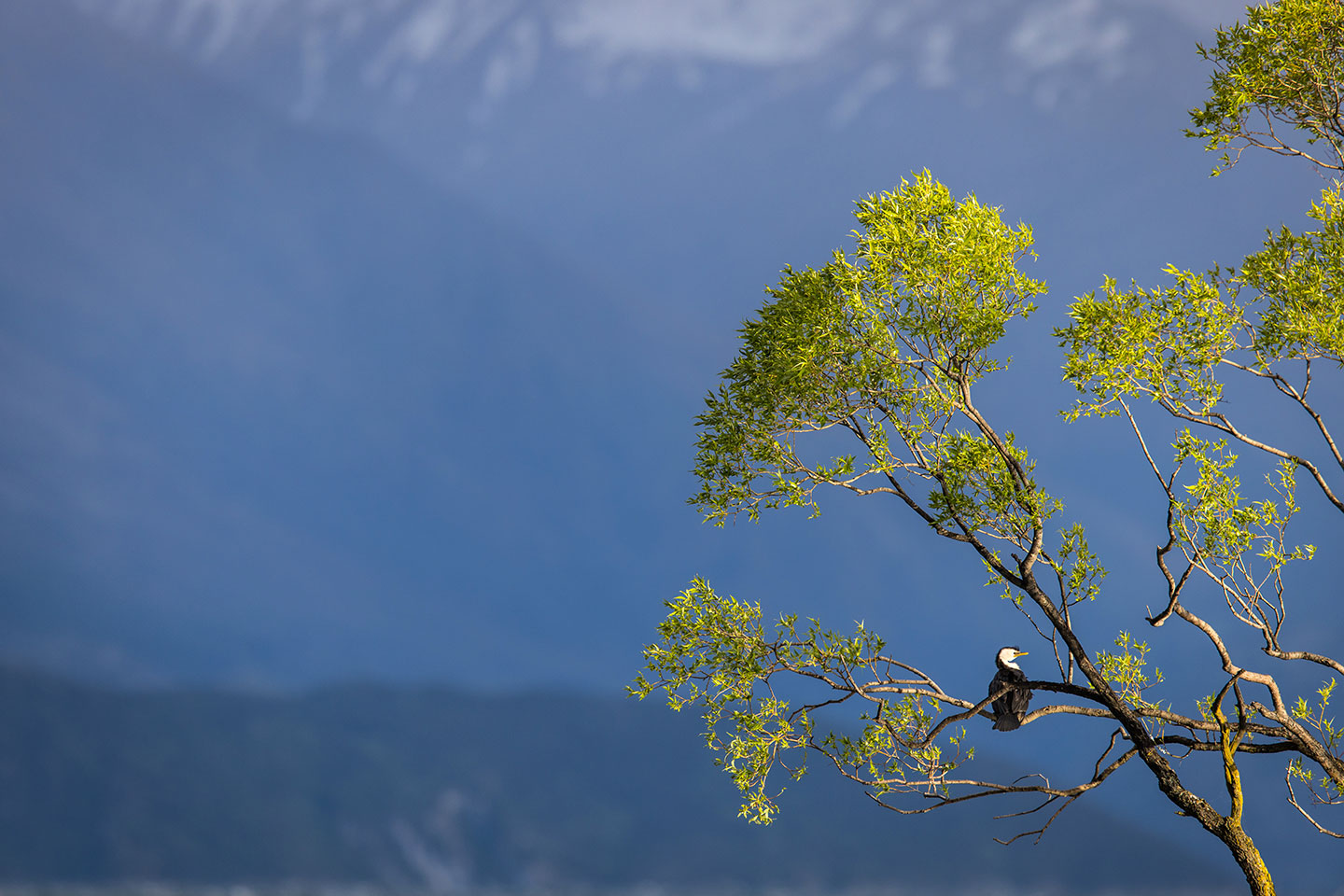
Wānaka is perhaps most famous for its iconic tree growing in the lake, but there is so much more to do around this quirky little town. The views over lake Wānaka coming from the west coast were stunning with clear, glacial blue waters, and some yellow lupine along the drive. I then did an afternoon hike to the summit of Rocky Mountain to enjoy views over the lakes from a higher viewpoint. The next morning, I enjoyed the sunrise along the lake, seeing the famous tree all lit up. Unfortunately, it was quite windy that day so I didn’t manage to get that perfect reflection of the tree in the lake. But hey, you can’t have it all. Wānaka is a very laidback and relaxed mountain village and it is a good stop before making your way to the Fiordland National Park further south.


Fiordland National Park – Milford Sound
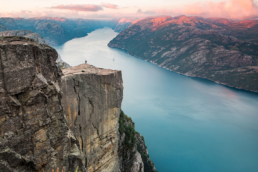
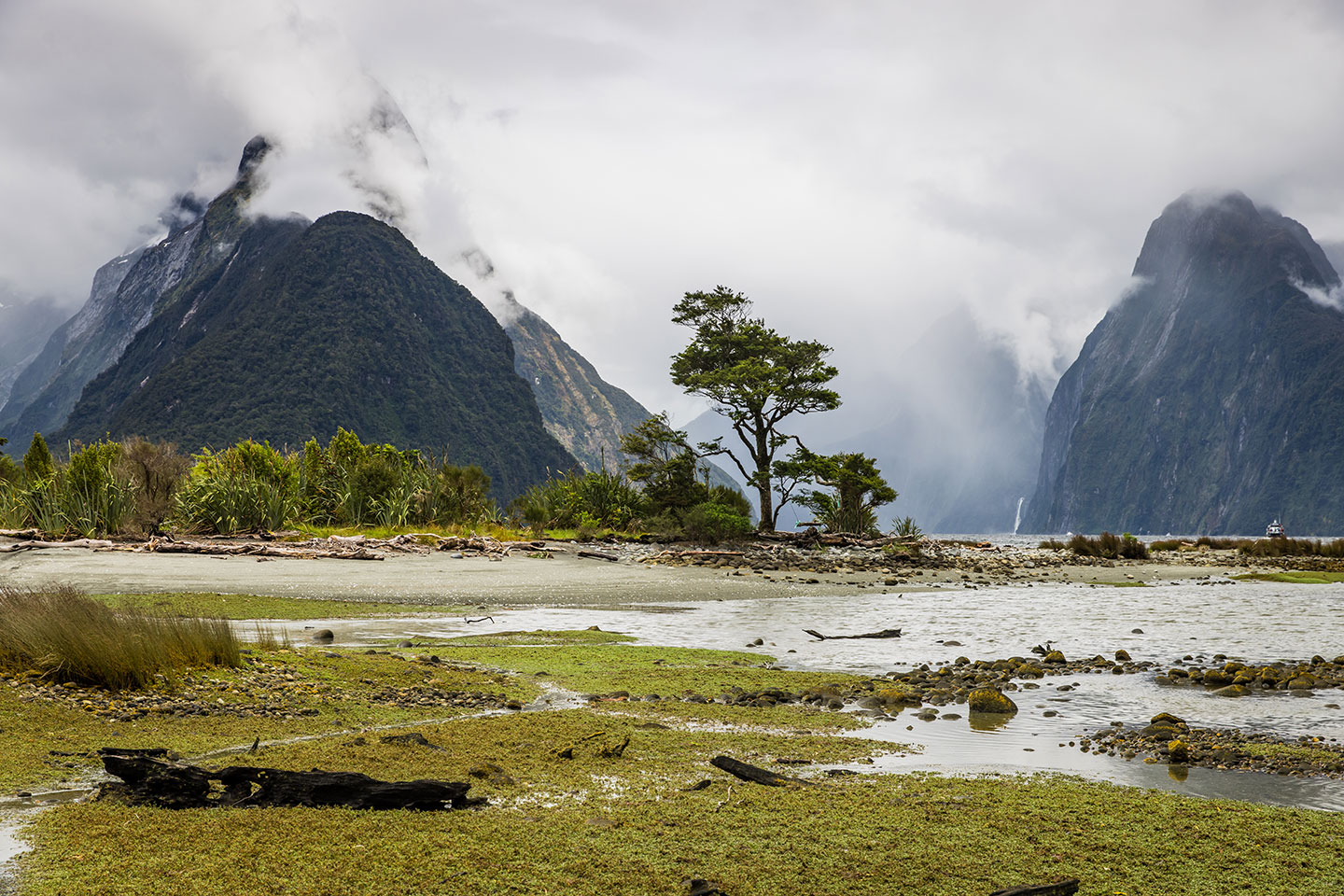
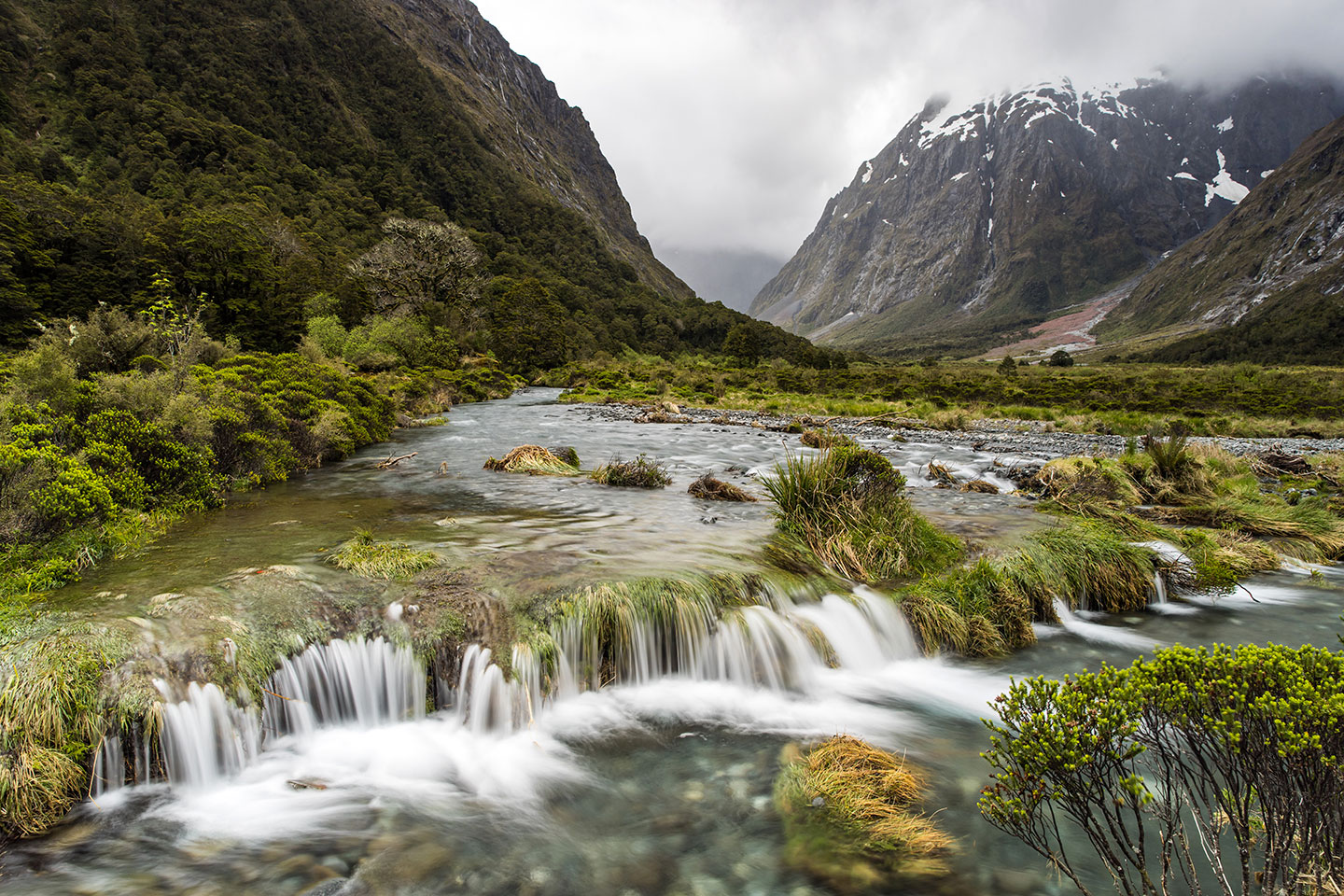
Fiordland National Park is one of the wettest places on earth. So it was no surprise that the whole time I visited this area, it rained almost non-stop. But the grey, gloomy weather actually gave it a more mysterious vibe. The highlight of the area is Milford Sound, one of New Zealand’s most known spots. As soon as I arrived, it immediately took me right back to the Norwegian fjords.
Southland
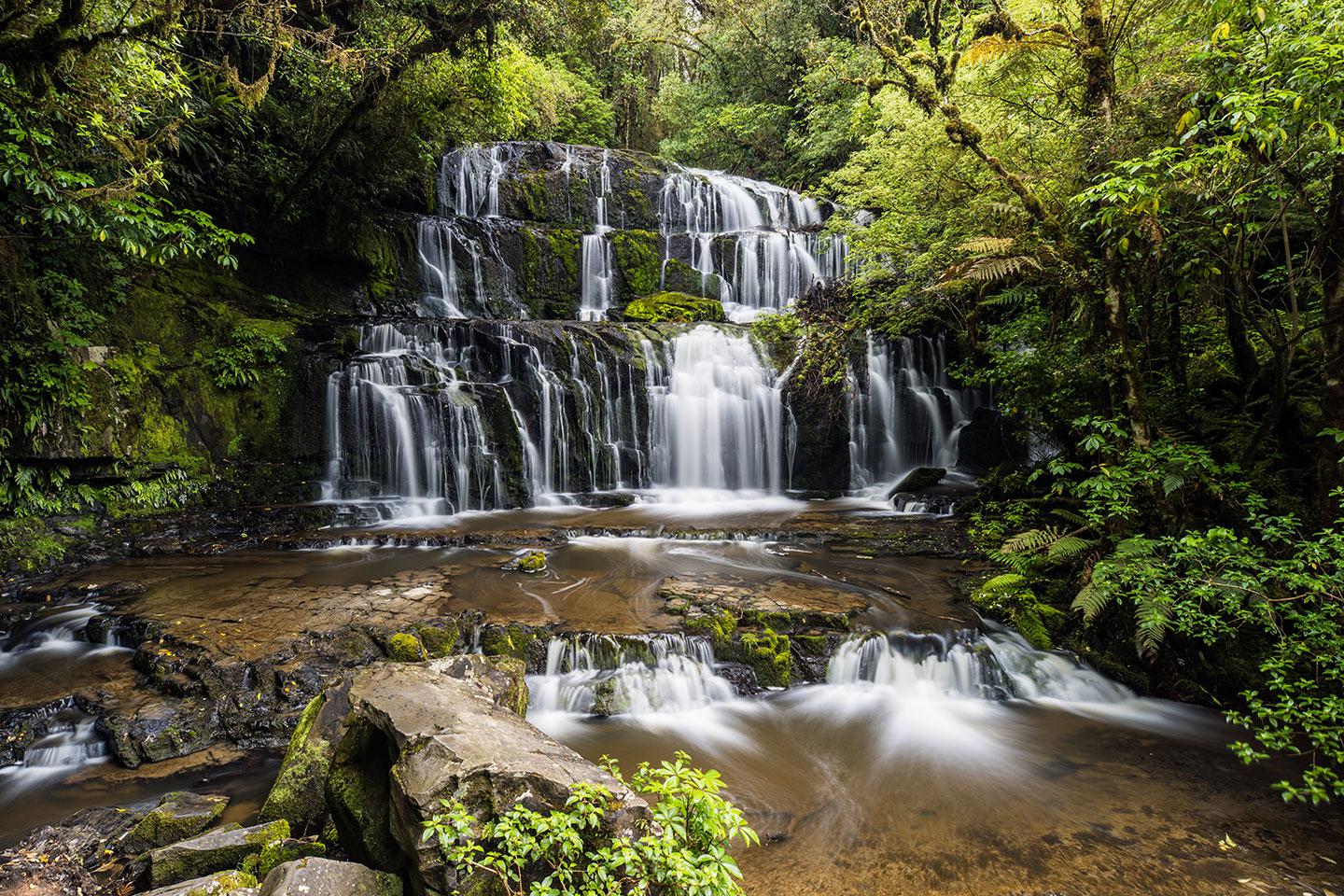
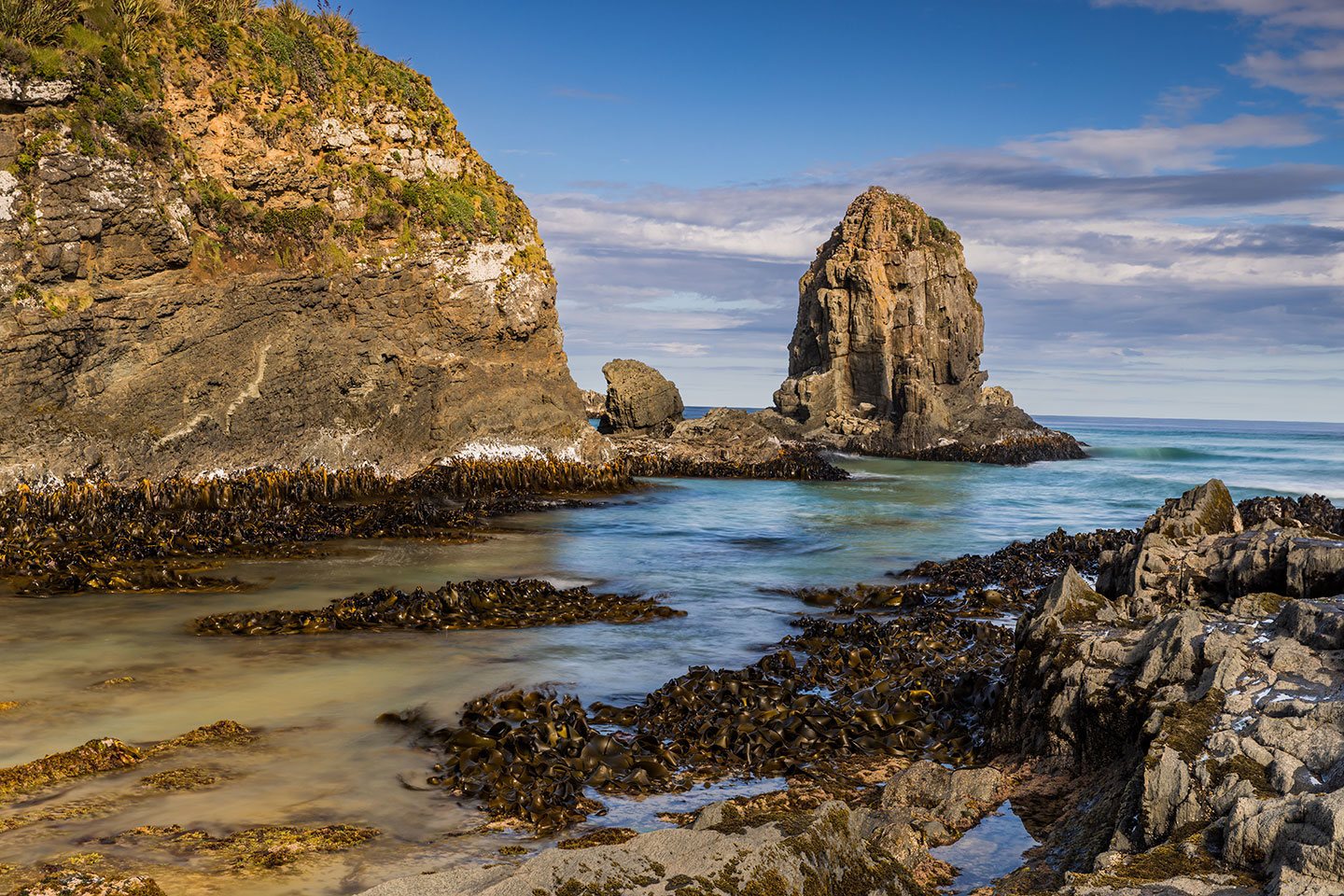
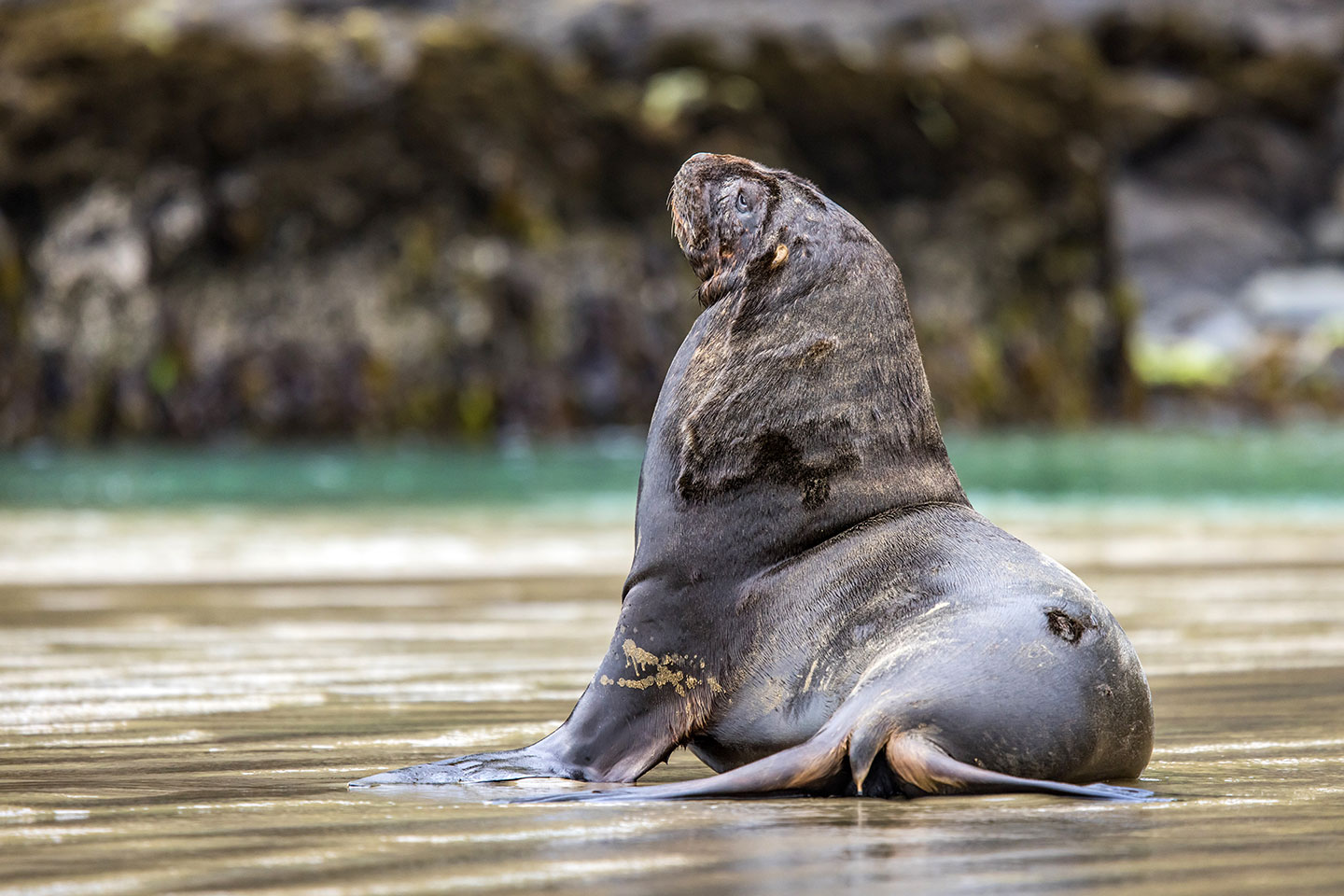
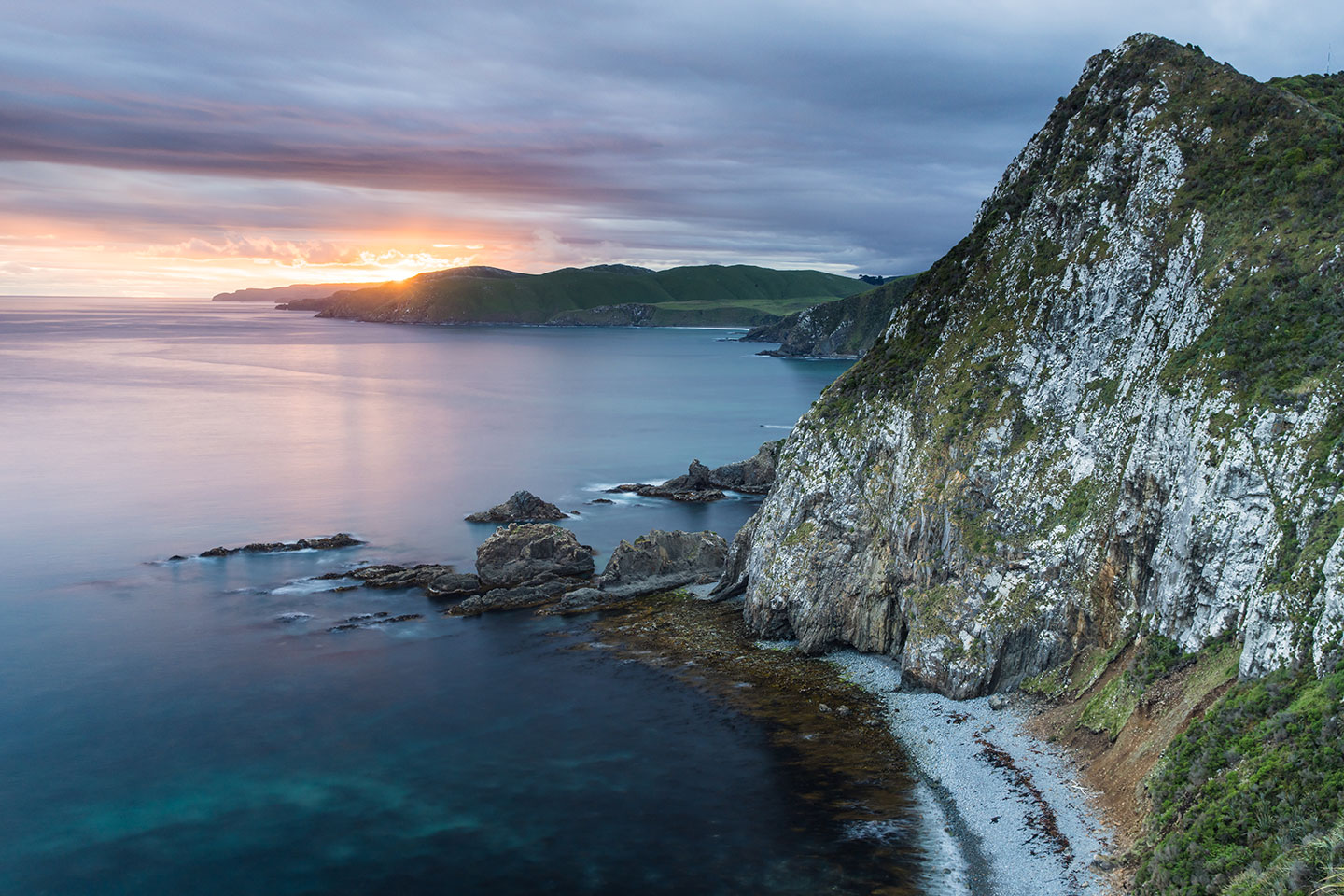
From Milford Sound, I drove down the southern coast into the Southland region which is desolate and sees very few people. This scenic drive took me past some beautiful waterfalls like the Purakaunui waterfall and some beaches with the endangered New Zealand sea lions. I finally ended at Nugget Point for a view of the coastline with its jagged rock pinnacles piercing out of the water.


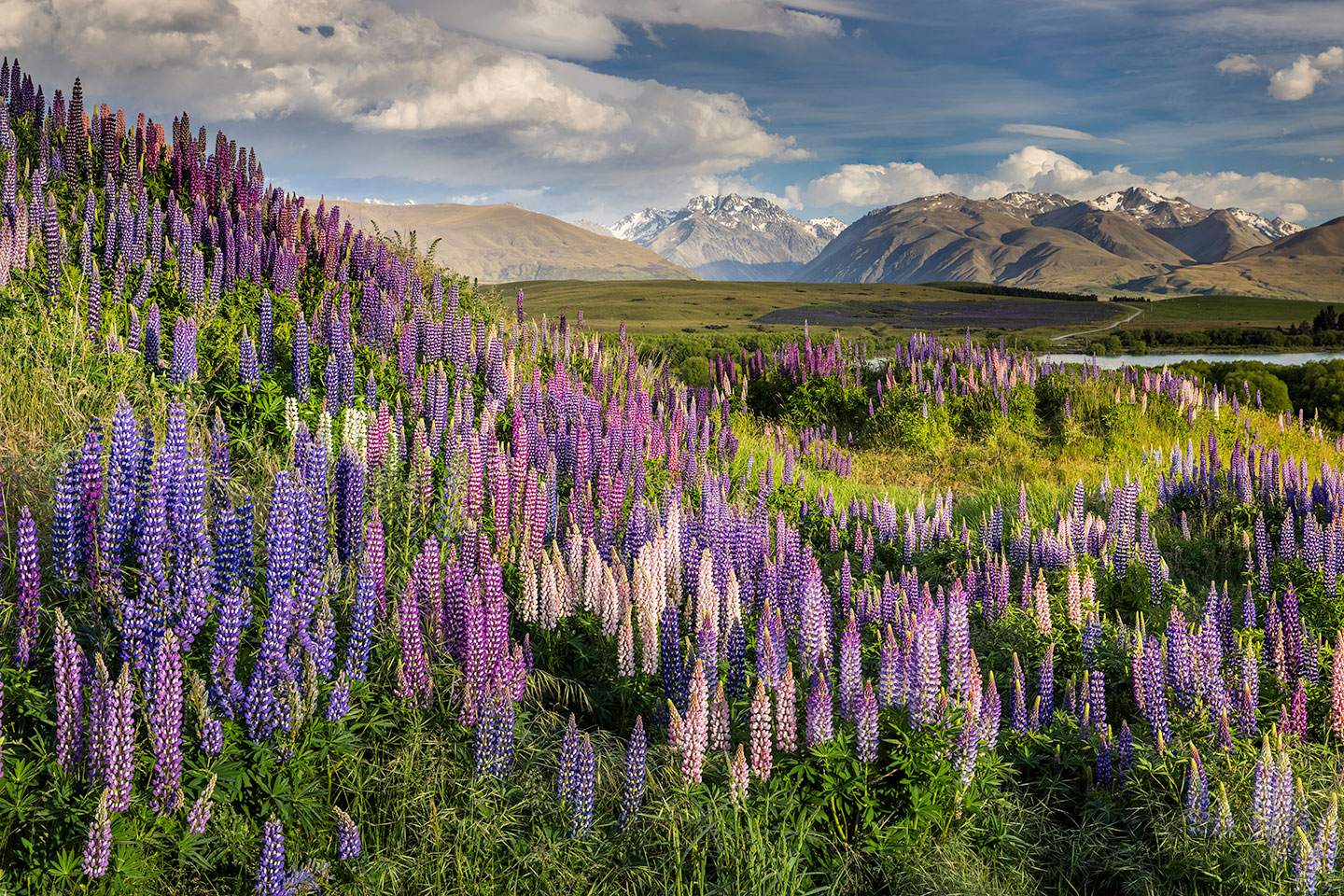
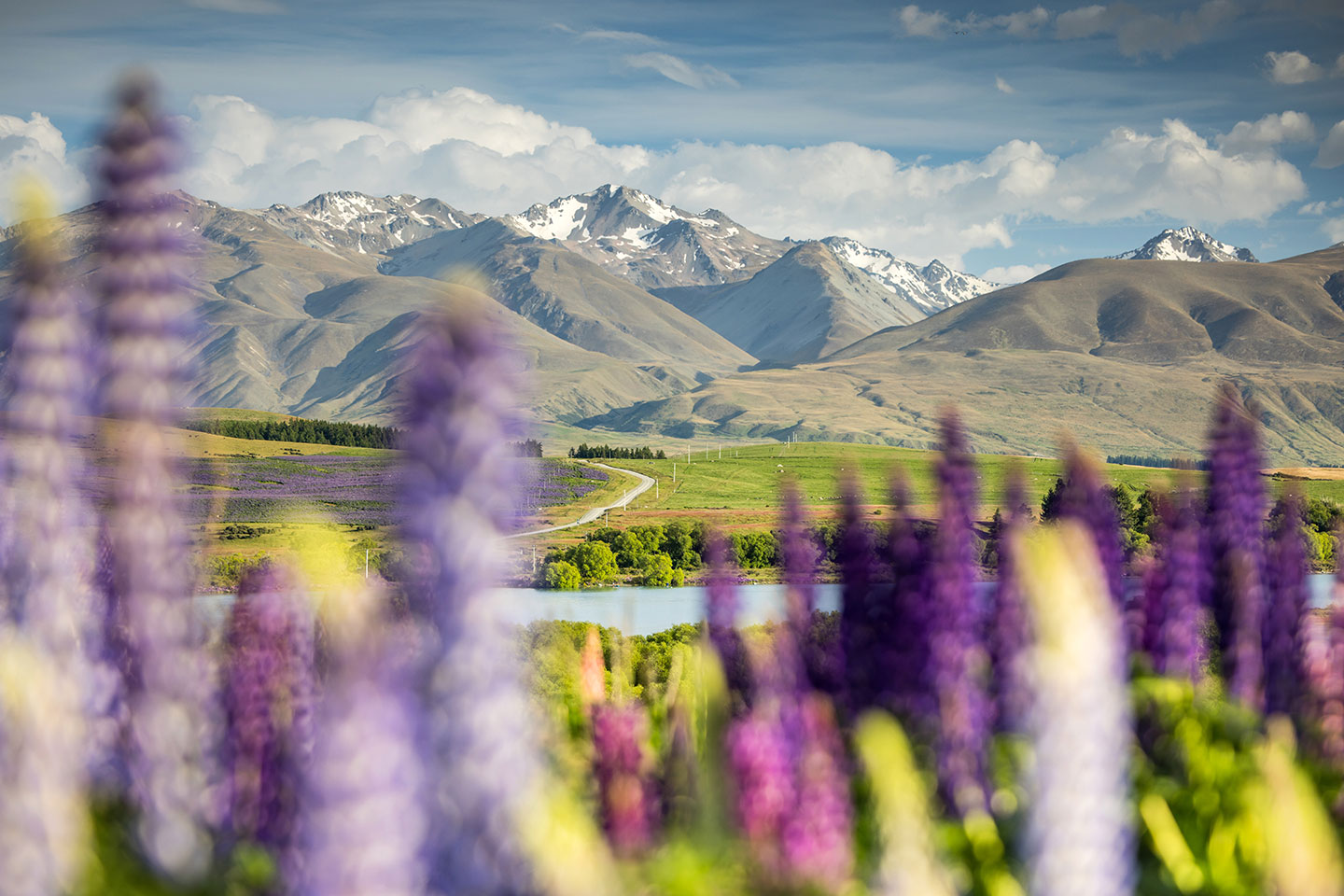
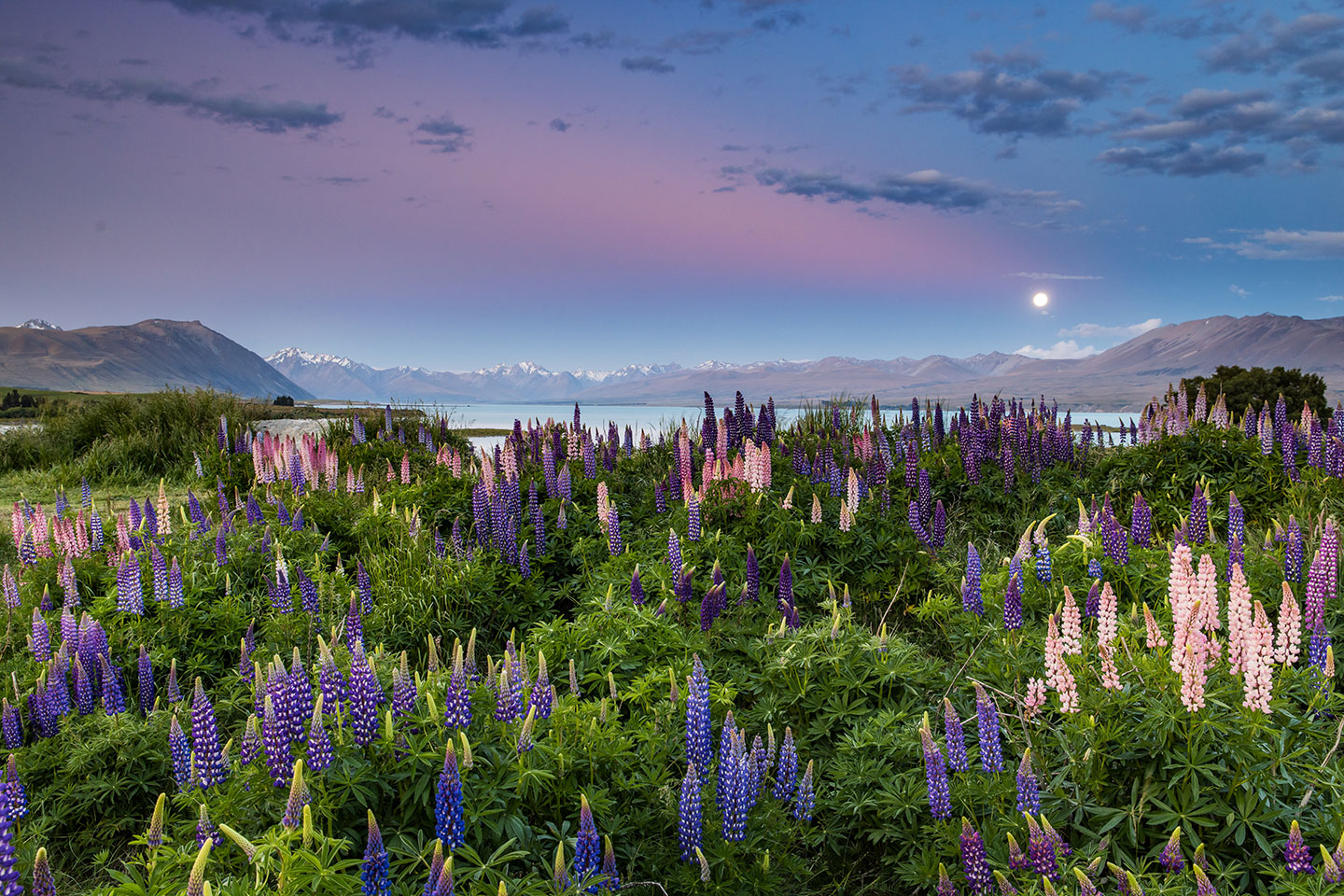
Lupines in full bloom around Lake Tekapo and Lake Pukaki
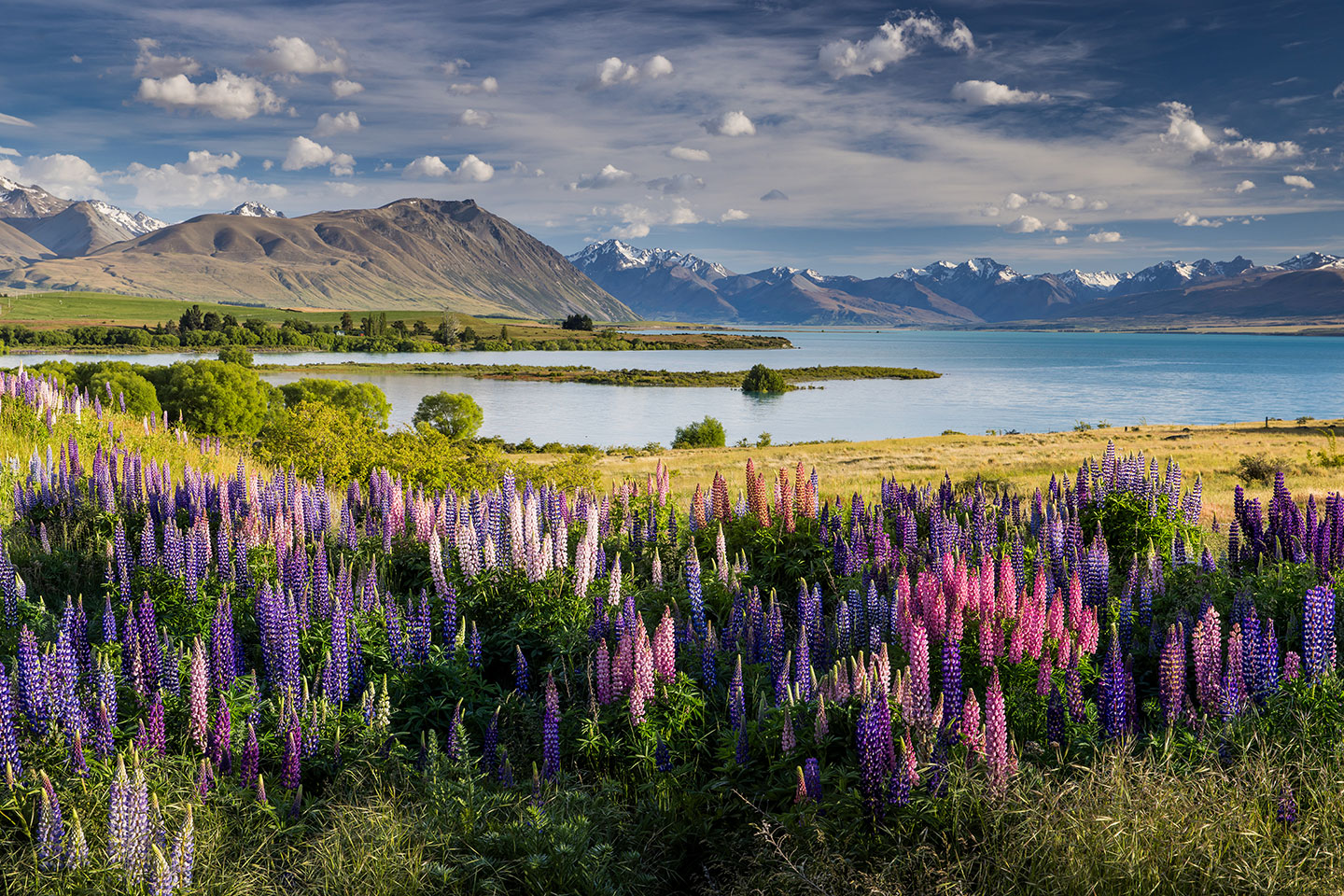
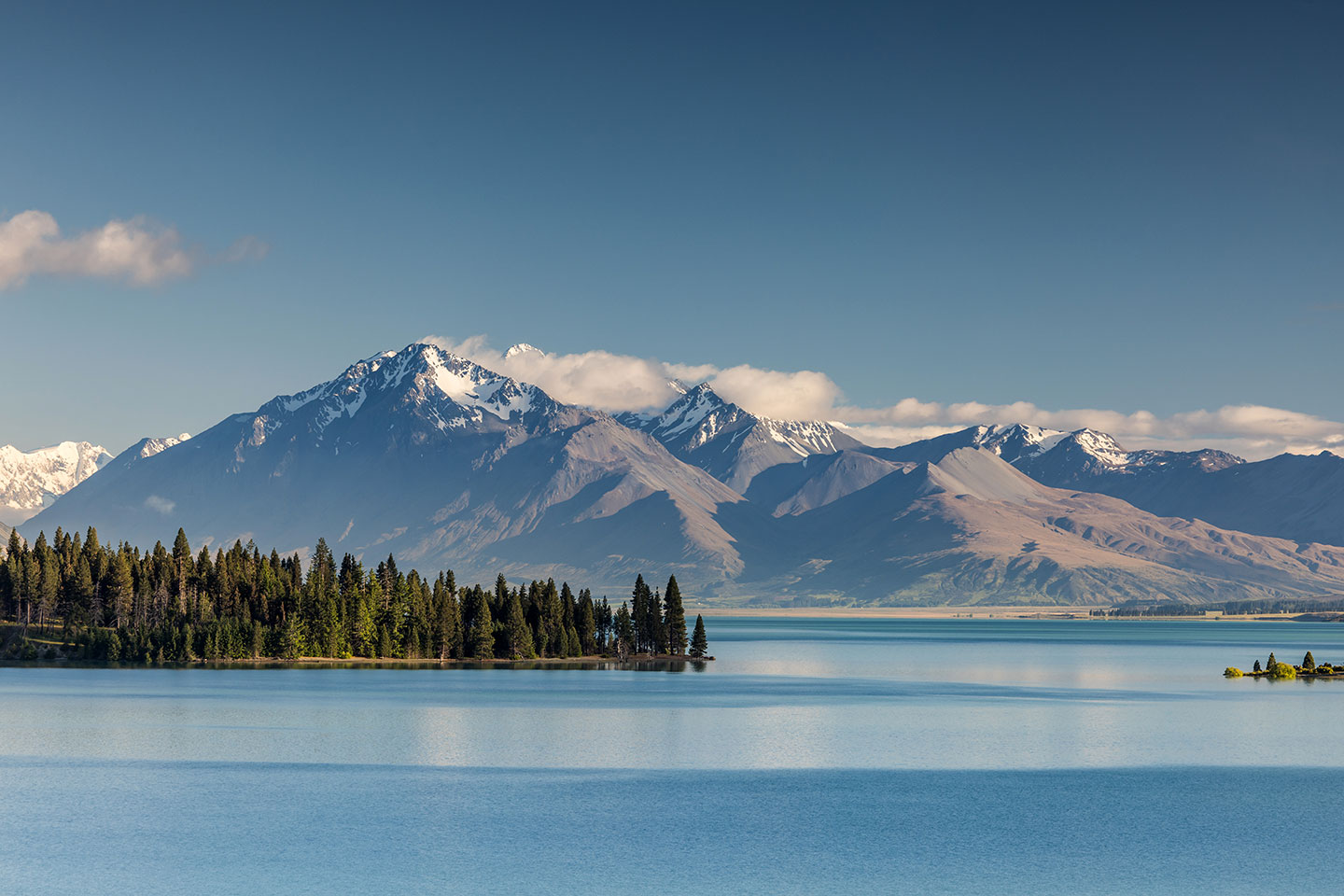
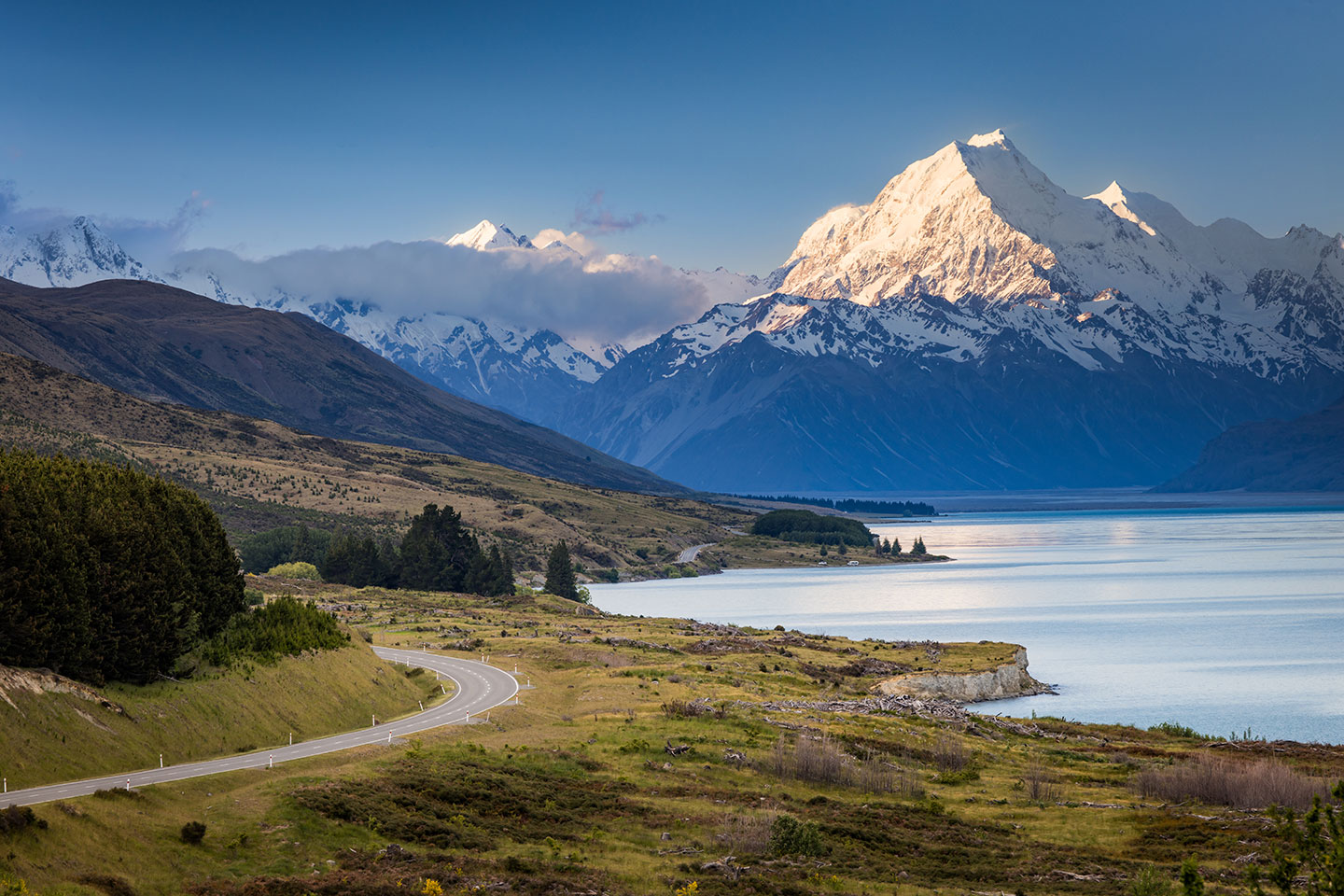
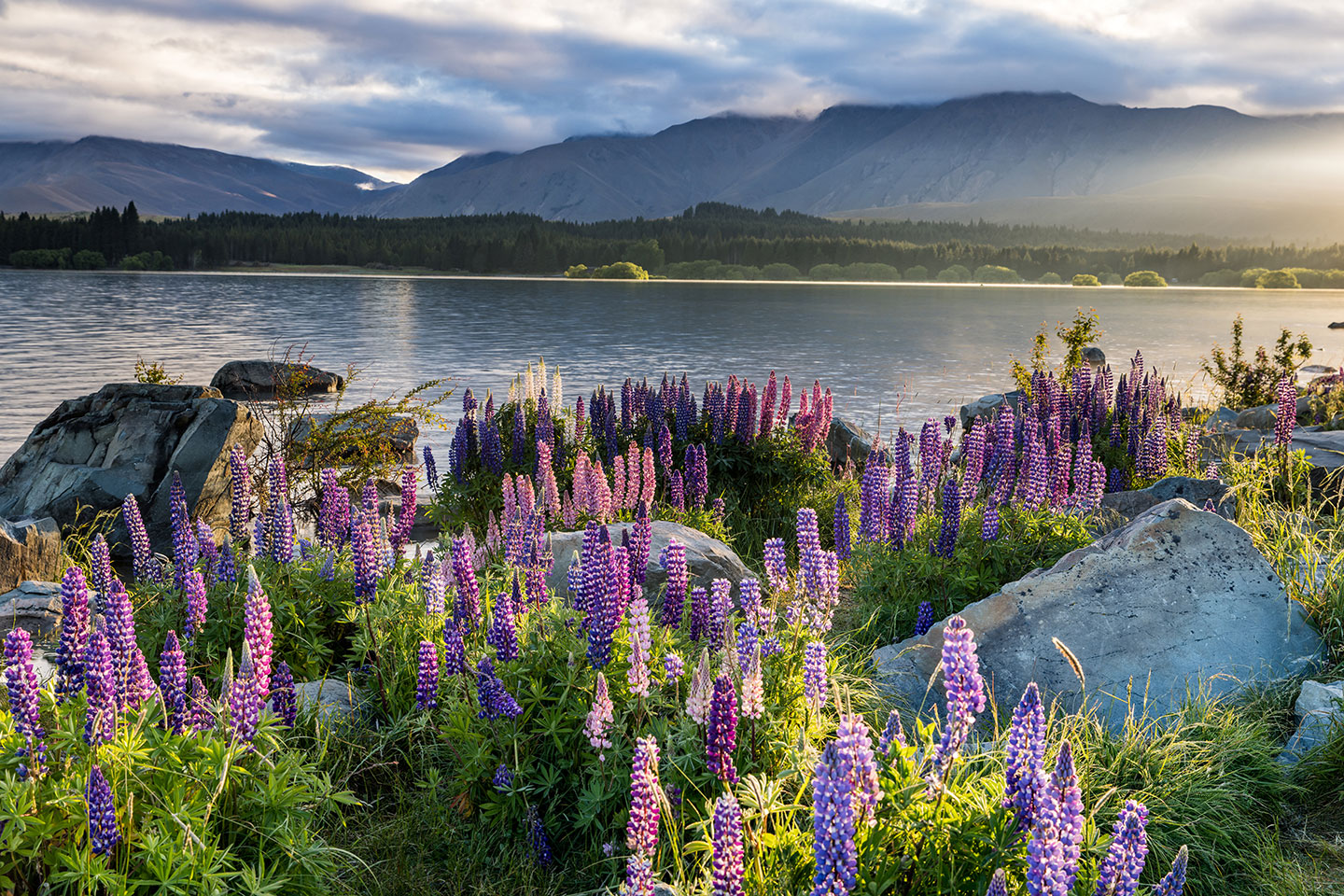
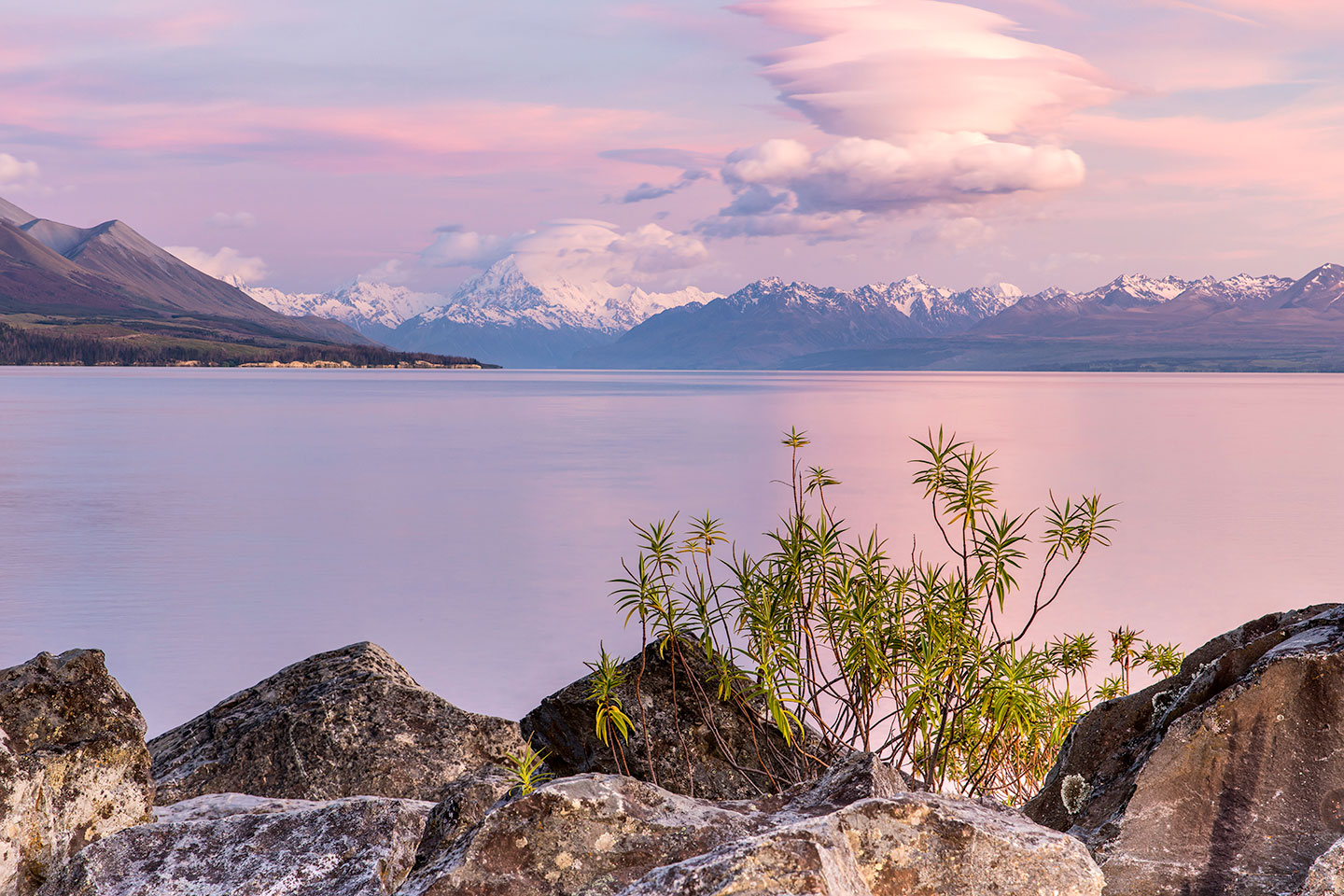
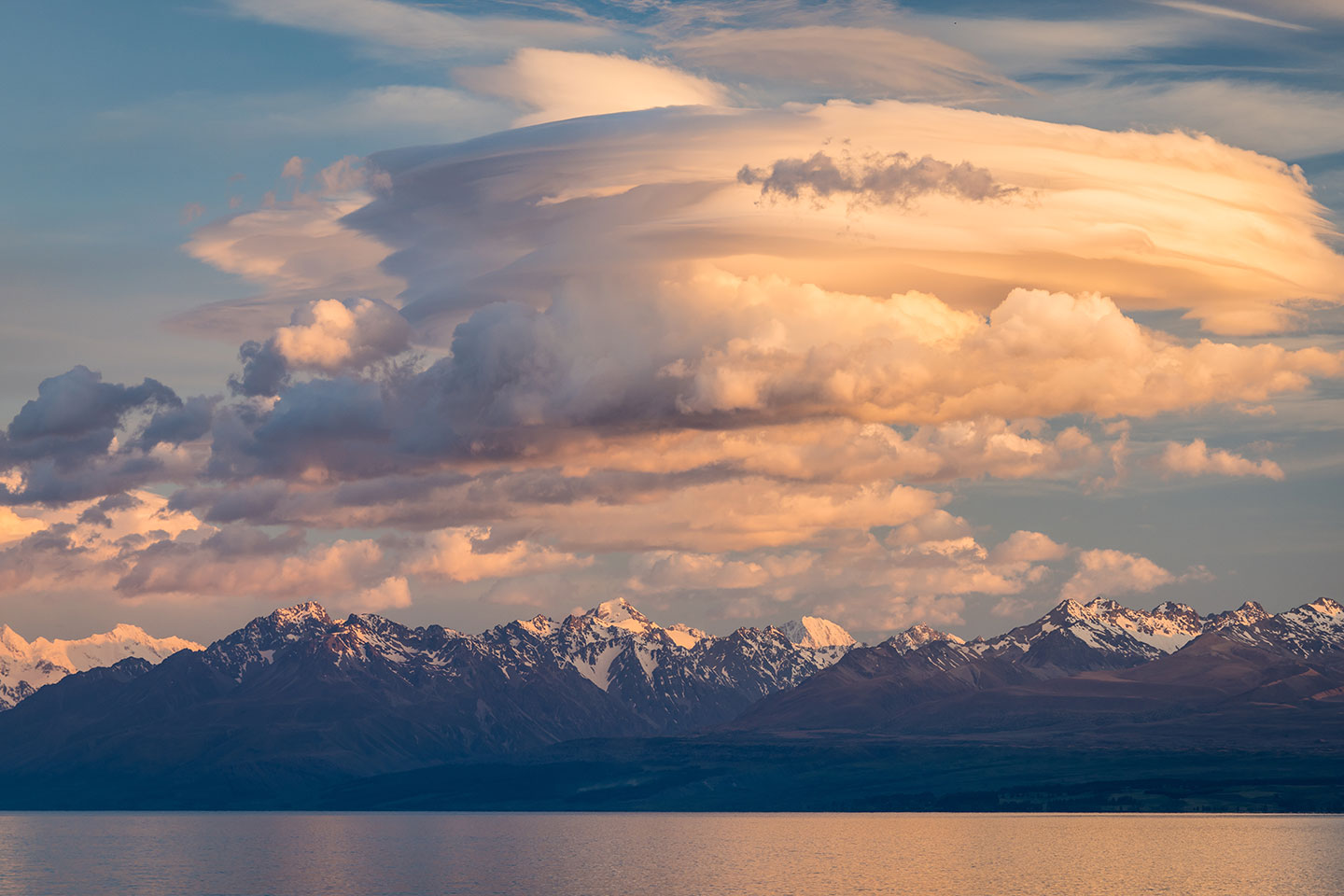
Sometimes you see an image online and you say to yourself; I have to go see this in real life. This was the case of the lupine flowers around the alpine lakes in New Zealand. These colorful flowers only bloom for about 6 weeks out of the year. They reach their full bloom by the end of November and can be best seen around the glacier lakes of Tekapo and Pukaki. These pristine lakes and majestic mountains are worth visiting anytime throughout the year. But when you add the lupines in the foreground, you get yourself a picture-perfect shot. I was fortunate to have good weather which really made the colors of these flowers pop.




Mount Cook National Park
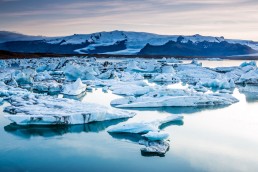
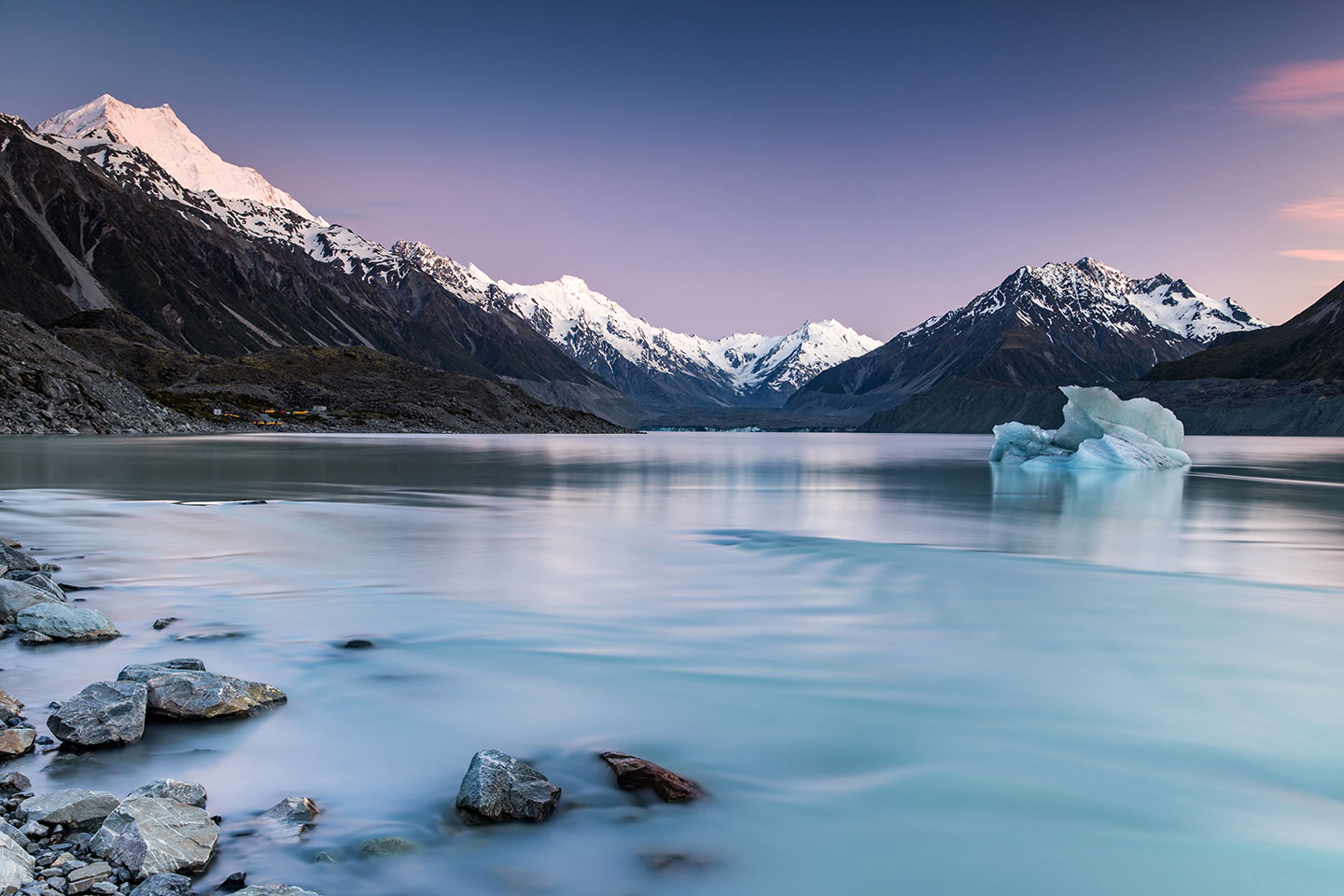
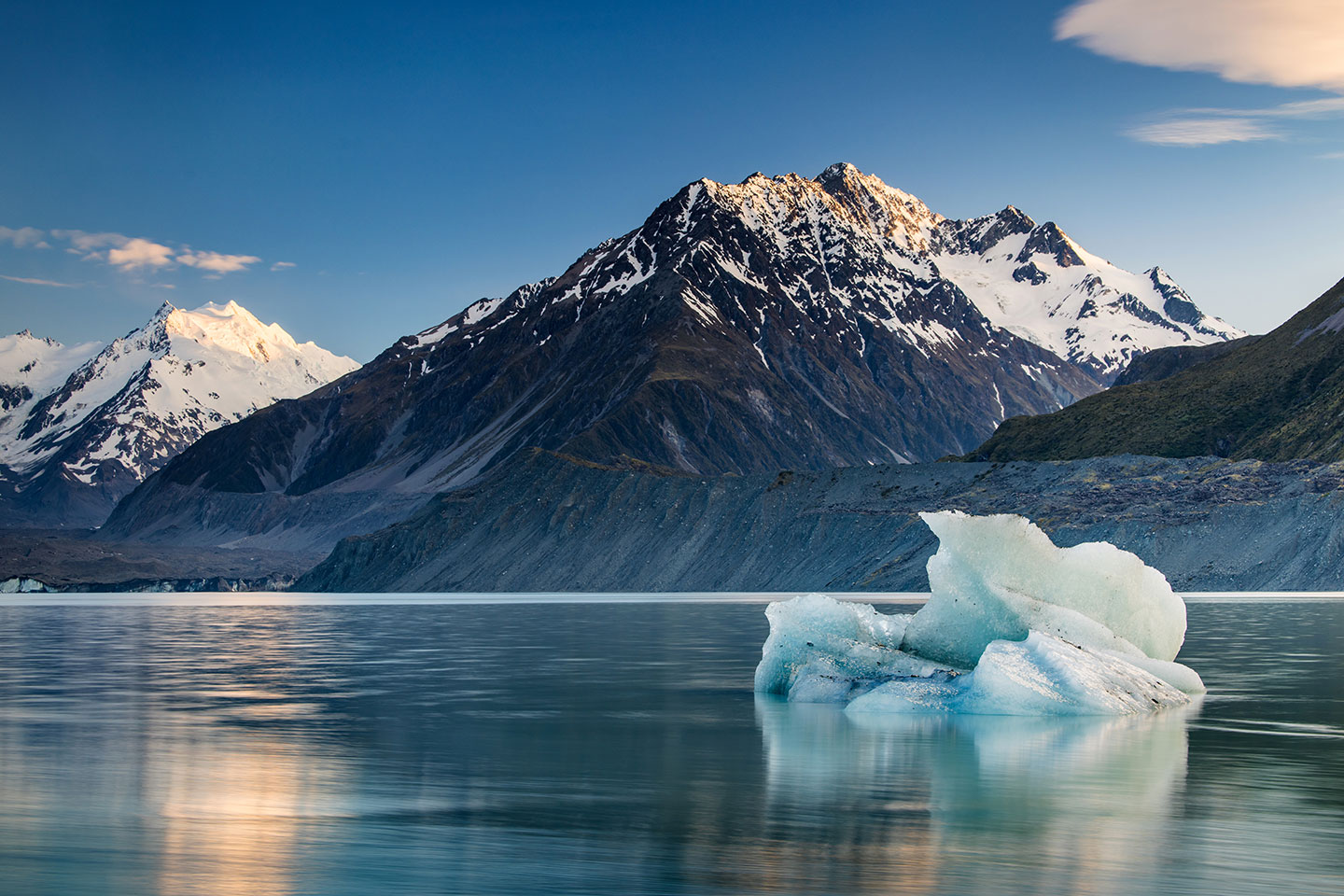
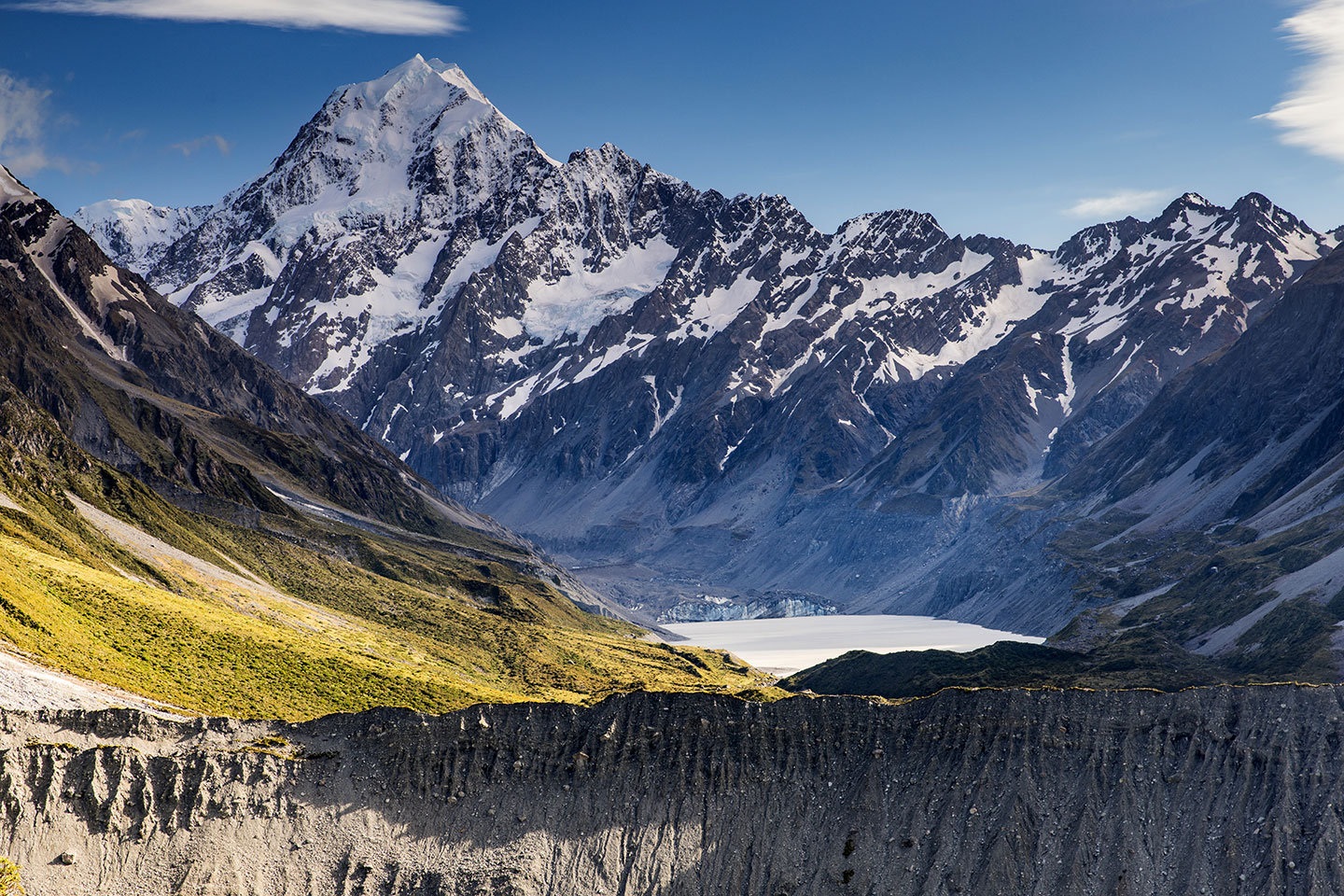
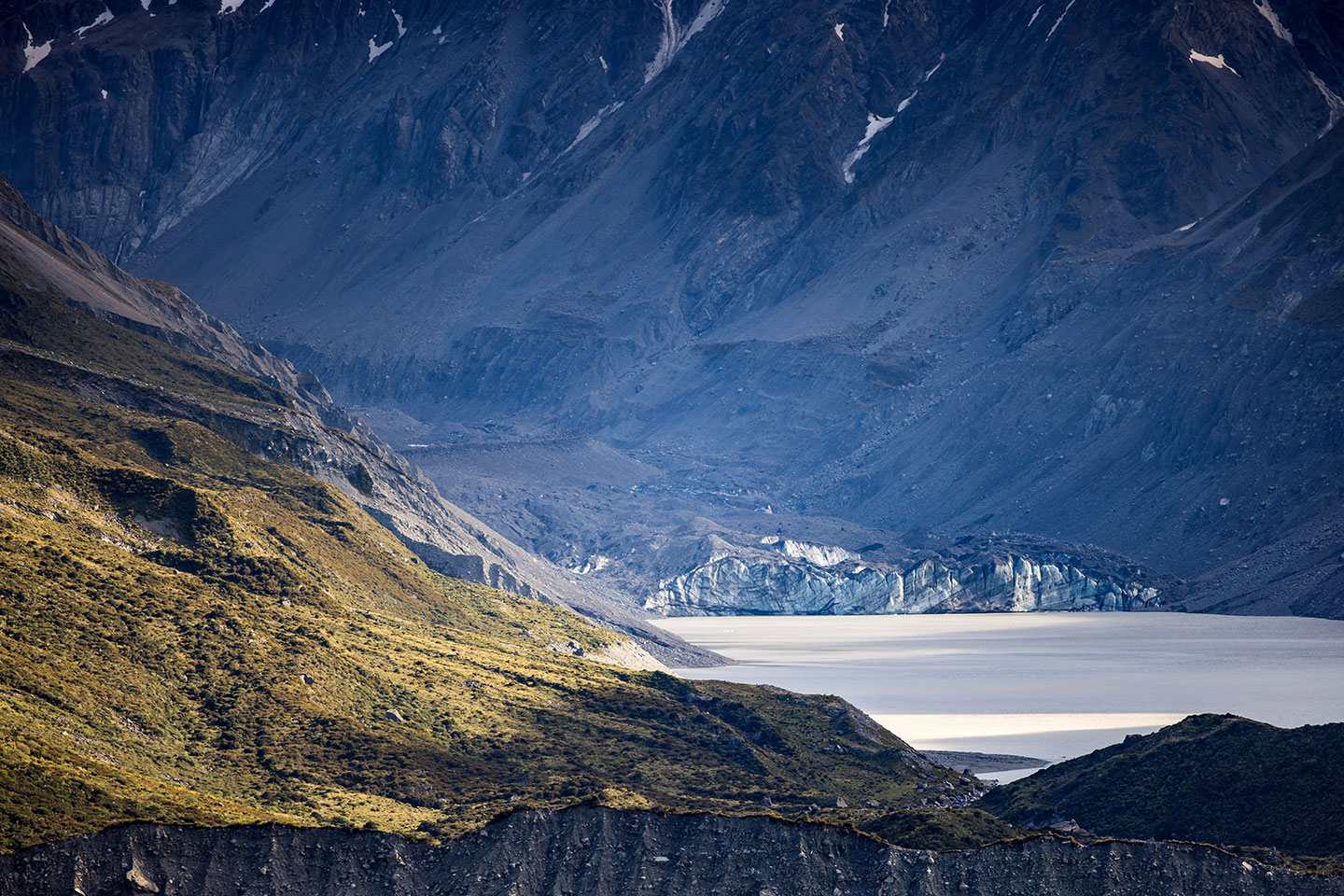
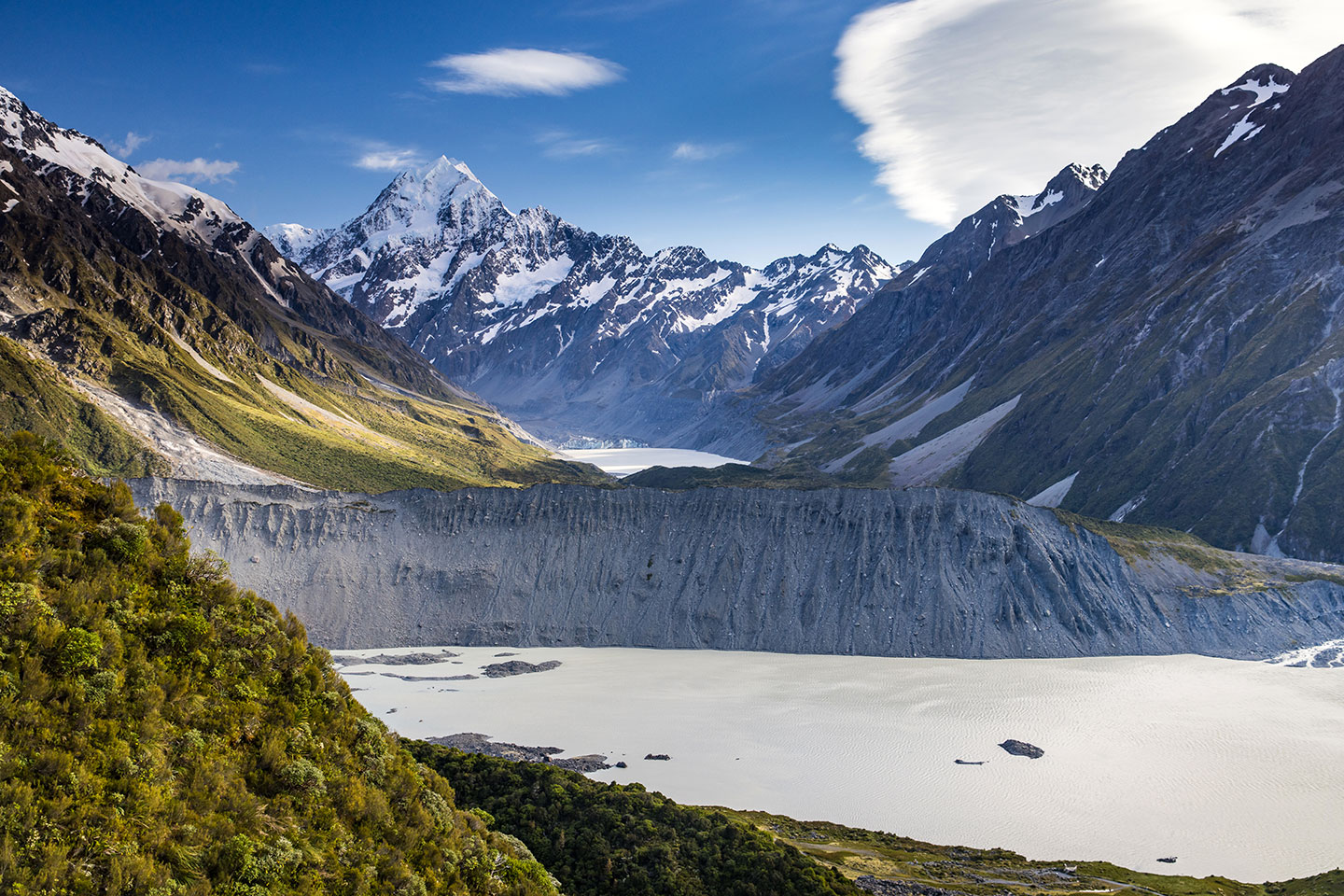
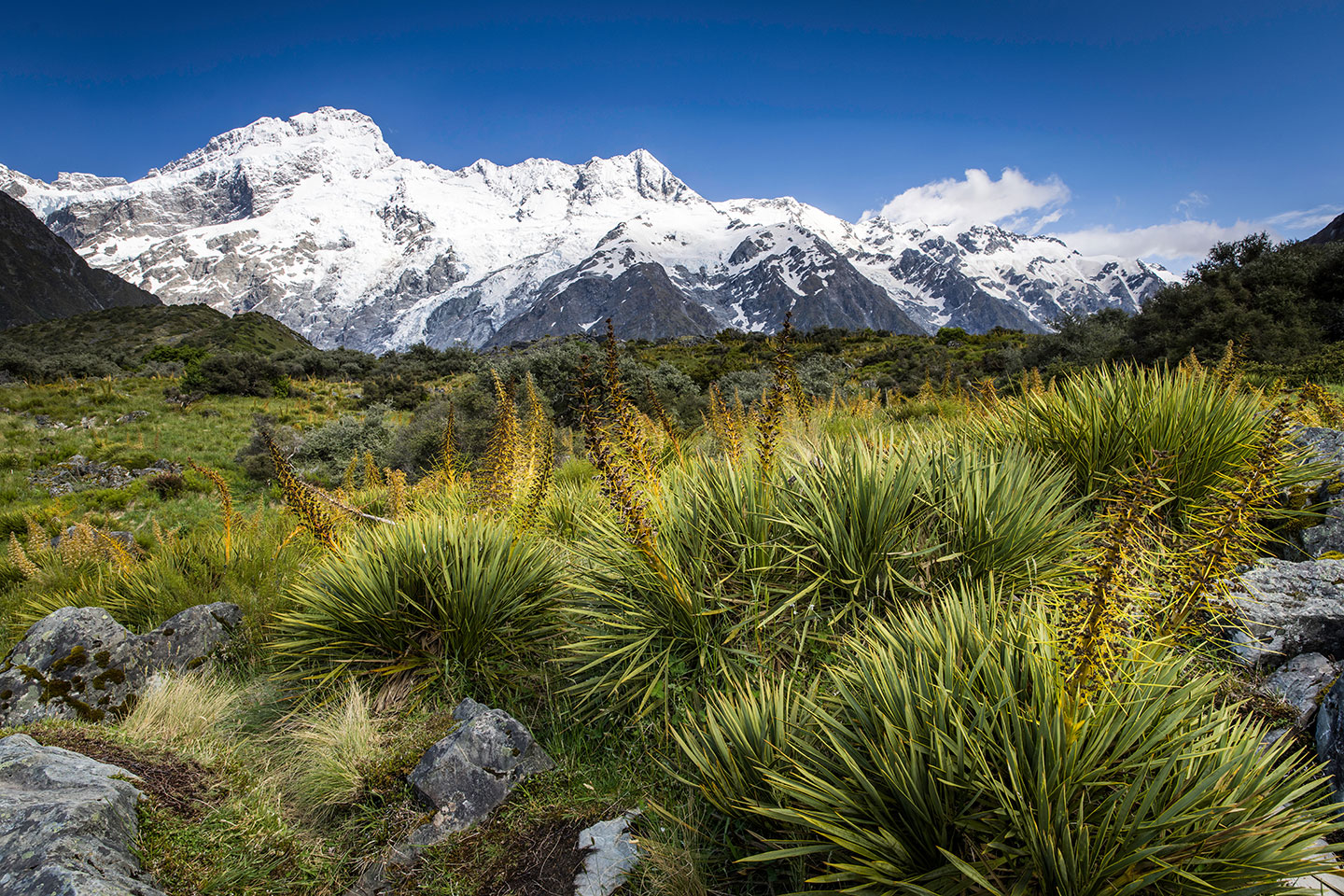
Of course, a trip to New Zealand wouldn’t be complete without a visit to its tallest mountain, Mount Aoraki, also known as Mount Cook. This massive mountain can be seen from far away and was full of snow when I got there. I started the day with an easy dawn hike to the Tasman Glacier lake where icebergs calmly float throughout the lake. As the sun slowly started to rise, the sky turned a beautiful pink color, creating such a serene morning. I then proceeded to hike up the Sealy Tarns for a view of the valley. This was no easy hike, but the views were worth the effort!
I hope these photos inspire you to visit New Zealand one day. The landscapes are so diverse and the two islands are also very different, so there’s plenty to choose from. The people here are very friendly, the roads are in great condition and it’s so easy to navigate through the country. New Zealand is also great for outdoor activities, so if you’re a nature lover and looking for a fun adventure, make sure to visit this place.
New Zealand South Island travel photography | Best places to visit in New Zealand’s South Island | Lupine flowers in full bloom in New Zealand