Kangaroo Island
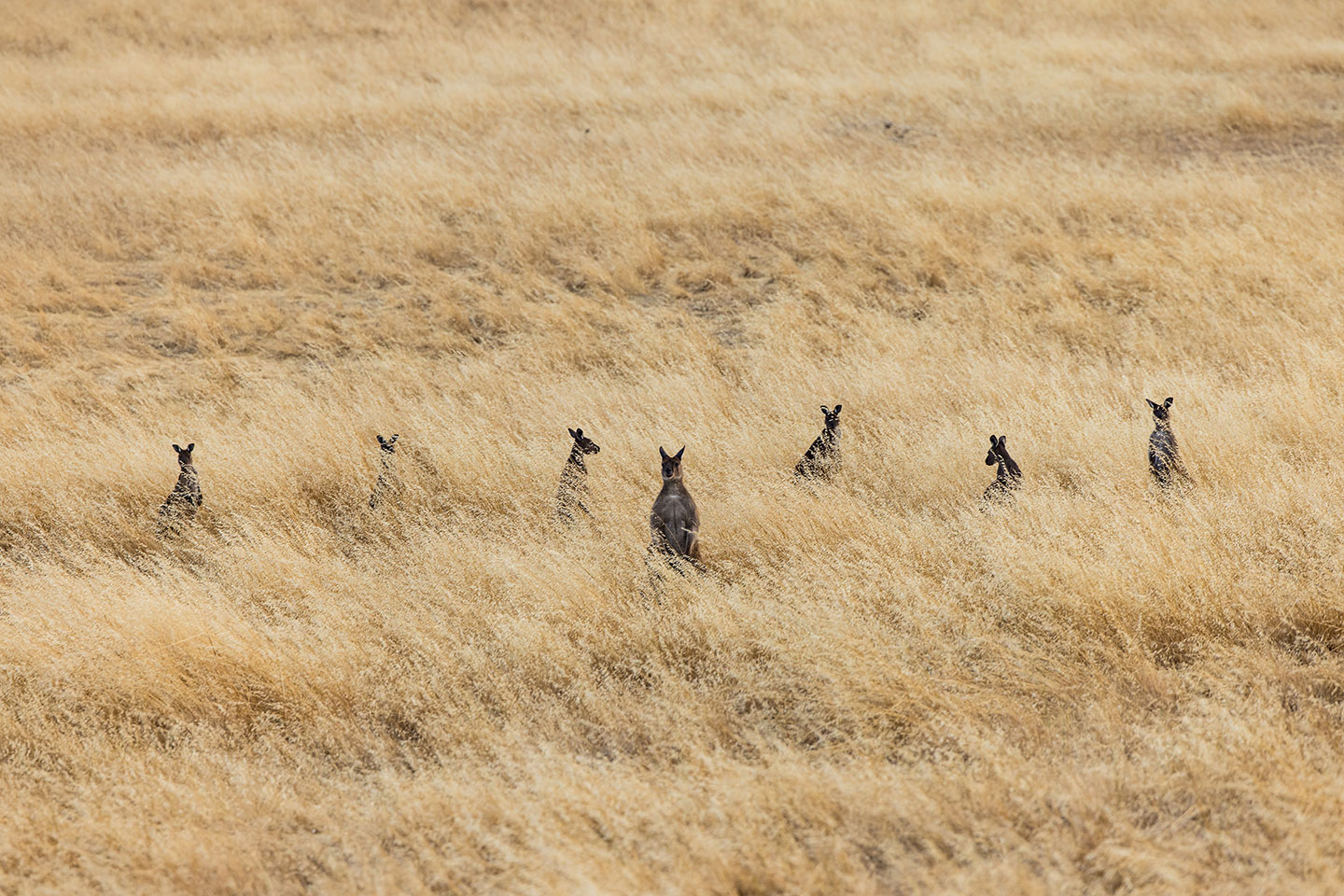
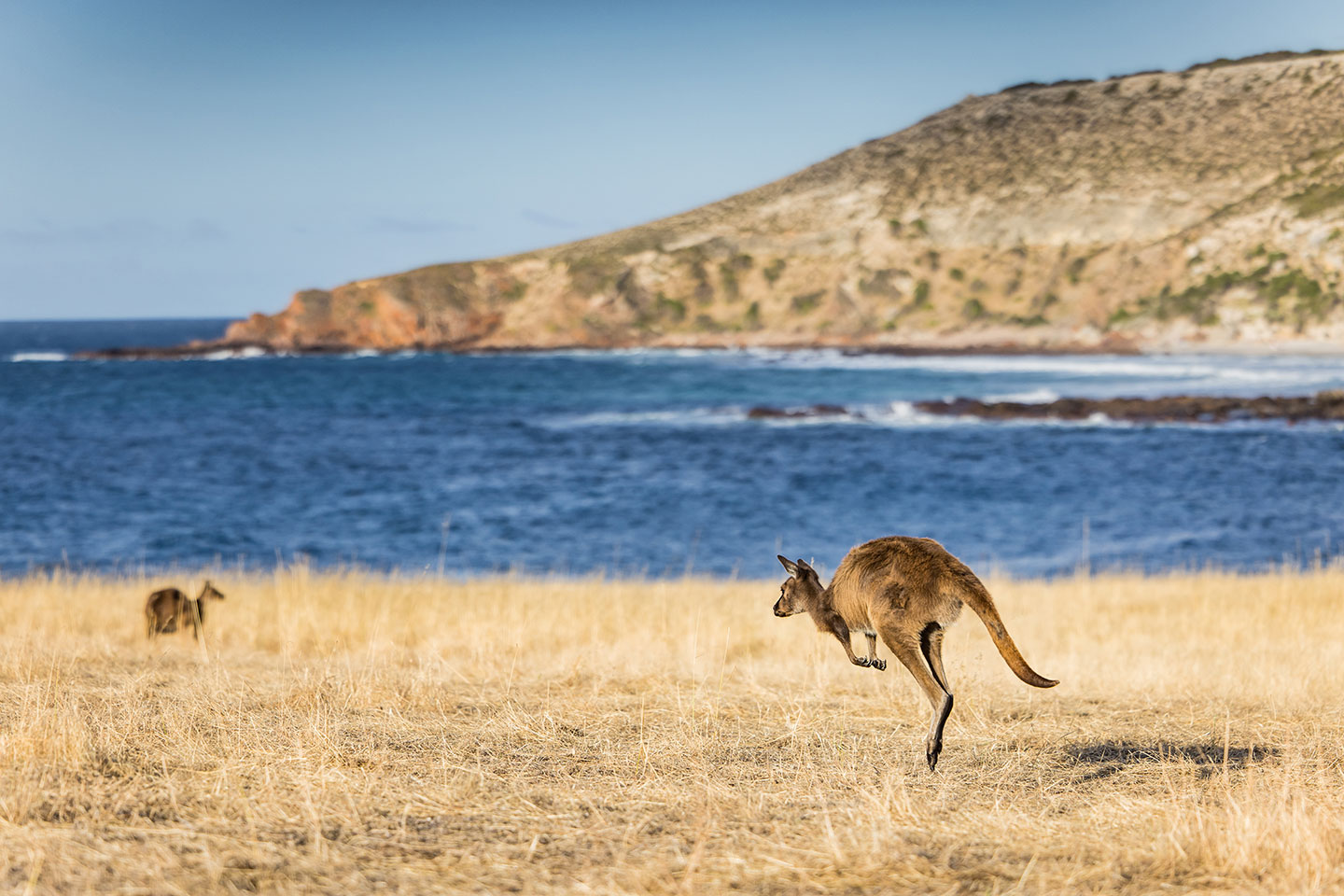
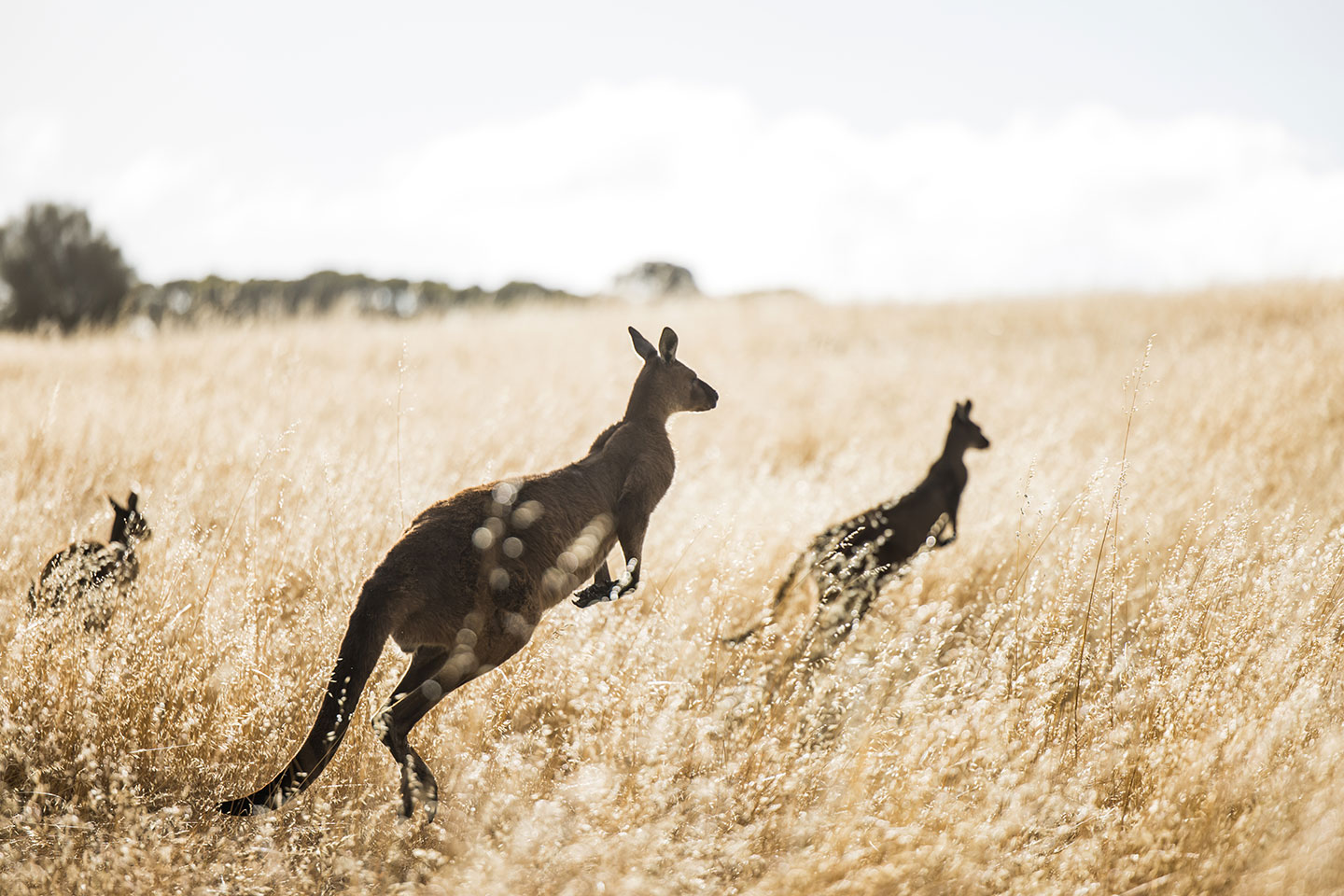
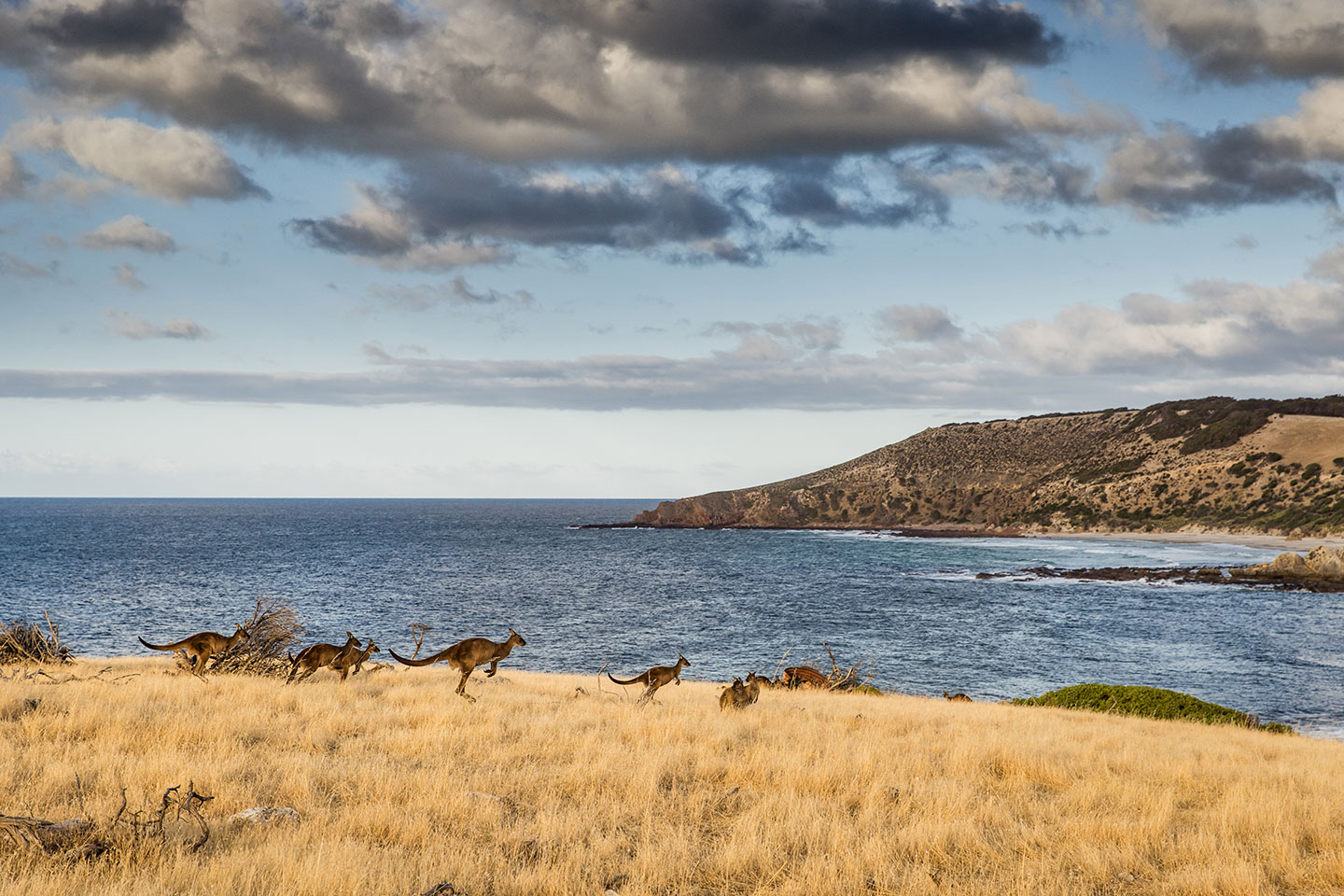
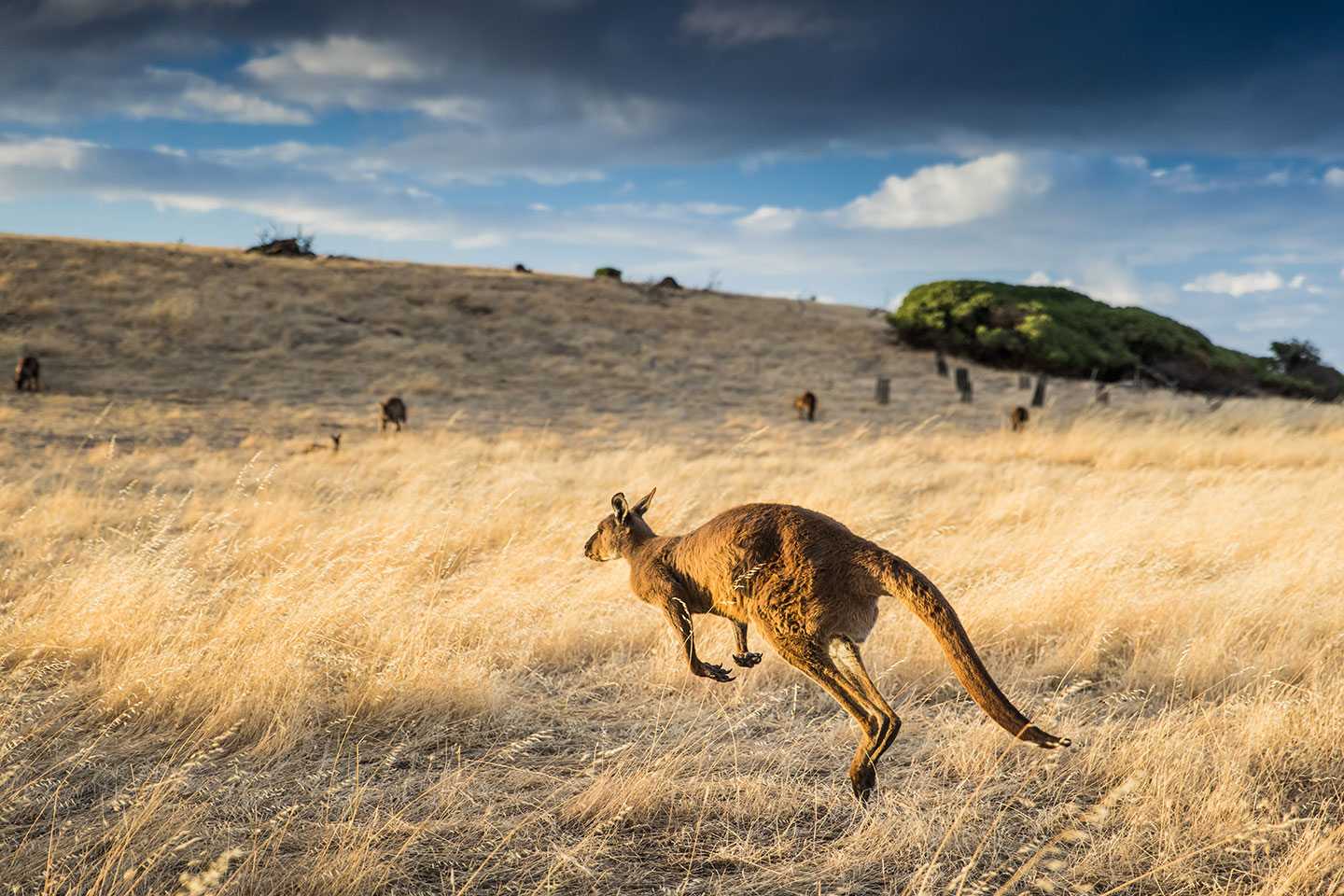
After spending several weeks exploring the unique landscapes of Tasmania, it was time to continue the adventure and discover more of Australia. My next destination was Kangaroo Island, in South Australia—where I would spend 4 days on an island that is often called Australia’s Galápagos. After only a few hours there, I could already see why. Isolated from the mainland, it really is a wildlife haven. Kangaroos and wallabies hop through open fields along the coast while seals rest lazily on sandy beaches and koalas search for eucalyptus trees for food and shelter. It’s not uncommon for kangaroos or koalas to cross the road which unfortunately leads to some of them being killed by cars. So driving through this island can be a bit stressful but I managed to avoid any casualties by driving below the speed limit and avoiding driving after sunset.
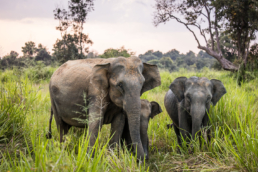
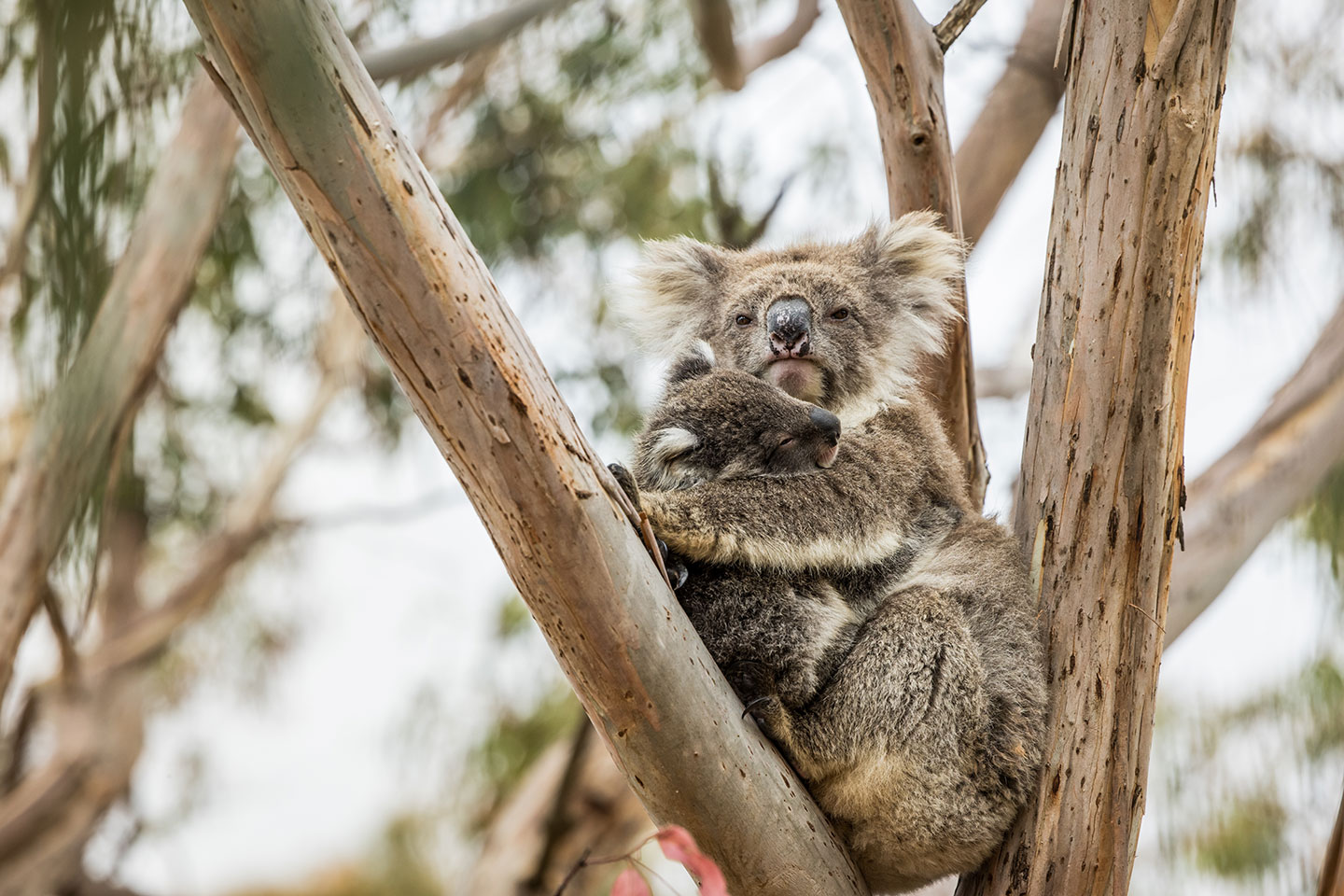
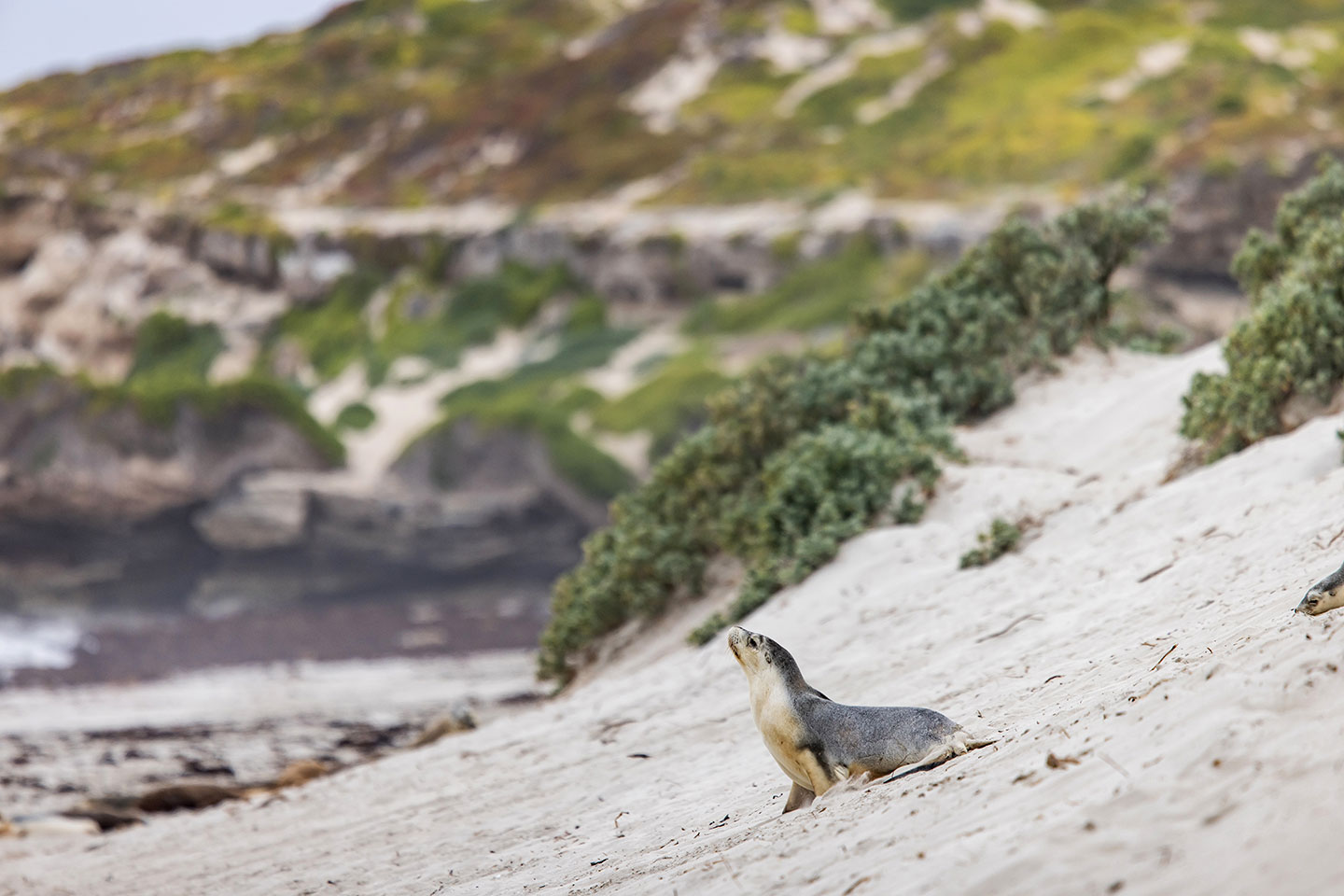
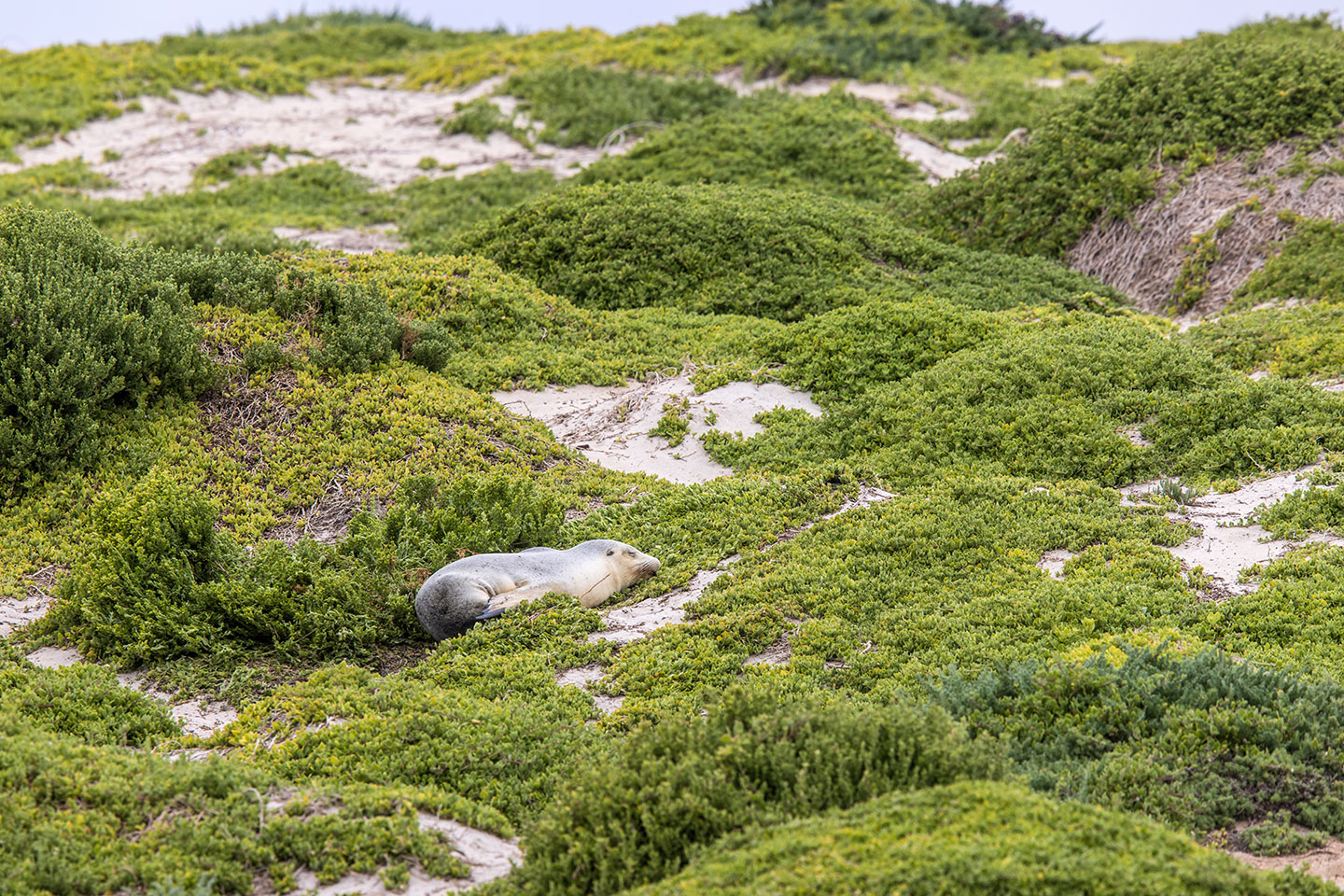
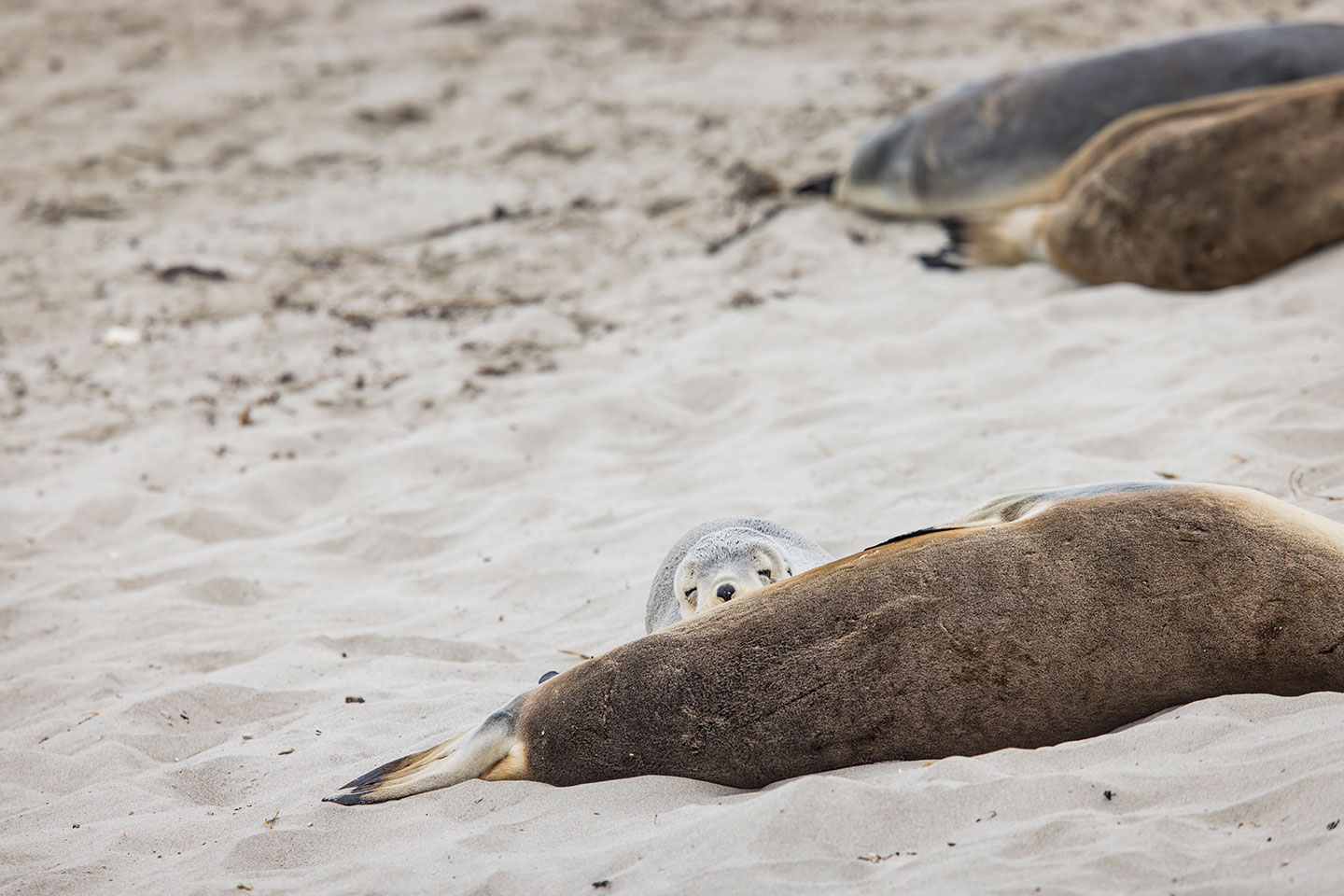
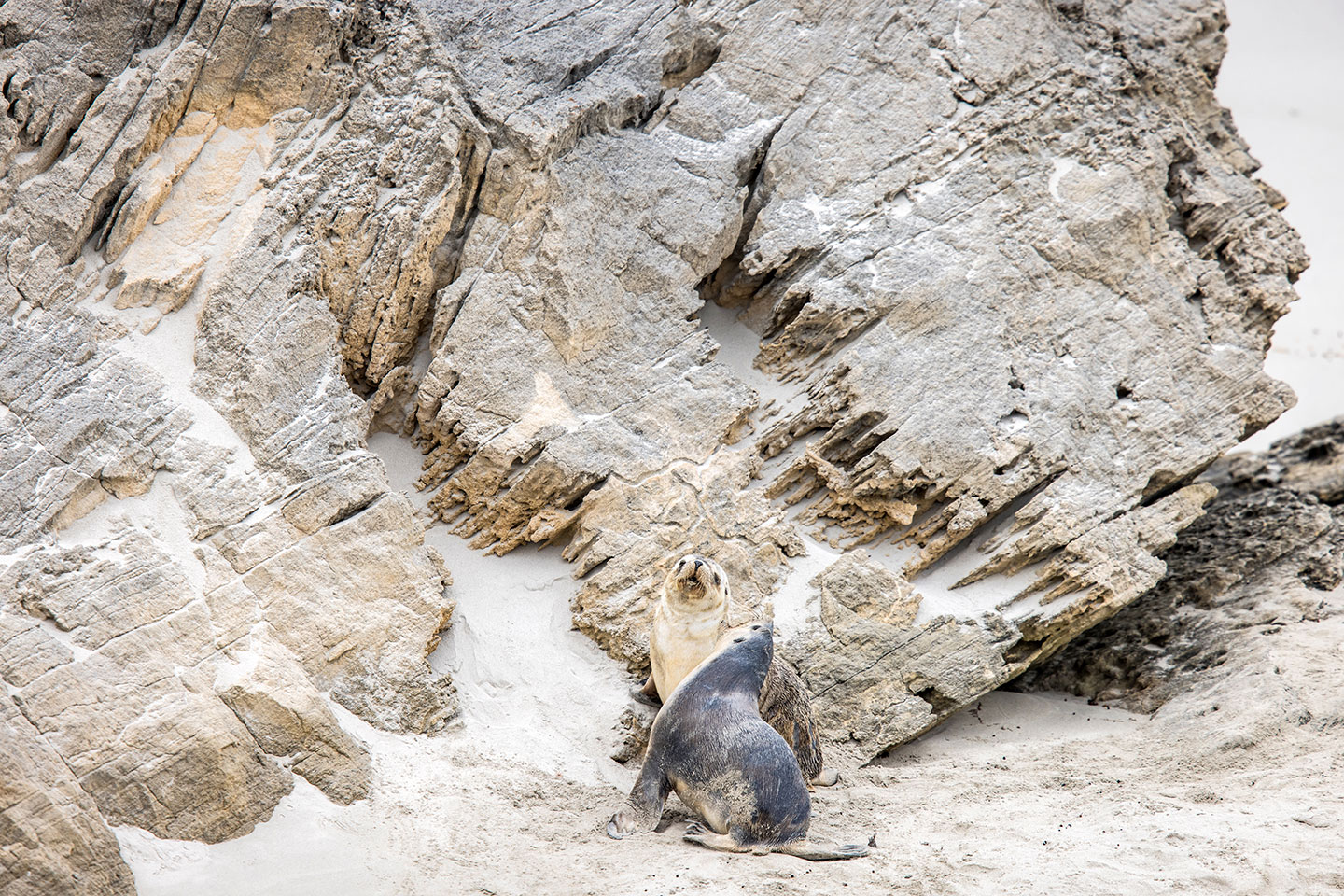
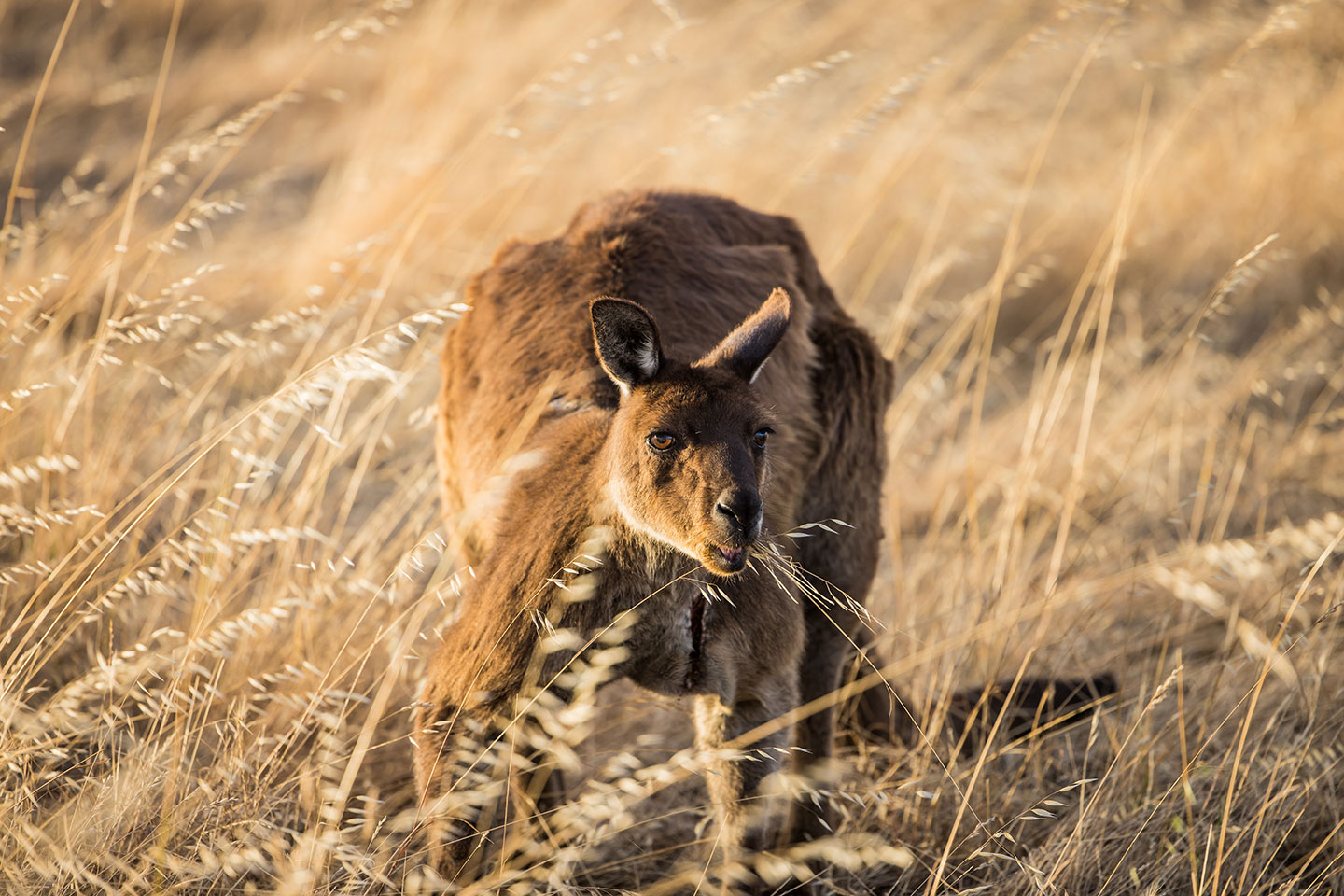
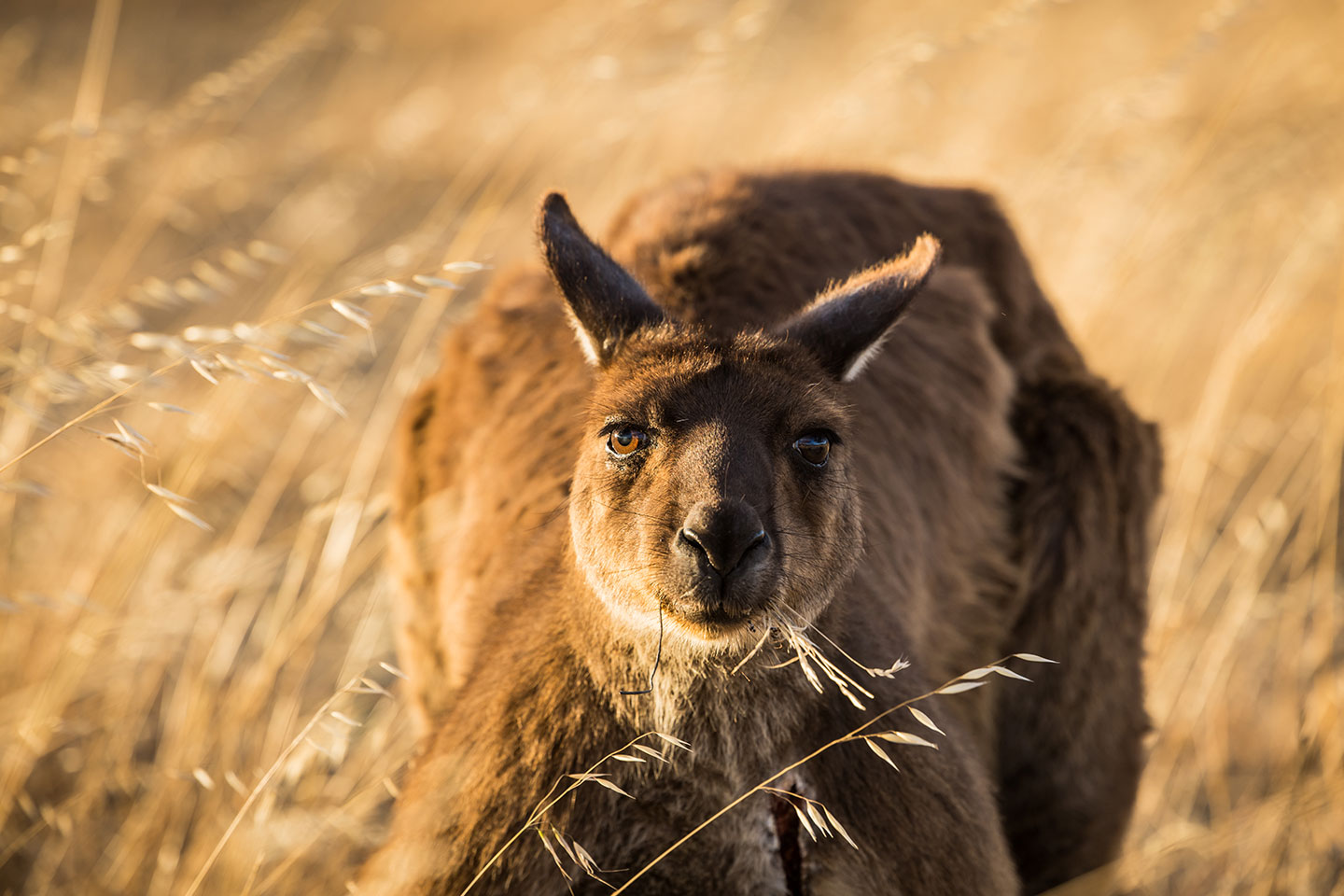
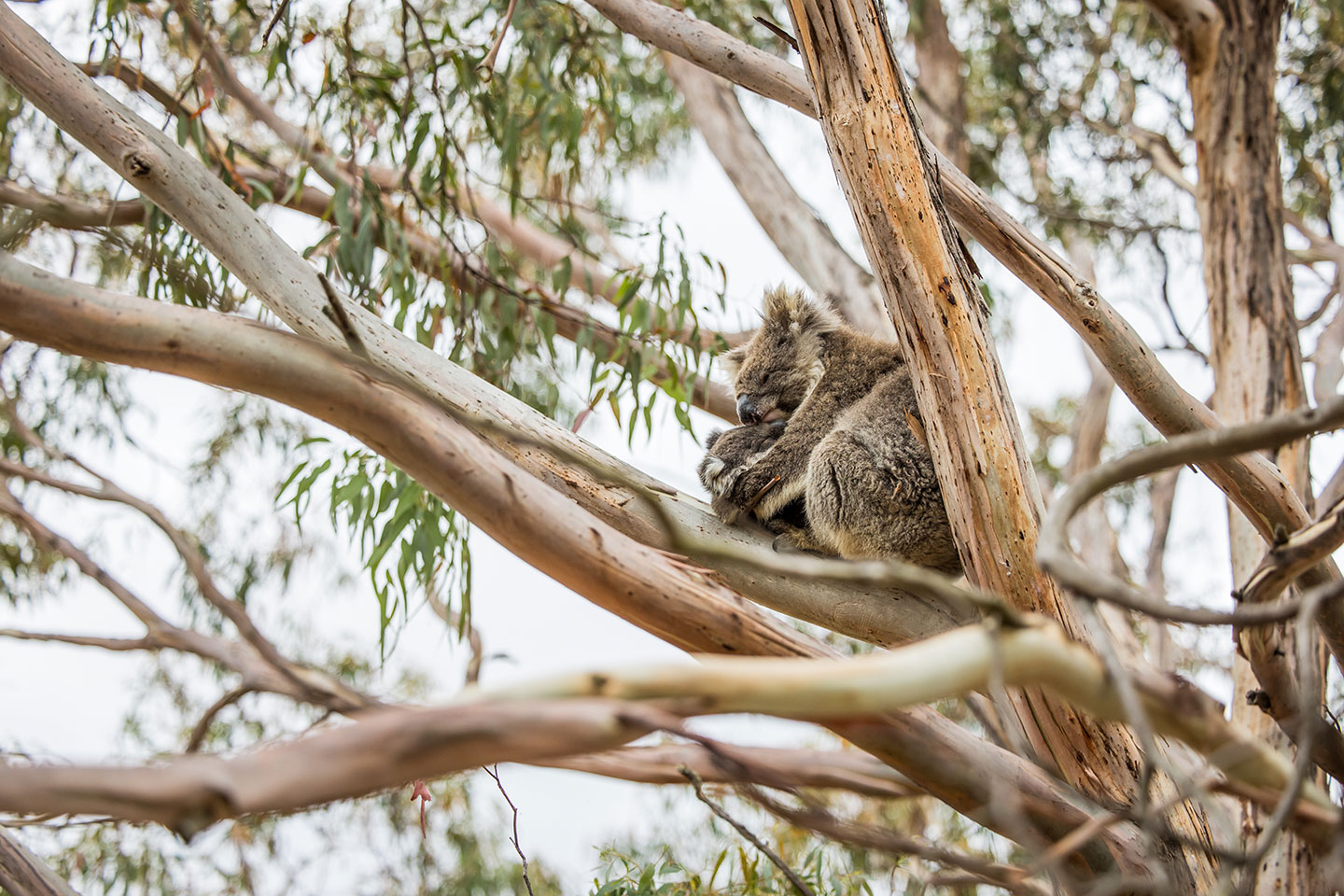
One of my favorite places to see kangaroos in their natural habitat is at Stokes Bay. They tend to come here to graze on the long grass along the beach and you can get surprisingly close without disturbing them. Kangaroo Island is also home to a protected colony of koalas. They were introduced here in the early 1900s to help protect the species while mainland populations struggled with disease. After the devastating wildfires in 2019, the population is slowly recovering. Around Cygnet River, it’s possible to spot them resting high in the eucalyptus trees, though you need lots of patience and luck to spot them. One of the highlights in the southwest of the island is Seal Bay. Here, Australian fur seals chill along the well protected shoreline, basking in the sun and occasionally moving around in the sand. Visitors can only observe them from a distance, which ensures the colony is left in peace and can thrive.
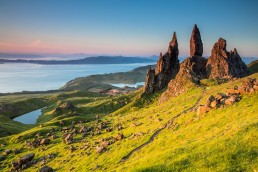
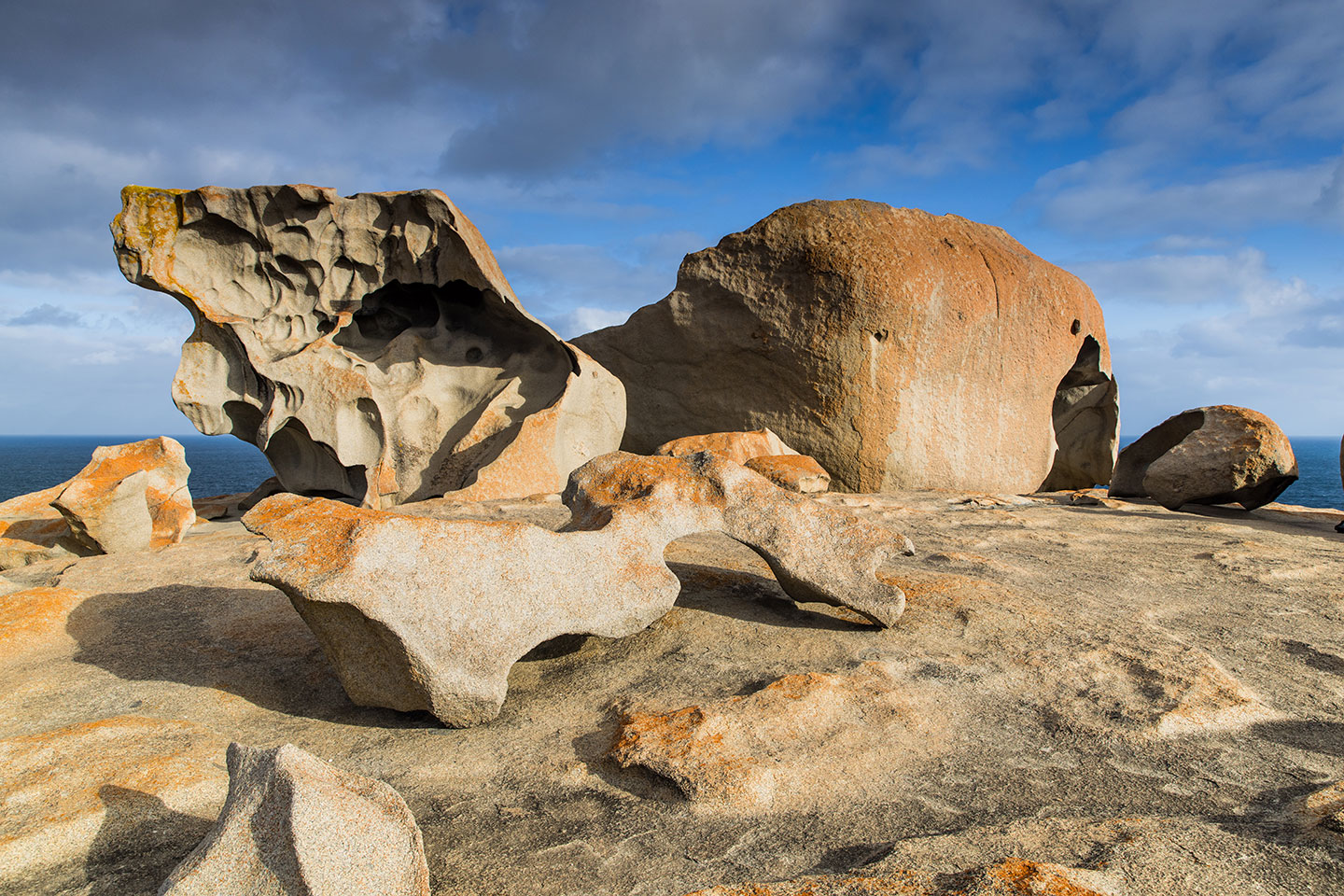
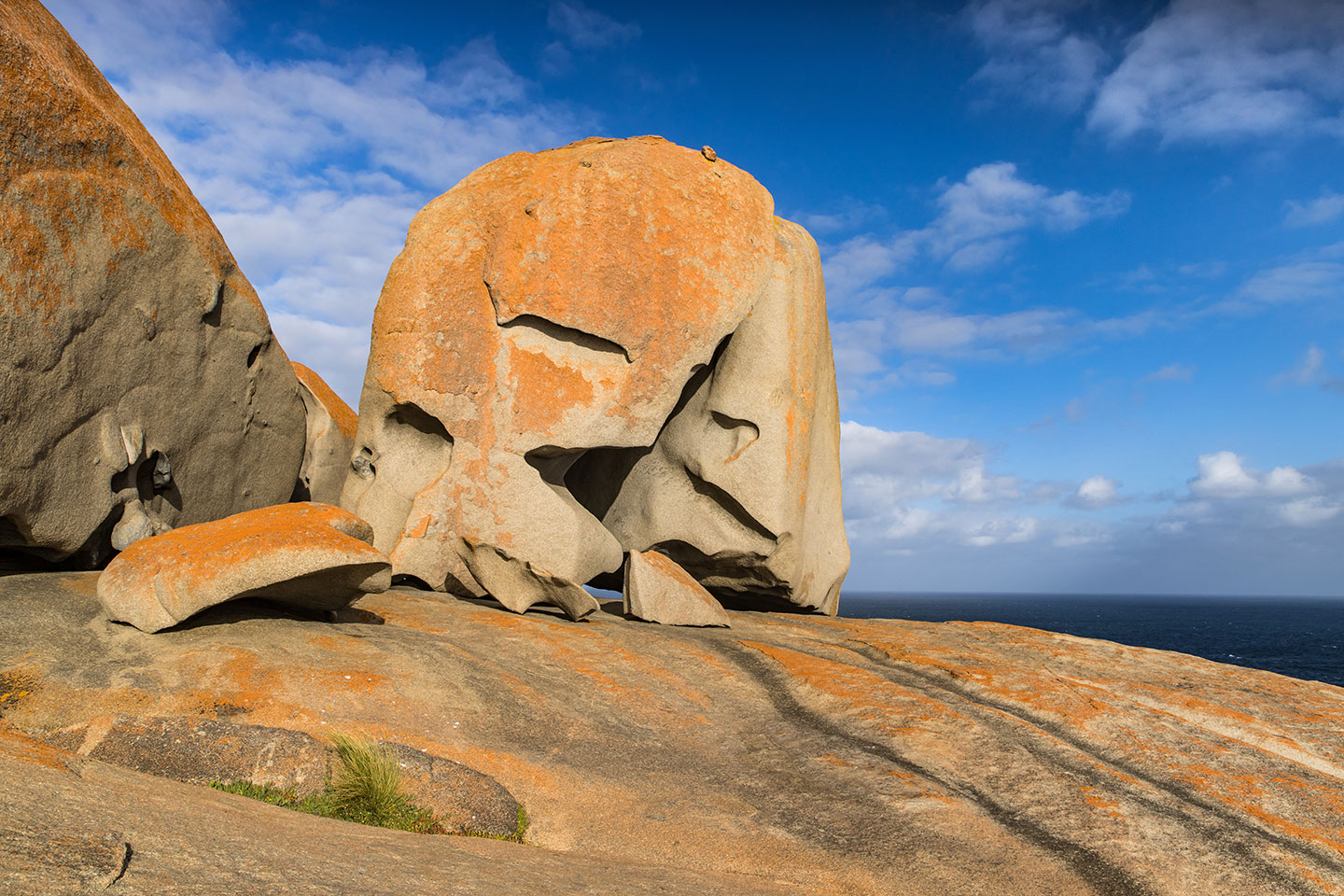
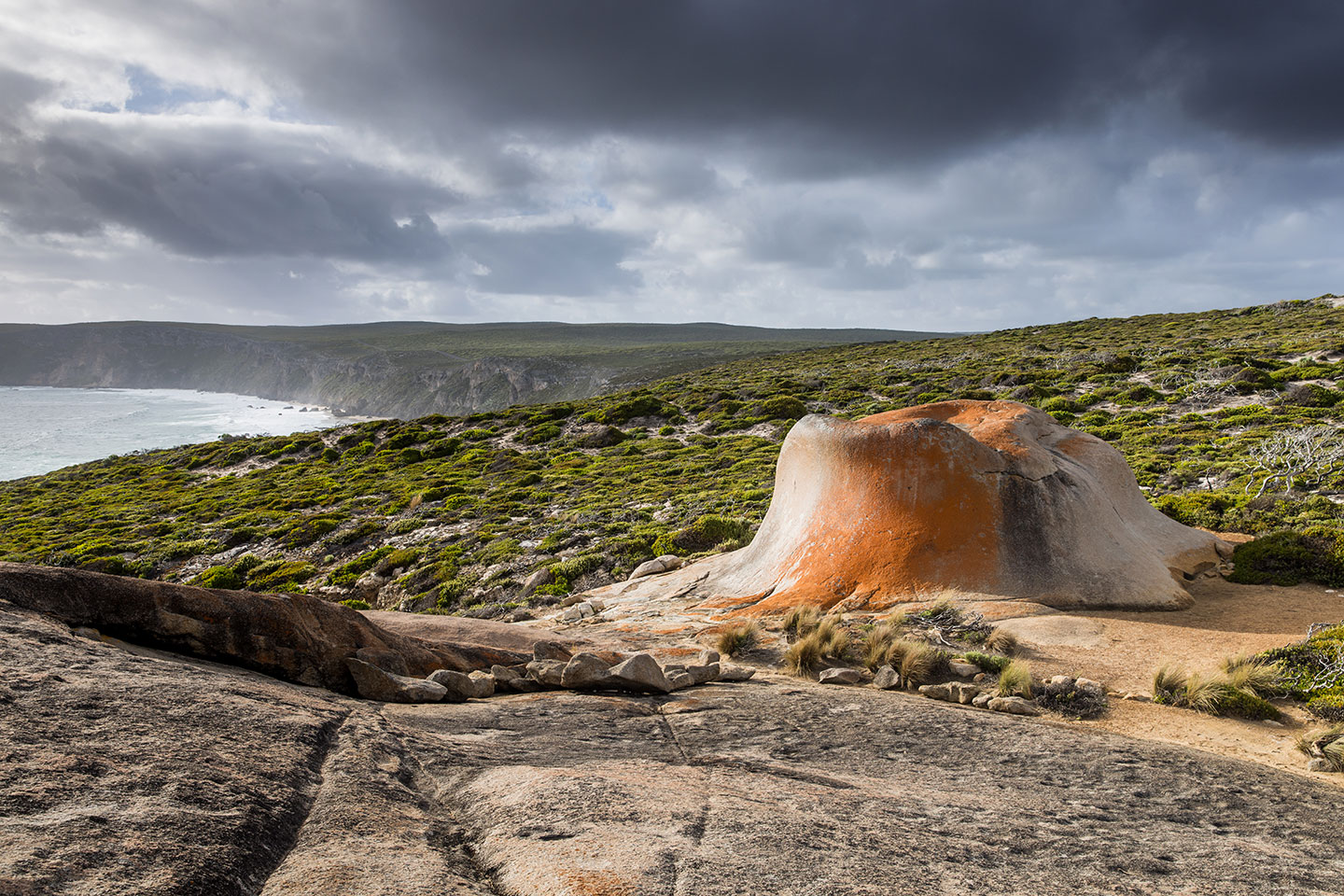
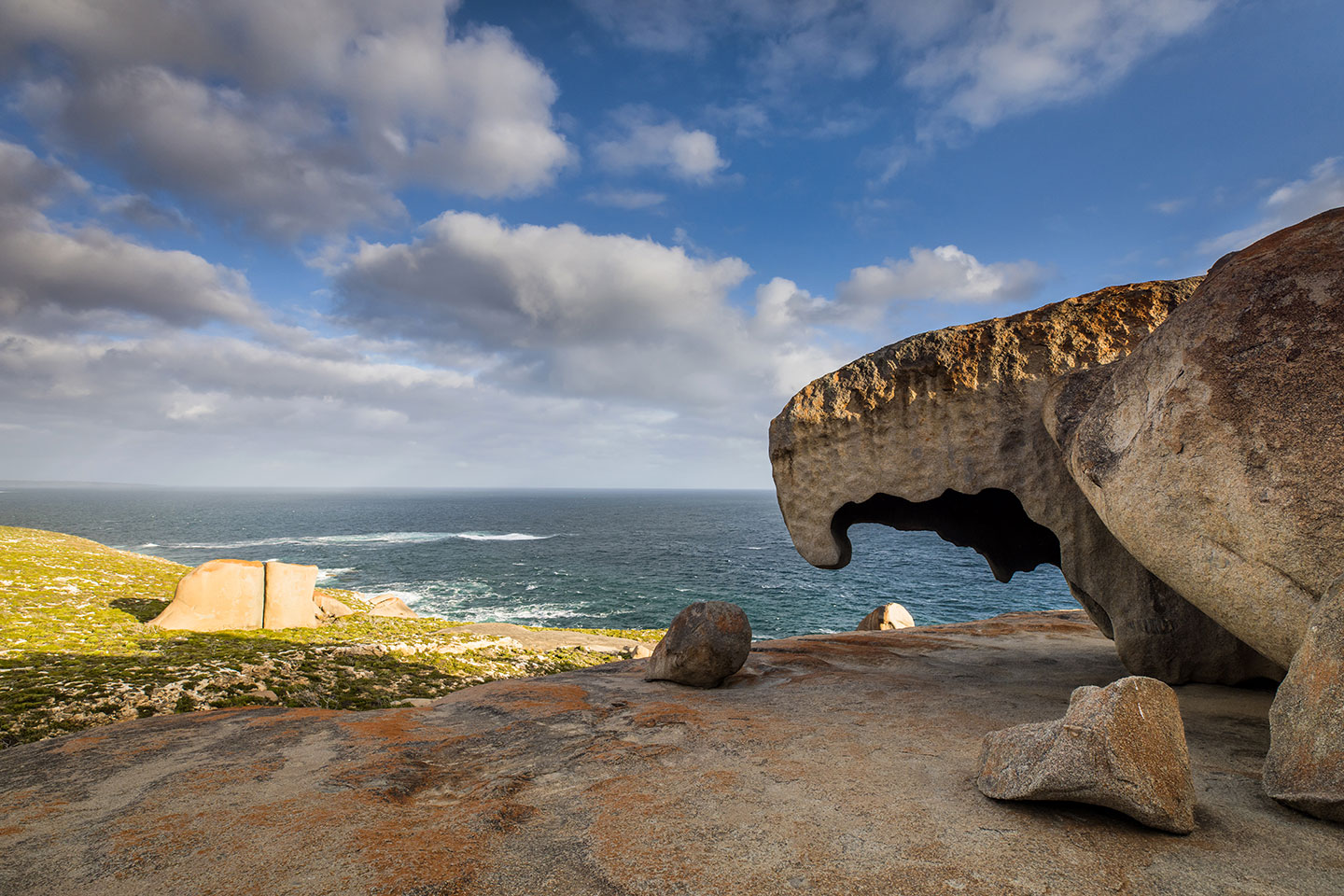
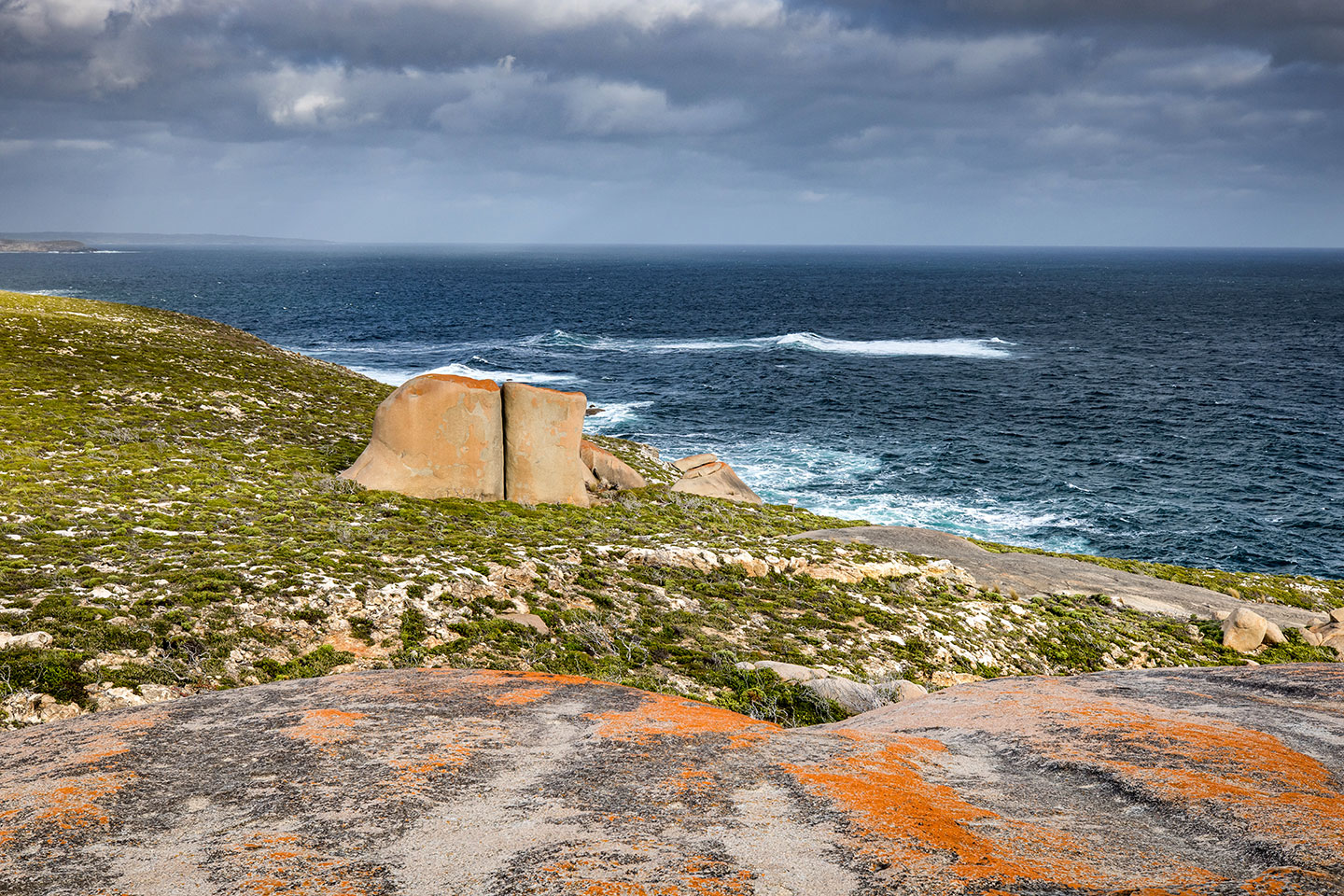
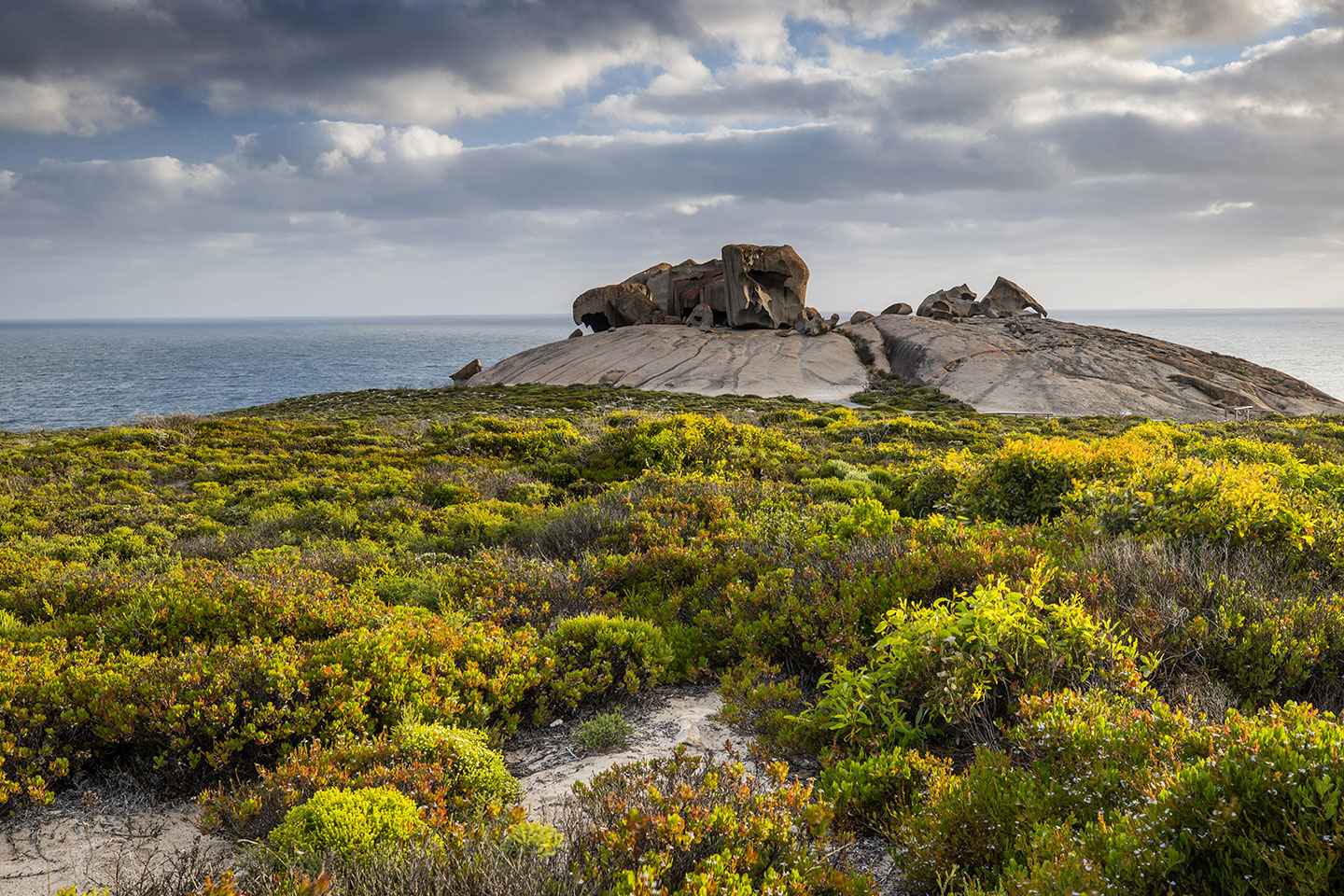
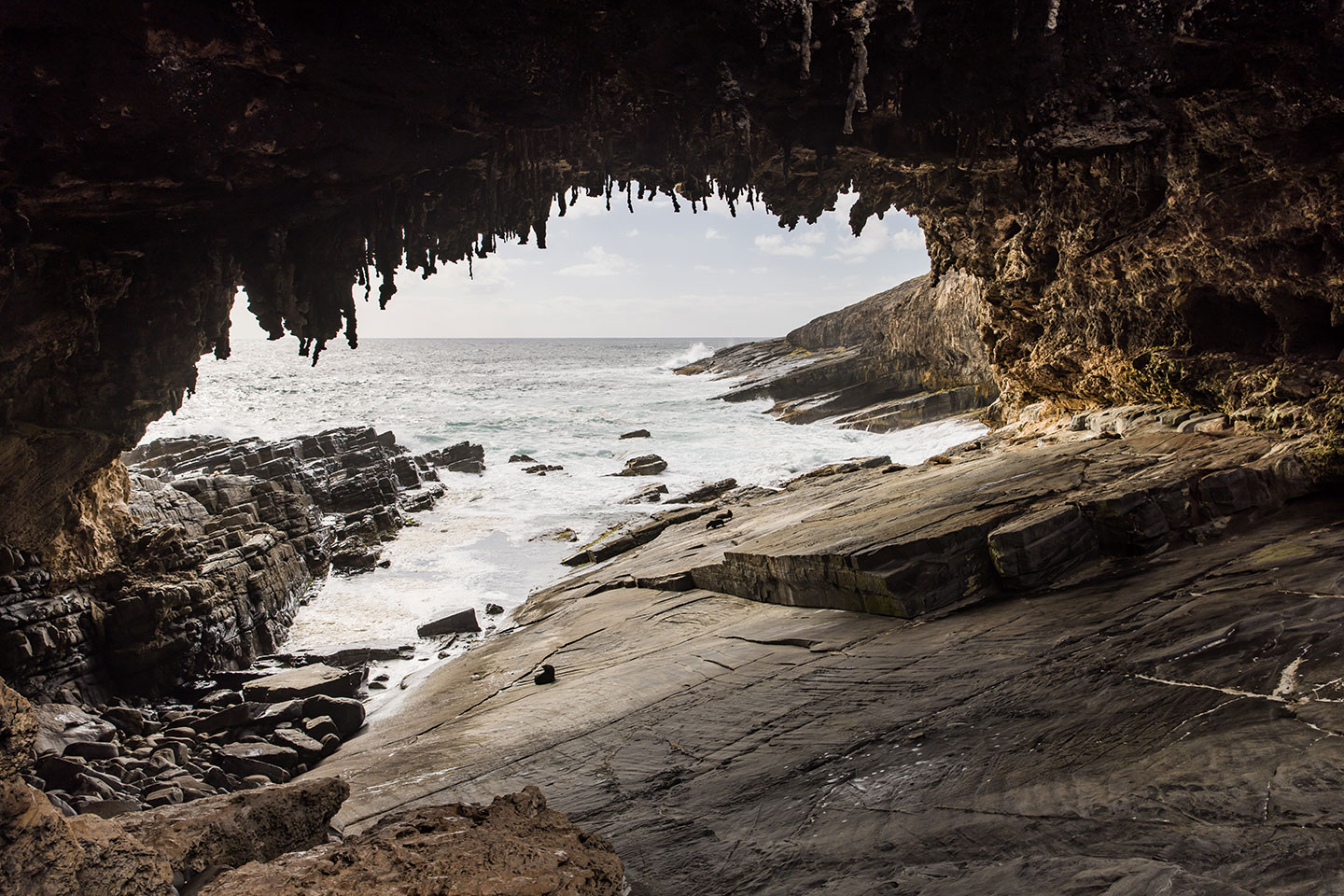
Kangaroo Island is not really known for its nature besides a couple of attractive beaches. However, one spot at the west end of the island is home to dramatic rock formations known as Admirals Arch and the Remarkable Rocks located in Flinders Chase National Park. This place can be best appreciated closer to sunset for soft lighting on the bright-orange rocks.
With Kangaroo Island behind me, the adventure continues. My next stop is New South Wales, so make sure to check out my post for more travel inspiration of Australia.
For an exact location where the photo was taken, you can save the photo or hover over it.






Travel photography Kangaroo Island | Best places to visit on Kangaroo Island, South Australia